




University of Strathclyde vs Other UK Universities: Complete 2026 Comparison
— 10 min read read

CourseOptions Team
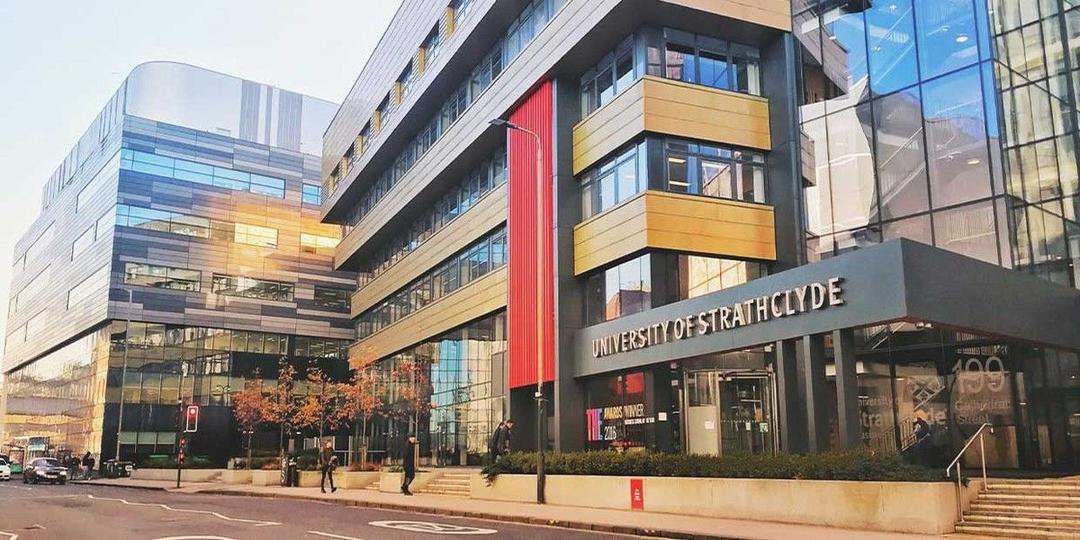
Quick Answer: University of Strathclyde ranks #325 globally (QS 2026) and excels in business and engineering with £17,900-£24,500 annual fees for international students. It offers strong industry connections, 95% graduate employability, and requires IELTS 6.0-6.5 for most programs, making it competitive with Russell Group universities for practical, career-focused education.
Introduction
The University of Strathclyde stands as one of Scotland's most innovative and industry-focused institutions, often sparking comparisons with other prestigious UK universities. For international students weighing their options in 2026, understanding how Strathclyde measures against competitors is crucial for making informed decisions about their educational investment.
This comprehensive comparison examines Strathclyde's position relative to other UK universities, covering rankings, costs, programs, and student outcomes to help you determine if this Glasgow-based institution aligns with your academic and career aspirations.
University of Strathclyde: Overview and Strengths
Academic Excellence and Rankings
The University of Strathclyde has established itself as a formidable force in UK higher education, ranking #325 globally in the QS World University Rankings 2026. While this places it outside the top 200, Strathclyde's specialized strengths in certain disciplines tell a different story. The university's Strathclyde Business School holds prestigious triple accreditation (AACSB, AMBA, EQUIS), placing it among the top 1% of business schools worldwide.
Strathclyde's engineering programs consistently rank within the top 10 in the UK, with mechanical engineering and civil engineering particularly well-regarded. The university's focus on technological innovation has earned it the title of "University of the Year" from Times Higher Education in previous years, reflecting its commitment to practical, industry-relevant education.
Student Demographics and International Appeal
With over 23,000 students from more than 100 countries, Strathclyde offers a truly international environment. International students comprise approximately 35% of the total student body, creating diverse learning communities that prepare graduates for global careers. The university's location in Glasgow, Scotland's largest city, provides access to vibrant cultural scenes and numerous internship opportunities.
Unique Selling Points
Strathclyde distinguishes itself through several key features:
- Industry Integration: Strong partnerships with companies like Rolls-Royce, BAE Systems, and Scottish Power
- Innovation Focus: Advanced manufacturing research facilities and technology transfer programs
- Entrepreneurship Support: Dedicated startup incubation programs with £2.5 million annual investment
- Professional Recognition: Programs designed with input from industry bodies and professional associations
Strathclyde vs Russell Group Universities
Academic Reputation and Rankings
When compared to Russell Group universities, Strathclyde holds its own in specific subject areas despite not being a member of this prestigious group. While universities like Imperial College London (#2 globally) and UCL (#9 globally) command higher overall rankings, Strathclyde's specialized programs often compete directly with these institutions.
For business education, Strathclyde Business School ranks higher than several Russell Group business schools in employability metrics. The school's MBA program consistently places within the global top 100, competing with programs from Edinburgh (#22 globally) and King's College London (#40 globally).
Cost Comparison
Strathclyde offers compelling value when compared to Russell Group competitors:
Annual Tuition Fees (2026/27):
- Strathclyde: £17,900-£24,500
- Imperial College: £37,900-£40,940
- UCL: £31,200-£38,000
- Edinburgh: £26,500-£34,800
- Manchester: £27,000-£47,000
The cost advantage becomes even more pronounced when considering living expenses in Glasgow versus London, where students can save £8,000-£12,000 annually on accommodation and daily expenses.
Graduate Outcomes
Strathclyde's emphasis on employability shows in its graduate statistics. With 95% of graduates employed or in further study within six months, Strathclyde outperforms many Russell Group institutions. The university's industry connections translate to higher starting salaries in certain sectors, particularly engineering and business.
Strathclyde vs Other Scottish Universities
The Scottish Landscape
Scotland hosts four universities in global rankings: Edinburgh (#22), Glasgow (#76), St. Andrews (#92), and Strathclyde (#325). Each serves different student needs and career objectives.
University of Edinburgh leads in research intensity and global prestige, attracting students seeking theoretical depth and academic careers. However, Edinburgh's admission requirements (typically IELTS 7.0+) and higher fees (£26,500-£34,800) make it less accessible for some international students.
University of Glasgow offers broader program diversity and strong research credentials across multiple disciplines. With fees ranging £20,400-£25,650, Glasgow sits between Strathclyde and Edinburgh in terms of cost.
University of St. Andrews, while highly prestigious (#92 globally), focuses primarily on undergraduate education with limited postgraduate research opportunities. Its rural location and higher living costs may not appeal to students seeking urban experiences and industry connections.
Strathclyde's Competitive Advantages
Among Scottish institutions, Strathclyde offers unique advantages:
- Industry Focus: Stronger industry partnerships than academic-focused competitors
- Practical Learning: Emphasis on applied research and real-world problem-solving
- Accessibility: Lower entry requirements (IELTS 6.0-6.5) make quality education more accessible
- Urban Location: Glasgow provides better internship and part-time work opportunities
Subject-Specific Comparisons
Business and Management
Strathclyde Business School competes directly with top UK business schools. When compared to institutions like Warwick Business School, Manchester Business School, and Imperial College Business School, Strathclyde offers:
- Triple Accreditation: Matching the credentials of top competitors
- Lower Costs: Fees 30-40% lower than London-based competitors
- Industry Integration: Stronger connections to Scottish and UK businesses
- International Exchange: Partnerships with 200+ universities worldwide
Engineering and Technology
Strathclyde's engineering programs consistently rank among the UK's best, competing with institutions like Imperial College, Cambridge, and Bath. Key differentiators include:
- Research Excellence: £180 million invested in engineering facilities since 2020
- Industry Placements: Mandatory industry experience in most engineering programs
- Innovation Centers: Access to advanced manufacturing and renewable energy research facilities
- Professional Body Recognition: Programs accredited by major engineering institutions
Computer Science and Technology
While not matching the prestige of Imperial or Cambridge in computer science, Strathclyde offers competitive programs with practical advantages:
- Industry Partnerships: Direct connections with tech companies in Scotland's growing digital sector
- Applied Research: Focus on practical applications rather than purely theoretical study
- Startup Support: Robust entrepreneurship programs for technology ventures
- Affordable Excellence: Quality education at lower costs than southern competitors
International Student Experience
Support Services
Strathclyde provides comprehensive support for international students, including:
- Pre-arrival Support: Visa guidance and accommodation assistance
- English Language Programs: Comprehensive language support services
- Cultural Integration: International student societies and cultural events
- Career Services: Dedicated international student career advisors
Entry Requirements Comparison
Strathclyde's entry requirements make it accessible while maintaining quality:
IELTS Requirements:
- Strathclyde: 6.0-6.5 overall
- Edinburgh: 7.0-7.5 overall
- Imperial: 7.0 overall
- UCL: 6.5-7.5 overall
Academic Requirements:
- Generally requires 65-75% in bachelor's degree for master's programs
- More flexible than Russell Group universities requiring 75-85%
- Subject-specific requirements vary but tend to be more achievable
Location Advantages
Glasgow offers unique benefits for international students:
- Affordable Living: 40% lower cost of living compared to London
- Cultural Diversity: Vibrant international community and cultural scene
- Transportation: Excellent connections to Edinburgh, London, and Europe
- Part-time Work: Abundant opportunities for student employment
Making Your Decision: When to Choose Strathclyde
The University of Strathclyde represents an excellent choice for students who prioritize practical education, industry connections, and value for money. It's particularly suitable if you're looking to find your perfect university that balances academic quality with career-focused outcomes.
Choose Strathclyde if you:
- Seek strong industry connections and practical learning experiences
- Want quality education at reasonable costs
- Prefer urban environments with cultural diversity
- Value high graduate employability rates
- Are interested in business, engineering, or applied sciences
Consider alternatives if you:
- Prioritize global ranking prestige above practical outcomes
- Seek primarily research-focused academic careers
- Have unlimited budget and prefer London-based institutions
- Want access to the most extensive alumni networks globally
Conclusion
The University of Strathclyde offers compelling advantages for international students seeking quality education with strong career prospects at reasonable costs. While it may not match the global prestige of Russell Group universities, its industry focus, practical approach, and excellent graduate outcomes make it a smart choice for career-oriented students. Consider your priorities carefully – prestige versus practicality, cost versus location – to determine if Strathclyde aligns with your educational and career goals.
Key Statistics
📊 University of Strathclyde ranks #325 globally in QS World University Rankings 2026, with specialized excellence in business and engineering
💰 International student fees range from £17,900-£24,500 annually, 30-40% lower than comparable London universities
🎓 95% graduate employment rate within 6 months, outperforming many higher-ranked Russell Group universities
🌍 35% of 23,000+ students are international, representing over 100 countries worldwide
🏆 Strathclyde Business School holds triple accreditation (AACSB, AMBA, EQUIS), placing it in the top 1% globally
📈 IELTS requirements of 6.0-6.5 make quality education more accessible than competitors requiring 7.0+
Frequently Asked Questions (FAQs)
How do I apply to University of Strathclyde as an international student?
International students can apply directly through the university's online portal or via UCAS for undergraduate programs. You'll need academic transcripts, English language certificates (IELTS 6.0-6.5), personal statement, and references. Master's programs typically require a bachelor's degree with 65-75% marks. The application process takes 4-6 weeks, and early applications are recommended for September 2026 intake.
What is the main difference between Strathclyde and Russell Group universities?
The key difference lies in focus and approach. Strathclyde emphasizes practical, industry-connected education with strong employability outcomes, while Russell Group universities typically focus more on research excellence and global prestige. Strathclyde offers lower fees, more accessible entry requirements, and stronger industry partnerships, whereas Russell Group universities provide higher global rankings and extensive research opportunities.
How much does it cost to study at University of Strathclyde compared to other UK universities?
Strathclyde charges £17,900-£24,500 annually for international students, significantly lower than competitors like Imperial College (£37,900-£40,940) or UCL (£31,200-£38,000). Including living costs in Glasgow versus London, students can save £15,000-£20,000 per year. This makes Strathclyde one of the most cost-effective options for quality UK education.
What are Strathclyde's strongest academic programs compared to other universities?
Strathclyde excels particularly in business and engineering. The Business School holds triple accreditation matching top global schools, while engineering programs consistently rank in the UK's top 10. The university's strength lies in practical, industry-focused education with 95% graduate employability. Compared to theoretical-focused competitors, Strathclyde offers superior industry connections and real-world application opportunities.
How does graduate employment from Strathclyde compare to other UK universities?
Strathclyde achieves 95% graduate employment within six months, outperforming many higher-ranked institutions. This success stems from strong industry partnerships, mandatory placement programs, and career-focused curriculum design. While universities like Edinburgh or UCL may have higher global prestige, Strathclyde's practical approach often leads to better immediate career outcomes and industry connections.
Is University of Strathclyde worth choosing over more prestigious UK universities?
Strathclyde is worth choosing if you prioritize practical education, industry connections, employability, and value for money over pure prestige. The university offers excellent career prospects at lower costs with accessible entry requirements. However, if you're focused on academic research careers, global prestige, or have unlimited budget, higher-ranked universities might be more suitable. Consider your specific goals and circumstances when making this decision.
Key Takeaways
✅ Strathclyde offers excellent value with fees 30-40% lower than London competitors while maintaining quality education standards
✅ The university excels in practical, industry-focused programs with 95% graduate employment rate outperforming many Russell Group institutions
✅ Business School triple accreditation and top-10 UK engineering rankings demonstrate subject-specific excellence despite lower overall ranking
✅ More accessible entry requirements (IELTS 6.0-6.5) and flexible admission criteria make quality education available to more international students
✅ Glasgow location provides urban advantages, cultural diversity, and significant cost savings compared to London-based universities
✅ Strong industry partnerships and mandatory placements create superior career networking and employment opportunities