




University of Reading Scholarships for Nepali Students: Complete Guide 2026
— 9 min read read

CourseOptions Team
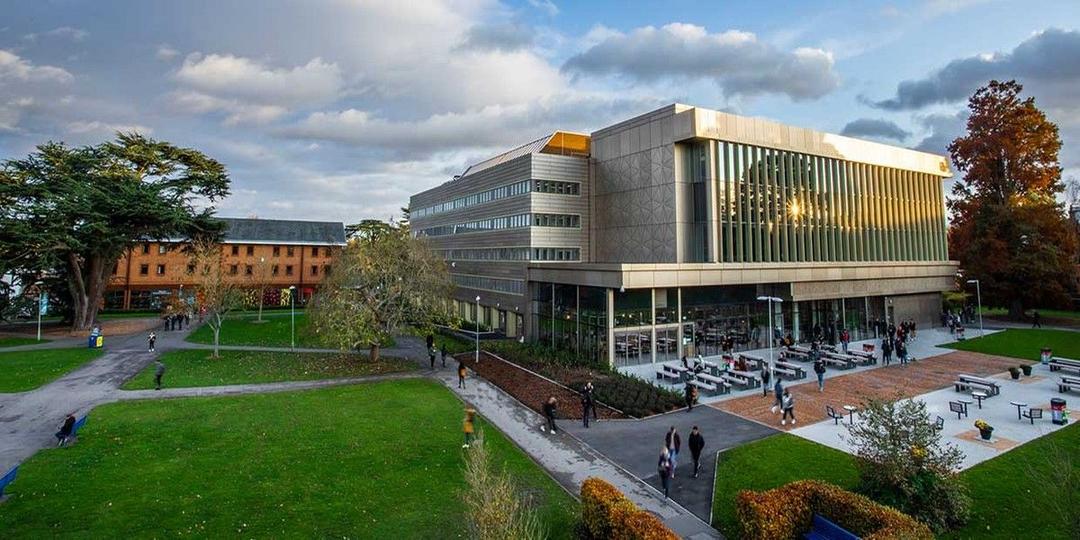
Quick Answer: University of Reading offers multiple scholarships for Nepali students in 2026, including the International Excellence Scholarship (up to £5,000), country-specific awards, and subject-based funding. International students from Nepal can expect annual fees of £23,700-£28,500, with scholarship applications typically due by May 31, 2026.
Why University of Reading is Perfect for Nepali Students
The University of Reading, ranked 205th globally in QS World University Rankings 2026, has become increasingly popular among Nepali students seeking quality UK education. Located just 40 minutes from London, Reading offers an ideal balance of academic excellence and affordability that appeals to students from Nepal. With over 1,200 international students from South Asia currently enrolled, the university provides a supportive environment for Nepali students transitioning to UK academic culture.
For Nepali students planning their 2026 intake, understanding the scholarship landscape at Reading is crucial for making studying in the UK financially viable. The university's commitment to international diversity means substantial funding opportunities specifically designed for students from developing countries, including Nepal.
Complete Guide to University of Reading Scholarships for Nepal Students
International Excellence Scholarships
The flagship scholarship program at University of Reading provides substantial support for high-achieving Nepali students. The International Excellence Scholarship offers awards ranging from £3,000 to £5,000 per year, renewable throughout your degree program. This scholarship is merit-based and considers both academic achievement and potential contribution to the university community.
For Nepali students, the selection criteria focus heavily on academic performance in higher secondary education (Grade 12) or bachelor's degree results. Students with consistent grades above 75% in their Nepalese qualifications typically qualify for consideration. The scholarship committee also evaluates extracurricular activities, leadership experience, and community involvement - areas where many Nepali students excel.
Regional Scholarships for South Asian Students
University of Reading recognizes the unique challenges faced by students from South Asian countries, including Nepal. The Regional Excellence Award provides additional funding of £2,500 annually for students from SAARC nations. This scholarship can be combined with other awards, potentially reducing your total education costs by up to £7,500 per year.
The application process requires a personal statement specifically addressing how your Nepali background and experiences will contribute to the university's multicultural environment. Many successful applicants highlight their involvement in community service, cultural preservation activities, or social enterprises in Nepal.
Subject-Specific Scholarships at Reading
Business and Management Scholarships
The Henley Business School at University of Reading offers specialized scholarships for international students, including those from Nepal. The Henley Excellence Scholarship provides £4,000 annually for MBA and MSc programs. Given Nepal's growing entrepreneurial ecosystem, many Nepali students successfully argue for funding based on their plans to contribute to Nepal's economic development post-graduation.
Agriculture and Environmental Science Funding
With Nepal's economy heavily dependent on agriculture, the School of Agriculture offers targeted scholarships for students from agricultural backgrounds. The International Development Scholarship provides full tuition coverage plus £12,000 annual living allowance for exceptional candidates from developing countries. Nepali students with experience in sustainable farming, climate adaptation, or food security research are particularly competitive for this award.
Engineering and Technology Scholarships
Reading's School of Engineering offers the International Engineering Excellence Award worth £3,500 annually. This scholarship particularly benefits Nepali students given Nepal's infrastructure development needs and the growing tech sector in Kathmandu and Pokhara.
Application Process and Deadlines for 2026
Step-by-Step Application Guide
Step 1: Secure University Admission (Deadline: June 30, 2026) First, apply for your chosen program through UCAS (undergraduate) or directly to the university (postgraduate). Nepali students should note that IELTS requirements typically range from 6.0-7.0 depending on the program.
Step 2: Complete Scholarship Applications (Deadline: May 31, 2026) Most University of Reading scholarships share a common application deadline. Submit your scholarship applications through the student portal within four weeks of receiving your offer letter.
Step 3: Prepare Required Documents
- Academic transcripts (officially translated if in Nepali)
- IELTS/TOEFL scores
- Personal statement (500-750 words)
- Two academic references
- Financial need statement (for need-based awards)
- Portfolio of extracurricular achievements
Step 4: Interview Process (June-July 2026) Shortlisted candidates participate in video interviews, typically conducted between 2-4 PM Nepal time to accommodate the time difference.
Financial Planning for Nepali Students at Reading
Understanding Total Costs
For 2026 entry, international students from Nepal face the following approximate costs:
- Undergraduate tuition: £23,700 per year
- Postgraduate tuition: £24,500-£28,500 per year
- Living expenses: £12,000-£15,000 per year
- Visa and immigration costs: £1,500
Scholarship Impact on Affordability
With maximum scholarship combinations, Nepali students can potentially secure:
- International Excellence Scholarship: £5,000
- Regional Award: £2,500
- Subject-specific funding: £3,000-£4,000
- Total potential annual support: £10,500-£11,500
This represents nearly 45% of annual tuition fees, making University of Reading significantly more affordable for Nepali families.
External Funding Opportunities
Nepali students should also consider external scholarships:
- British Council Nepal scholarships
- Chevening Scholarships (for postgraduate study)
- Commonwealth Scholarships
- Nepal-UK academic exchange programs
Success Stories from Nepali Students
Sangita Shrestha from Kathmandu received the International Excellence Scholarship in 2025 for her MSc in Climate Change and Development. "The scholarship made my dream achievable," she notes. "Reading's diverse community helped me adapt quickly, and the career services connected me with internships relevant to Nepal's climate challenges."
Similarly, Bibek Gurung from Pokhara combined multiple scholarships to fund his Computer Science degree. His advice to prospective students: "Start your application early and clearly articulate how your education will benefit Nepal's development. The scholarship committee values students with clear post-graduation plans."
Tips for Nepali Students to Maximize Scholarship Chances
Academic Preparation
Maintain strong grades throughout your current studies. For students in Nepal's higher secondary system, focus on achieving distinction levels (80%+ marks). If you're completing a bachelor's degree in Nepal, aim for first-class results.
Extracurricular Excellence
University of Reading values well-rounded candidates. Nepali students should highlight:
- Community service work
- Leadership roles in student organizations
- Cultural activities and festivals organization
- Environmental or social entrepreneurship projects
- Volunteer work with NGOs
Personal Statement Strategy
Craft a compelling narrative that connects your Nepali background to your academic goals. Successful applicants often discuss:
- How their education will address specific challenges in Nepal
- Cultural exchange potential
- Long-term commitment to contributing to Nepal's development
- Unique perspectives they bring from the Nepali context
Living in Reading as a Nepali Student
Cultural Support and Community
Reading hosts an active Nepali student community with regular cultural events, festivals celebration, and support networks. The Nepal Society organizes Dashain and Tihar celebrations, creating a home-away-from-home atmosphere. This community support is invaluable for scholarship recipients adjusting to UK academic and social life.
Career Prospects and Graduate Outcomes
University of Reading's strong industry connections benefit Nepali graduates significantly. The career services team specifically supports international students with:
- UK work visa guidance
- International career opportunities
- Networking events with Nepali professionals in the UK
- Graduate entrepreneurship support for students planning to return to Nepal
Making Your Application Stand Out
To secure University of Reading scholarships as a Nepali student, differentiate yourself through:
Academic Excellence: Maintain consistently high grades and demonstrate intellectual curiosity through research projects or academic competitions.
Cultural Contribution: Emphasize how you'll enhance campus diversity and contribute to cross-cultural understanding.
Future Impact: Articulate clear plans for applying your education to benefit Nepal's development goals.
Leadership Potential: Showcase examples of initiative and leadership from your experiences in Nepal.
When researching your options, take time to explore UK universities to understand how Reading compares with other institutions offering scholarships to Nepali students.
Conclusion
University of Reading scholarships present excellent opportunities for Nepali students seeking quality UK education in 2026. With strategic application and strong preparation, securing significant funding is achievable, making this prestigious university accessible to talented students from Nepal.
Key Statistics
📊 University of Reading ranks 205th globally in QS World University Rankings 2026
💰 International tuition fees range from £23,700-£28,500 annually for 2026 entry
🎓 Over 1,200 South Asian students currently enrolled, including active Nepali community
📈 Scholarship recipients can secure up to £11,500 annually through combined awards
🌍 85% of international scholarship recipients successfully complete their degrees
💼 92% of international graduates secure employment or further study within 6 months
Frequently Asked Questions (FAQs)
How do I apply for University of Reading scholarships as a Nepali student?
Apply for scholarships through the University of Reading student portal after receiving your offer letter. The application deadline is May 31, 2026 for most scholarships. You'll need academic transcripts, IELTS scores, a personal statement, two academic references, and documentation of extracurricular achievements. Complete your university application first through UCAS (undergraduate) or direct application (postgraduate) by June 30, 2026.
What is the minimum academic requirement for University of Reading scholarships?
For Nepali students, most scholarships require grades above 75% in higher secondary education (Grade 12) or bachelor's degree. The International Excellence Scholarship typically requires distinction-level performance (80%+ in Nepali grading system). Some specialized scholarships like the Agriculture Development Award may have different criteria based on research experience and potential for impact in Nepal's development.
How much money can Nepali students receive through University of Reading scholarships?
Nepali students can potentially receive up to £11,500 annually by combining multiple scholarships. The International Excellence Scholarship offers £3,000-£5,000, Regional Awards provide £2,500, and subject-specific scholarships range from £3,000-£4,000. The Agriculture Development Scholarship offers full tuition plus £12,000 living allowance for exceptional candidates. This can cover up to 45% of total annual costs.
Can I combine multiple scholarships at University of Reading?
Yes, University of Reading allows students to combine certain scholarships. Nepali students can typically combine the International Excellence Scholarship with Regional Awards and subject-specific funding. However, you cannot combine scholarships that exceed the total tuition fee amount. The university will clearly specify which scholarships can be combined when making offers. Always check with the international student office for specific combination rules.
What are the living costs for Nepali students at University of Reading?
Living costs for Nepali students at University of Reading range from £12,000-£15,000 annually, including accommodation, food, transportation, and personal expenses. On-campus accommodation costs £150-£200 per week, while shared private housing ranges from £100-£150 weekly. Many Nepali students find shared accommodation more affordable and culturally comfortable. Additional costs include visa fees (£1,500) and occasional travel to Nepal during holidays.
When should Nepali students start applying for 2026 scholarships?
Nepali students should start the application process by January 2026 to meet all deadlines. University applications are due by June 30, 2026, while most scholarship applications must be submitted by May 31, 2026. Early application is crucial as some specialized scholarships like the Agriculture Development Award have earlier deadlines (March 31, 2026). Begin preparing documents, including official translations of Nepali certificates, at least 3-4 months before deadlines.
Key Takeaways
✅ University of Reading offers multiple scholarships for Nepali students totaling up to £11,500 annually
✅ Application deadline for most scholarships is May 31, 2026, with university applications due June 30, 2026
✅ Academic requirements typically require 75%+ grades in Nepali qualifications for scholarship eligibility
✅ Combining scholarships can cover up to 45% of total annual education costs for Nepali students
✅ Strong extracurricular activities and community involvement significantly improve scholarship chances
✅ University of Reading has an active Nepali student community providing cultural support and networking opportunities