




University of Sheffield vs University of Leeds: Which is Better for International Students 2026?
— 10 min read read

CourseOptions Team
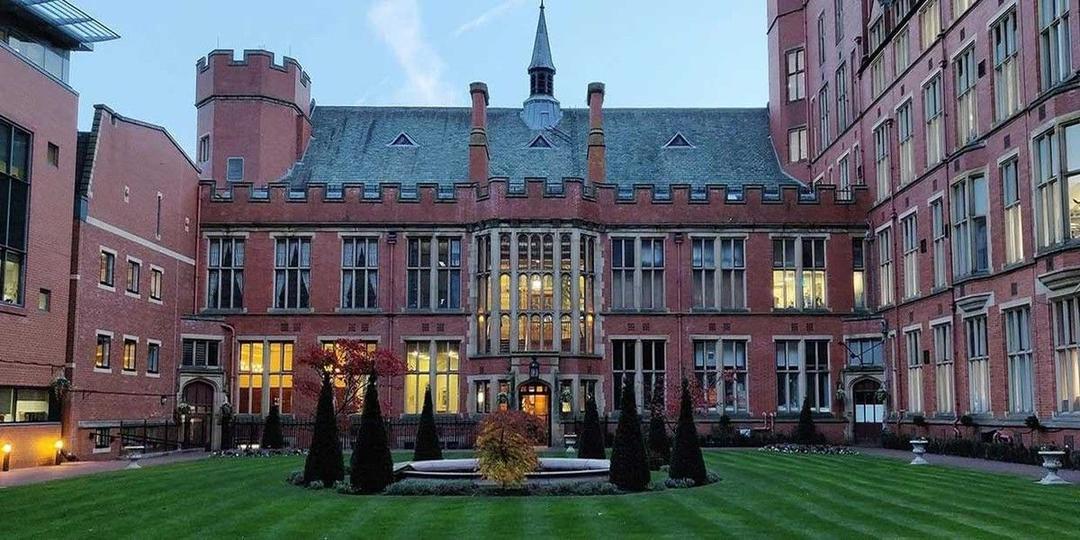
Quick Answer: Both Sheffield and Leeds are prestigious Russell Group universities offering excellent education for international students. Sheffield typically offers a more compact campus experience with strong engineering programs, while Leeds provides a larger urban environment with broader course options and vibrant nightlife.
Choosing between the University of Sheffield and University of Leeds is a common dilemma for international students considering top-tier UK universities. Both institutions are members of the prestigious Russell Group, ensuring world-class research opportunities and academic excellence. However, they offer distinctly different experiences in terms of campus culture, city life, and academic specializations.
This comprehensive comparison will help you understand the key differences between these two outstanding universities, from academic reputation and fees to student life and career prospects. Whether you prioritize cutting-edge research facilities, specific subject strengths, or the overall student experience, this guide will provide the insights needed to make an informed decision.
Quick Comparison Table
| Factor | University of Sheffield | University of Leeds |
|---|---|---|
| QS World Ranking 2026 | Typically 95-105 | Usually 85-95 |
| Tuition Fees (International) | £22,000-£28,000/year | £23,000-£29,000/year |
| Student Population | ~29,000 total | ~38,000 total |
| International Students | ~30% of total | ~25% of total |
| Entry Requirements | A*AA-ABB typically | A*AA-ABB typically |
| IELTS Requirement | 6.0-7.0 (varies by course) | 6.0-7.0 (varies by course) |
| Notable Strengths | Engineering, Medicine, Materials | Business, Law, Communications |
| Campus Type | Compact, integrated | Large, spread across city |
| City Population | ~580,000 | ~800,000 |
⚠️ Data Disclaimer: Fees, rankings, and requirements shown are approximate and based on 2026 data. Always verify current information on official university websites before making decisions.
Rankings & Academic Reputation
University of Sheffield typically ranks within the top 100-110 globally in QS World Rankings 2026, with particular strength in engineering and materials science. The university consistently performs well in subject-specific rankings, especially for civil engineering, materials science, and information studies. Sheffield's reputation for research excellence is bolstered by its impressive citation rates and industry partnerships.
University of Leeds generally achieves slightly higher overall rankings, usually placing in the top 85-95 globally. Leeds excels particularly in business studies, communication and media studies, and law. The university's reputation is enhanced by its strong connections to industry and impressive graduate employment rates across various sectors.
Both universities maintain excellent reputations among employers, though Leeds tends to have broader name recognition in business circles, while Sheffield is particularly respected in engineering and technical fields.
Tuition Fees & Financial Considerations
University of Sheffield international tuition fees typically range from £22,000-£28,000 per year for 2026-2027, depending on the programme. Medicine and dentistry courses are generally at the higher end, while humanities subjects tend to be more affordable. The university offers various payment plans and some merit-based scholarships for international students.
University of Leeds fees usually range from £23,000-£29,000 annually, making it slightly more expensive overall. However, the difference is often marginal, and Leeds offers competitive scholarship programmes that can significantly reduce costs for eligible international students. Business and engineering programmes tend to be at the higher fee brackets.
Both universities are located in Northern England, where living costs are generally lower than London or southern England, helping offset tuition expenses. Students should budget approximately £12,000-£15,000 annually for living expenses at either location.
Entry Requirements & Admissions
Entry requirements at both universities are competitive but comparable. Sheffield typically requires A-levels ranging from A*AA to ABB, depending on the course, with medicine and engineering demanding the highest grades. International qualifications are assessed equivalently, and English language requirements usually range from IELTS 6.0-7.0.
Leeds has similar academic requirements, with most courses requiring A*AA to ABB equivalent. The university is particularly selective for its business school programmes and law courses. Both institutions value extracurricular activities and personal statements, especially for competitive courses.
Application deadlines and procedures are standard through UCAS, though international students are advised to apply early to secure accommodation and visa processing time.
Location & Student Life
Sheffield offers a more intimate city experience with a population of around 580,000. Known as the "Steel City," Sheffield provides excellent access to the Peak District National Park, making it ideal for students who enjoy outdoor activities. The compact city center means everything is within walking distance, creating a close-knit student community. Sheffield's music scene is particularly vibrant, with numerous venues and festivals throughout the year.
Leeds is a larger city with approximately 800,000 residents, offering more diverse cultural experiences, shopping, and nightlife options. As one of the UK's major financial centers outside London, Leeds provides excellent internship and career opportunities. The city's larger size means more variety in accommodation, dining, and entertainment, though it can feel less intimate than Sheffield.
Both cities have strong student populations, but Leeds' larger size means international students might find more diverse communities and cultural associations.
Courses & Academic Specializations
University of Sheffield is internationally renowned for:
- Engineering (particularly aerospace, civil, and materials)
- Medicine and biomedical sciences
- Information studies and computer science
- Architecture and urban planning
- Journalism and media studies
The university's engineering faculty is consistently ranked among the world's best, with state-of-the-art facilities and strong industry connections.
University of Leeds excels in:
- Business and management studies
- Law and legal studies
- Communications and media
- Medicine and health sciences
- Geography and environmental science
- Fashion and textiles
Leeds Business School is particularly prestigious, often ranking in the top 10 globally for certain specializations.
Graduate Outcomes & Career Prospects
Both universities report strong graduate employment rates, typically above 85% within six months of graduation. Sheffield graduates particularly excel in engineering, technology, and research sectors, with strong connections to major employers like Rolls-Royce, BAE Systems, and various NHS trusts.
Leeds graduates often secure positions in finance, law, media, and consulting, benefiting from the university's proximity to major business centers and extensive alumni networks. The university's careers service is highly rated, offering comprehensive support including international career guidance.
Starting salaries for graduates from both universities typically range from £22,000-£35,000, varying significantly by field and location.
Scholarships & Financial Support
Both universities offer merit-based scholarships for international students. Sheffield provides the Sheffield International Undergraduate Scholarship and various faculty-specific awards, typically ranging from £2,000-£10,000 per year.
Leeds offers the Leeds International Scholarship and school-specific funding opportunities, with awards generally ranging from £2,500-£5,000 annually. Both institutions also participate in external scholarship schemes and provide financial assistance for students facing unexpected difficulties.
Campus & Facilities
University of Sheffield boasts a compact, integrated campus that blends seamlessly with the city center. Key facilities include the Information Commons (award-winning library), world-class engineering laboratories, and the Arts Tower. The university has invested heavily in modernizing facilities while maintaining its architectural heritage.
University of Leeds operates a larger campus spread across the city, with impressive facilities including the Roger Stevens Building, state-of-the-art business school, and extensive sports facilities. The Brotherton Library is particularly notable, and recent investments in student accommodation and study spaces have enhanced the student experience.
University of Sheffield - Pros & Cons
Pros: ✅ Strong engineering reputation, ✅ Compact, integrated campus, ✅ Access to Peak District, ✅ Close-knit community feel, ✅ Excellent research facilities Cons: ❌ Smaller city with fewer career opportunities, ❌ Limited course variety compared to Leeds, ❌ Less prestigious business programmes
University of Leeds - Pros & Cons
Pros: ✅ Higher overall rankings, ✅ Larger city with more opportunities, ✅ Strong business programmes, ✅ Diverse course offerings, ✅ Better nightlife and cultural scene Cons: ❌ Larger, less intimate environment, ❌ Higher living costs, ❌ More competitive atmosphere, ❌ Campus spread across city
Which One is Right for You?
Choose Sheffield if you:
- Want to study engineering, materials science, or technical subjects
- Prefer a more intimate, close-knit university community
- Enjoy outdoor activities and easy access to nature
- Value a campus-centered student experience
- Are looking for strong research opportunities in STEM fields
Choose Leeds if you:
- Are interested in business, law, or communications
- Prefer a larger city with diverse career opportunities
- Want extensive course options and flexibility
- Enjoy vibrant nightlife and cultural activities
- Value networking opportunities in a major business center
For international students specifically: Both universities welcome international students warmly, but Leeds might offer slightly better support networks due to its larger international community. Sheffield provides a more traditional British university experience, while Leeds offers a more cosmopolitan environment.
Conclusion
Both the University of Sheffield and University of Leeds offer exceptional educational opportunities for international students, with each having distinct advantages. Your choice should ultimately depend on your academic interests, preferred lifestyle, and career aspirations. Sheffield excels in engineering and provides an intimate university experience, while Leeds offers broader academic options and urban opportunities.
Before making your final decision, consider visiting both campuses if possible and explore all UK universities to ensure you're making the best choice for your future. Remember to verify all current fees, requirements, and programme details directly with the universities' official websites and admissions offices.
Key Statistics
📊 Sheffield typically ranks 95-105 globally while Leeds ranks 85-95 in QS World Rankings 2026
📊 Leeds has approximately 9,000 more students than Sheffield (38,000 vs 29,000)
📊 Sheffield has a higher percentage of international students (30% vs 25%)
📊 Both universities report graduate employment rates above 85% within six months
Frequently Asked Questions
Which university is better for engineering students?
University of Sheffield is generally considered better for engineering, particularly in aerospace, civil, and materials engineering. Sheffield's engineering faculty consistently ranks among the world's top programs and has stronger industry connections in technical fields.
Is Leeds or Sheffield more expensive for international students?
Leeds is slightly more expensive with tuition fees typically ranging £23,000-£29,000 compared to Sheffield's £22,000-£28,000. However, both cities have similar living costs, and scholarship opportunities can reduce the overall expense at either university.
Which city offers better student life and social opportunities?
Leeds offers more diverse nightlife, shopping, and cultural activities due to its larger size, while Sheffield provides a more close-knit community feel with easy access to the Peak District for outdoor activities. The choice depends on whether you prefer urban excitement or a more intimate university town experience.
Do both universities have good support for international students?
Yes, both universities provide comprehensive international student support including orientation programs, academic assistance, and cultural societies. Leeds might have slightly more diverse international communities due to its larger student body, while Sheffield offers more personalized attention.
Which university has better career prospects after graduation?
Both universities have excellent graduate employment rates above 85%. Leeds graduates often excel in business, finance, and law careers, while Sheffield graduates are highly sought after in engineering, technology, and research sectors. The choice depends on your intended career field.
Are the entry requirements significantly different between the two universities?
Entry requirements are quite similar, typically ranging from A*AA to ABB for both universities. Leeds might be slightly more selective for business and law programs, while Sheffield has competitive requirements for engineering and medicine. IELTS requirements are comparable at 6.0-7.0 depending on the course.
Key Takeaways
✅ Both are prestigious Russell Group universities with excellent academic reputations
✅ Sheffield excels in engineering and technical subjects, Leeds in business and communications
✅ Leeds offers a larger city experience with more career opportunities
✅ Sheffield provides a more intimate, campus-centered university experience with outdoor access