




University of Sheffield vs University of Birmingham: Which is Better for International Students 2026?
— 10 min read read

CourseOptions Team
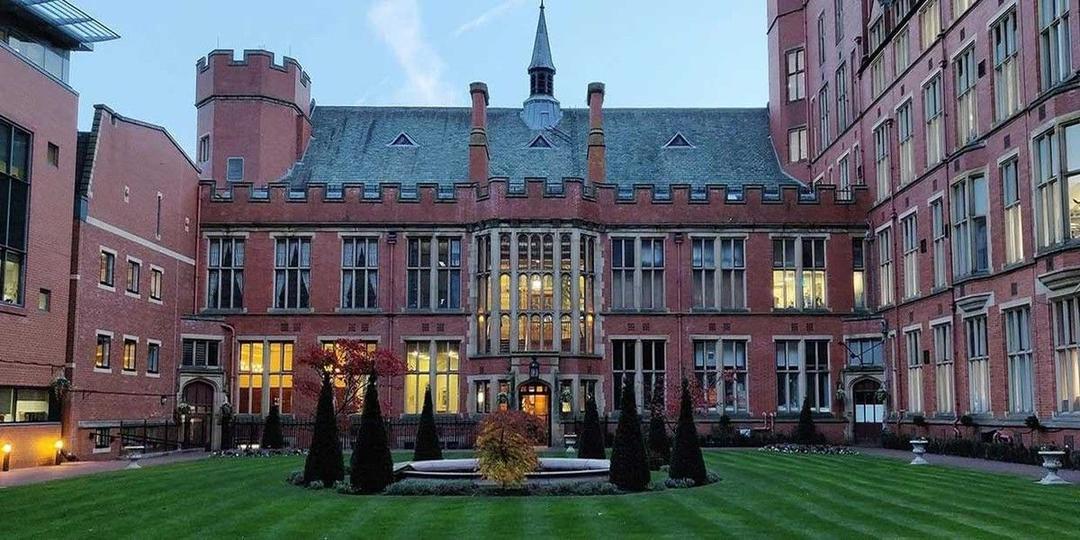
Quick Answer: Both Sheffield and Birmingham are prestigious Russell Group universities with similar rankings and fees (£22,000-£35,000). Sheffield excels in engineering and materials science with a compact campus, while Birmingham offers stronger business programmes and better city connectivity. Your choice depends on preferred course, campus style, and location preferences.
Choosing between the University of Sheffield and University of Birmingham is a common dilemma for international students. Both institutions are members of the prestigious Russell Group, representing the UK's leading research universities. While they share similar academic standards and reputations, each offers distinct advantages that could make one more suitable for your academic goals and lifestyle preferences.
This comprehensive comparison examines every aspect that matters to international students, from academic excellence and course offerings to living costs and graduate outcomes. Understanding these differences will help you make an informed decision that aligns with your career aspirations and personal priorities.
Quick Comparison Table
| Factor | University of Sheffield | University of Birmingham |
|---|---|---|
| Global Ranking | Typically 95-115 (QS World Rankings) | Usually 85-105 (QS World Rankings) |
| Tuition Fees | £22,000-£35,000 per year | £23,000-£38,000 per year |
| Entry Requirements | IELTS 6.0-7.0, A-levels ABB-AAA | IELTS 6.0-7.0, A-levels ABB-A*AA |
| Student Population | ~29,000 (30% international) | ~35,000 (25% international) |
| Location | Sheffield, South Yorkshire | Birmingham, West Midlands |
| Campus Style | Compact city centre campus | Large suburban campus |
| Known For | Engineering, Materials Science | Business, Medicine, Law |
| Graduate Employment | 85-90% within 6 months | 87-92% within 6 months |
⚠️ Data Disclaimer: Fees, rankings, and requirements shown are approximate and based on 2026 data. Always verify current information on official university websites before making decisions.
Rankings & Reputation
University of Sheffield consistently ranks within the top 100-120 globally, with particular strength in research impact. The university is internationally renowned for engineering disciplines, ranking in the top 50 worldwide for materials science and top 75 for mechanical engineering. Sheffield's reputation in architecture, journalism, and politics is also well-established among employers.
University of Birmingham typically achieves slightly higher overall rankings, usually placing between 85-105 globally. Birmingham's business school holds triple accreditation (AACSB, AMBA, EQUIS), placing it among the top 1% worldwide. The university is particularly strong in medicine, dentistry, and social sciences, often ranking within the UK top 15 for these subjects.
Both universities maintain excellent research profiles, with Birmingham slightly ahead in overall citations and Sheffield leading in engineering research output. The ranking difference is marginal and both carry strong international recognition.
Tuition Fees & Costs
Sheffield's fees typically range from £22,000-£35,000 per year, varying significantly by programme. Arts and humanities courses usually cost £22,000-£25,000, while engineering and sciences range from £26,000-£30,000. Medicine and dentistry programmes can reach £35,000 annually.
Birmingham's fees are generally slightly higher, ranging from £23,000-£38,000 per year. Business programmes often cost £28,000-£32,000, with medicine and dentistry reaching £38,000. The higher fees partly reflect Birmingham's larger investment in facilities and student services.
Living costs in Sheffield are notably lower, with student accommodation ranging from £120-£180 per week compared to Birmingham's £140-£220. Overall yearly expenses in Sheffield typically total £12,000-£15,000 versus Birmingham's £14,000-£18,000.
Entry Requirements
Sheffield typically requires A-level grades from ABB to AAA, depending on the programme. Engineering courses usually demand A*AA with specific subject requirements. IELTS scores generally range from 6.5-7.0, with some programmes accepting 6.0 overall. The university takes a holistic approach to applications, considering personal statements and work experience alongside grades.
Birmingham tends to have slightly higher entry requirements, ranging from ABB to AAA. Competitive programmes like medicine require AAA with specific science subjects. IELTS requirements are similar at 6.0-7.0, though business programmes often require 7.0. Birmingham's application process is notably rigorous, particularly for popular courses.
Both universities accept a wide range of international qualifications and offer foundation programmes for students who don't meet direct entry requirements.
Location & Student Life
Sheffield offers a more intimate university experience in a compact city of 580,000 people. The campus integrates seamlessly with the city centre, creating a vibrant student atmosphere where everything is within walking distance. Sheffield is known for its green spaces, with the Peak District on the doorstep, and has a thriving music and cultural scene.
The city's lower cost of living and strong sense of community make it particularly appealing to international students. Sheffield consistently ranks highly for student satisfaction, with students praising the friendly atmosphere and excellent nightlife.
Birmingham provides a major metropolitan experience as the UK's second-largest city. The university's Edgbaston campus is more traditional and spacious, located in an affluent suburb about 3 miles from the city centre. Birmingham offers superior transport links, with easy access to London, Manchester, and international airports.
The city's diversity and business opportunities provide excellent networking prospects, though the larger scale can feel less personal than Sheffield's tight-knit community.
Courses & Specializations
Sheffield is internationally recognised for:
- Engineering (particularly materials science and aerospace)
- Architecture and urban planning
- Journalism and media studies
- Politics and international relations
- Geography and environmental sciences
The university's engineering faculty is among Europe's largest, with extensive industry partnerships and state-of-the-art facilities.
Birmingham excels in:
- Business and management
- Medicine and dentistry
- Law and criminology
- Computer science
- Psychology and social sciences
Birmingham's business school and medical school are particularly prestigious, offering extensive placement opportunities and strong alumni networks.
Both universities offer comprehensive browse available courses across all major disciplines, with flexible degree structures and opportunities for study abroad.
Graduate Outcomes
Sheffield graduates typically achieve 85-90% employment or further study rates within six months of graduation. Engineering graduates particularly command high salaries, with starting salaries ranging from £25,000-£35,000. The university's strong industry connections, especially in engineering and technology sectors, provide excellent placement opportunities.
Birmingham graduates generally achieve slightly higher employment rates at 87-92%, benefiting from the city's diverse economy and the university's extensive employer networks. Business school graduates often secure starting salaries of £28,000-£40,000, while medical graduates have near 100% employment rates.
Both universities provide comprehensive careers support, though Birmingham's location in a major business centre offers more internship and graduate opportunities.
Scholarships & Financial Support
Sheffield offers various scholarships for international students:
- Vice-Chancellor's Intercultural Scholarships: £2,500-£5,000
- Faculty-specific scholarships: £1,000-£3,000
- Country-specific awards vary by region
The university also provides emergency funding and hardship support for students facing financial difficulties.
Birmingham provides competitive scholarship programmes:
- Global Masters Scholarships: £2,000-£10,000
- Dean's Excellence Scholarships: Up to £5,000
- Commonwealth and Chevening partnerships
Birmingham typically offers more substantial scholarship amounts but has more competitive selection processes.
Campus & Facilities
Sheffield's compact campus creates a strong sense of community with modern facilities including:
- The Diamond building for engineering and computer science
- Extensive library systems
- Modern student union building
- Integrated city centre location
Birmingham's larger campus offers:
- Recently renovated library and learning spaces
- Extensive sports facilities
- Modern accommodation blocks
- Beautiful historic buildings mixed with contemporary facilities
Both universities have invested heavily in facilities upgrades, with Birmingham's larger campus offering more space and Sheffield providing better integration with city life.
University of Sheffield - Pros & Cons
Pros: ✅ Lower living costs, ✅ Compact integrated campus, ✅ Strong engineering reputation, ✅ Excellent student satisfaction, ✅ Beautiful surrounding countryside Cons: ❌ Smaller city with fewer internship opportunities, ❌ Less diverse programme portfolio, ❌ Fewer major employer headquarters nearby, ❌ Limited public transport connections
University of Birmingham - Pros & Cons
Pros: ✅ Higher overall rankings, ✅ Excellent business and medical programmes, ✅ Major city with extensive opportunities, ✅ Superior transport links, ✅ Larger alumni network Cons: ❌ Higher living costs, ❌ More competitive admission process, ❌ Campus feels disconnected from city centre, ❌ Larger class sizes in popular programmes
Which One is Right for You?
Choose Sheffield if you:
- Prioritise engineering, materials science, or journalism
- Prefer a close-knit community atmosphere
- Want lower living costs
- Enjoy outdoor activities and green spaces
- Value campus integration with city life
Choose Birmingham if you:
- Want to study business, medicine, or law
- Prefer a major metropolitan experience
- Need excellent transport connections
- Prioritise extensive networking opportunities
- Want access to more internship and job prospects
Consider your budget carefully - Sheffield offers significantly lower living costs, potentially saving £3,000-£5,000 annually, which could offset any scholarship differences.
Conclusion
Both Sheffield and Birmingham offer excellent education and strong graduate prospects for international students. Sheffield provides outstanding value with lower costs and a more intimate university experience, particularly strong for engineering students. Birmingham offers broader opportunities and higher-ranking programmes, especially beneficial for business and medical students. Your decision should align with your subject preferences, budget considerations, and desired lifestyle during your UK studies.
Key Statistics
📊 Sheffield typically costs £3,000-£5,000 less per year in living expenses
📊 Birmingham ranks approximately 10-15 places higher in global university rankings
📊 Sheffield has 30% international students vs Birmingham's 25%
📊 Birmingham's business school holds triple accreditation (top 1% globally)
Frequently Asked Questions
Which university is better for engineering students?
Sheffield has a stronger reputation for engineering, particularly materials science and aerospace engineering. The university's engineering faculty is one of Europe's largest with extensive industry partnerships. Sheffield consistently ranks in the global top 50 for materials science and top 75 for mechanical engineering, making it the better choice for most engineering disciplines.
Is Birmingham or Sheffield more expensive for international students?
Birmingham is generally more expensive, with tuition fees £1,000-£3,000 higher per year and living costs £2,000-£3,000 more annually. Sheffield offers better value with lower accommodation costs (£120-£180/week vs £140-£220/week) and cheaper daily expenses. Overall, Sheffield can be £5,000-£8,000 less expensive per year.
Which city offers better job opportunities for graduates?
Birmingham offers more diverse job opportunities as the UK's second-largest city with numerous major employers and business headquarters. However, Sheffield has strong connections in engineering and technology sectors. Birmingham graduates achieve slightly higher employment rates (87-92% vs 85-90%), particularly benefiting from the city's extensive business networks.
How do the entry requirements compare between the two universities?
Birmingham typically has slightly higher entry requirements, especially for competitive programmes. Birmingham requires A-levels from ABB to A*AA, while Sheffield ranges from ABB to AAA. Both universities require IELTS 6.0-7.0, though Birmingham's business programmes often require 7.0. Both accept a wide range of international qualifications.
Which university has better campus facilities?
Both offer excellent modern facilities but with different styles. Sheffield has a compact, integrated city-centre campus with the impressive Diamond building for engineering. Birmingham features a larger, traditional suburban campus with extensive sports facilities and beautiful historic buildings. Sheffield offers better city integration while Birmingham provides more space and traditional campus atmosphere.
What scholarships are available for international students?
Sheffield offers Vice-Chancellor's Intercultural Scholarships (£2,500-£5,000) and faculty-specific awards (£1,000-£3,000). Birmingham provides Global Masters Scholarships (£2,000-£10,000) and Dean's Excellence Scholarships (up to £5,000). Birmingham typically offers larger scholarship amounts but with more competitive selection processes. Both universities provide country-specific awards and emergency funding support.
Key Takeaways
✅ Both are prestigious Russell Group universities with similar academic standards
✅ Sheffield offers better value with significantly lower living costs (£3,000-£5,000 savings annually)
✅ Birmingham ranks slightly higher overall but Sheffield excels in engineering specializations
✅ Choose based on your subject preference: Sheffield for engineering, Birmingham for business/medicine