




Queen's University Belfast vs Other UK Universities: Complete Comparison 2026
— 11 min read read

CourseOptions Team
Quick Answer: Queen's University Belfast ranks among the top 200 globally (QS 2026) with tuition fees of £20,800-£27,100 for international students, significantly lower than London universities. The university offers strong programs in medicine, engineering, and business with excellent research opportunities and a vibrant campus life in Northern Ireland's capital.
Introduction
Choosing the right UK university is one of the most important decisions for international students. Queen's University Belfast (QUB) stands as Northern Ireland's flagship institution, offering world-class education with unique advantages that set it apart from other UK universities. This comprehensive comparison will help you understand how Queen's University Belfast measures against other top UK institutions across key factors including rankings, costs, academic programs, and student experience.
Whether you're considering Queen's University Belfast alongside Russell Group universities, London institutions, or other regional powerhouses, this guide provides the essential insights you need to make an informed decision for your 2026 university application.
Queen's University Belfast: University Overview
Founded in 1845, Queen's University Belfast is one of the UK's most prestigious universities and a proud member of the Russell Group. The university consistently ranks within the top 200 globally according to QS World University Rankings 2026, positioning it alongside internationally recognized institutions.
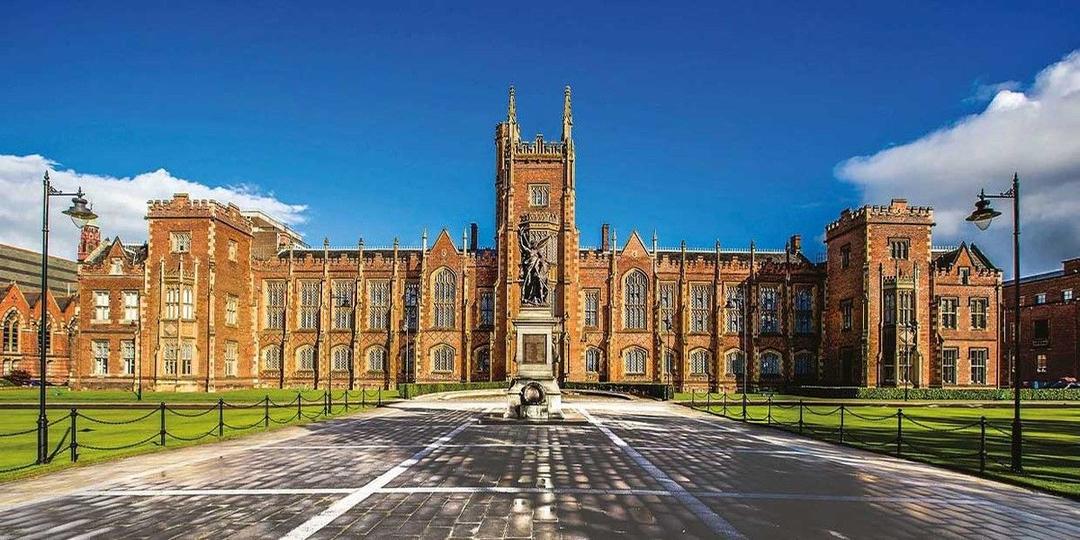
QUB serves over 25,000 students, including approximately 2,800 international students from more than 80 countries. The university's main campus spans 250 acres in South Belfast, combining historic Victorian architecture with modern, state-of-the-art facilities. The institution is particularly renowned for its research excellence, with 75% of its research rated as world-leading or internationally excellent in the latest Research Excellence Framework.
The university offers over 300 degree programs across three main faculties: Arts, Humanities and Social Sciences; Engineering and Physical Sciences; and Medicine, Health and Life Sciences. Notable alumni include Nobel Prize winners, political leaders, and industry innovators, reflecting the university's impact on global society.
Academic Rankings and Reputation Comparison
Global University Rankings 2026
Queen's University Belfast consistently performs well in international university rankings, though its position varies depending on the ranking system used. In the QS World University Rankings 2026, QUB holds a position within the 173-180 range globally, placing it firmly among the world's top 200 universities.
Compared to other UK universities, Queen's University Belfast ranks similarly to institutions like Cardiff University (151-160), University of York (162-170), and Lancaster University (146-155). However, it typically ranks below the traditional "Golden Triangle" universities (Oxford, Cambridge, Imperial College London, UCL, LSE, and King's College London) and other top Russell Group institutions like Edinburgh (22nd globally) or Manchester (32nd globally).
Subject-Specific Strengths
Queen's University Belfast particularly excels in several academic areas. The university's Medicine program consistently ranks within the UK's top 10, while its Engineering and Technology programs place within the top 150 globally. The School of Law ranks within the top 20 in the UK, and the university's Psychology department holds a top 100 global position.
The university's research impact is particularly strong in areas such as cancer research, cybersecurity, and sustainable energy, with several departments hosting world-leading research centers that attract international collaboration and funding.
Tuition Fees and Cost Comparison
International Student Tuition Fees 2026-27
One of Queen's University Belfast's most significant advantages is its competitive tuition fee structure. For international students entering in 2026, annual tuition fees range from £20,800 for classroom-based programs to £27,100 for laboratory and clinical programs. This represents exceptional value when compared to equivalent programs at other UK universities.
For perspective, similar programs at London universities typically cost £25,000-£45,000 annually, while other Russell Group institutions outside London generally charge £22,000-£35,000. This makes Queen's University Belfast one of the most affordable Russell Group options for international students.
Living Costs and Overall Value
Belfast offers significantly lower living costs compared to other major UK university cities. International students can expect total living expenses (accommodation, food, transport, and personal expenses) of approximately £8,000-£12,000 annually, compared to £15,000-£20,000+ in London or £10,000-£15,000 in cities like Manchester or Edinburgh.
When combining tuition fees and living costs, international students at Queen's University Belfast typically spend £28,800-£39,100 annually, representing savings of £10,000-£25,000 compared to studying at comparable universities in England or Scotland.
Program Offerings and Academic Excellence
Undergraduate Programs
Queen's University Belfast offers over 200 undergraduate degree programs, with particular strength in traditional academic disciplines and professional programs. The university's Medicine program (MBBCh) is highly competitive, accepting only around 280 students annually from thousands of applications. Engineering programs, including Aerospace, Civil, and Electronic Engineering, benefit from strong industry partnerships and modern laboratory facilities.
The university's business programs, offered through Queen's Management School, hold triple accreditation (AACSB, AMBA, and EQUIS), placing it among an elite group of business schools worldwide. This accreditation level matches prestigious institutions like London Business School and Manchester Business School.
Postgraduate and Research Opportunities
Queen's University Belfast offers over 100 postgraduate taught programs and extensive research opportunities across all disciplines. The university's PhD programs are particularly strong, with completion rates above the UK average and excellent graduate employment outcomes.
The university hosts several internationally recognized research institutes, including the Institute for Global Food Security, the Centre for Secure Information Technologies (CSIT), and the Wellcome-Wolfson Institute for Experimental Medicine. These centers provide postgraduate students with access to cutting-edge research and industry collaboration opportunities often unavailable at smaller universities.
Student Experience and Campus Life
Campus Facilities and Infrastructure
Queen's University Belfast's main campus combines historic charm with modern functionality. Recent investments exceeding £350 million have created world-class facilities including the £50 million Graduate School, state-of-the-art sports facilities, and the innovative Student Hub providing comprehensive support services.
The McClay Library, one of the most modern academic libraries in the UK, offers 24/7 access during term time and houses over 2 million items. The university's Students' Union building provides extensive recreational and social facilities, including restaurants, bars, shops, and meeting spaces.
International Student Support
Queen's University Belfast demonstrates strong commitment to international student success through comprehensive support services. The International Student Support team provides pre-arrival guidance, airport pickup services, and ongoing academic and pastoral support throughout students' studies.
The university operates a successful mentoring program pairing new international students with experienced peer mentors. Additionally, the English Language Centre offers pre-sessional and in-sessional English support to help international students succeed academically.
Student Societies and Activities
With over 200 student societies and clubs, Queen's University Belfast offers extensive opportunities for personal development and social engagement. International student societies represent various countries and cultures, helping create a welcoming environment for students from Pakistan, India, Nigeria, Bangladesh, and other nations.
The university's proximity to Belfast city center (10-minute walk) provides access to vibrant cultural attractions, shopping, and entertainment venues, while the stunning Northern Irish countryside offers weekend exploration opportunities.
Location Advantages: Belfast vs Other UK Cities
Geographic and Cultural Benefits
Belfast's unique position offers several advantages over other UK university cities. As the capital of Northern Ireland, Belfast provides a distinctive cultural experience combining British and Irish influences. The city has undergone significant regeneration, transforming into a modern, safe, and welcoming destination for international students.
The city's compact size means everything is easily accessible on foot or by public transport, contrasting favorably with larger, more sprawling university cities. Belfast International Airport provides direct flights to numerous European destinations and connecting flights worldwide, ensuring good international connectivity.
Employment and Career Opportunities
Belfast's growing economy offers increasing internship and graduate employment opportunities. The city hosts major employers including Bombardier Aerospace, Allstate Northern Ireland, and numerous technology companies attracted by government incentives and the skilled graduate workforce.
Queen's University Belfast maintains strong industry partnerships facilitating student placements and graduate recruitment. The university's careers service reports graduate employment rates consistently above 90%, with many graduates securing positions in London, Dublin, and internationally.
Entry Requirements and Application Process
Academic Entry Requirements
Queen's University Belfast's entry requirements vary by program but are generally competitive while remaining accessible. For undergraduate programs, international students typically need equivalent qualifications to A-levels with grades ranging from BBB to AAA, depending on the course.
For students from Pakistan, India, and Bangladesh, the university accepts Higher Secondary School Certificate with grades typically requiring 75-85% overall. Nigerian students with West African Senior School Certificate typically need credits in 5-6 subjects with grades C4-B3.
English Language Requirements
Most programs require IELTS 6.0 overall with minimum 5.5 in each component, though competitive programs like Medicine require IELTS 7.0. The university also accepts TOEFL, Pearson PTE, and other recognized English language qualifications.
Application Timeline and Process
Applications for 2026 entry typically open in September 2025, with most programs having application deadlines between January and June 2026. Medicine and other competitive programs have earlier deadlines, usually in October 2025.
When researching your options, you can browse all universities to compare Queen's University Belfast with other institutions and make the most informed decision for your academic future.
Conclusion
Queen's University Belfast offers exceptional value combining academic excellence, affordable costs, and unique cultural experiences that distinguish it from other UK universities. While it may not match the global prestige of Oxford or Cambridge, it provides world-class education at significantly lower costs than most comparable institutions. For international students seeking quality education, vibrant campus life, and excellent career prospects, Queen's University Belfast represents one of the UK's best-kept secrets in higher education.
Key Statistics
📊 Queen's University Belfast ranks 173-180 globally in QS World University Rankings 2026, placing it among the world's top 200 universities
💰 International tuition fees range from £20,800-£27,100 annually, saving students £10,000-£25,000 compared to London universities
🎓 Over 25,000 students including 2,800 international students from more than 80 countries study at QUB
📈 Graduate employment rate consistently exceeds 90%, with strong industry partnerships facilitating career opportunities
🔬 75% of Queen's University Belfast research is rated as world-leading or internationally excellent in REF assessments
🏆 Triple-accredited business school (AACSB, AMBA, EQUIS) matching prestigious institutions like London Business School
Frequently Asked Questions (FAQs)
How do I apply to Queen's University Belfast as an international student?
International students apply through UCAS for undergraduate programs or directly to the university for postgraduate courses. Applications for 2026 entry typically open in September 2025, with deadlines varying by program from January to June 2026. You'll need to submit academic transcripts, English language test scores (usually IELTS 6.0-7.0), personal statement, and references. Medicine and other competitive programs have earlier deadlines, usually by October 2025.
What is Queen's University Belfast's ranking compared to other UK universities?
Queen's University Belfast ranks 173-180 globally in QS World University Rankings 2026, positioning it among the world's top 200 universities. Within the UK, it ranks similarly to Cardiff University, University of York, and Lancaster University. While it doesn't match the prestige of Oxford, Cambridge, or London's Golden Triangle universities, it offers excellent academic quality as a Russell Group institution with significantly lower costs.
How much does it cost to study at Queen's University Belfast?
International students pay £20,800-£27,100 annually for tuition, depending on the program, with laboratory and clinical courses at the higher end. Total living costs in Belfast are approximately £8,000-£12,000 per year, making the overall annual cost £28,800-£39,100. This represents savings of £10,000-£25,000 compared to studying at equivalent universities in London or other expensive UK cities.
What are Queen's University Belfast's strongest academic programs?
Queen's University Belfast excels particularly in Medicine (top 10 UK ranking), Engineering and Technology (top 150 globally), Law (top 20 UK), and Psychology (top 100 globally). The university's business school holds triple accreditation (AACSB, AMBA, EQUIS), placing it among elite business schools worldwide. Research strengths include cancer research, cybersecurity, and sustainable energy, with several world-leading research centers.
How does Belfast compare to other UK university cities for international students?
Belfast offers significant advantages including much lower living costs (£8,000-£12,000 annually vs £15,000-£20,000+ in London), a compact, walkable city center, rich cultural heritage combining British and Irish influences, and excellent safety standards. The city has undergone major regeneration and offers good international connectivity through Belfast International Airport. The smaller size creates a close-knit community feeling often missing in larger university cities.
What support does Queen's University Belfast provide for international students?
The university offers comprehensive international student support including pre-arrival guidance, airport pickup services, orientation programs, and ongoing academic and pastoral support. There's a dedicated mentoring program pairing new international students with experienced peer mentors, English language support through the English Language Centre, and over 200 student societies including numerous international student groups representing various countries and cultures.
Key Takeaways
✅ Queen's University Belfast offers exceptional value with Russell Group quality education at significantly lower costs than most UK universities
✅ Strong global ranking (173-180 in QS 2026) with particular excellence in Medicine, Engineering, and Business programs
✅ Belfast provides affordable living costs and unique cultural experiences combining British and Irish heritage
✅ Comprehensive international student support and over 200 student societies create a welcoming, inclusive environment
✅ Excellent graduate employment rates above 90% with strong industry partnerships facilitating career opportunities
✅ Modern campus facilities and world-class research opportunities rival those of more expensive UK universities