




University of Oxford vs University of Glasgow: Which is Better for International Students 2026?
— 11 min read read

CourseOptions Team
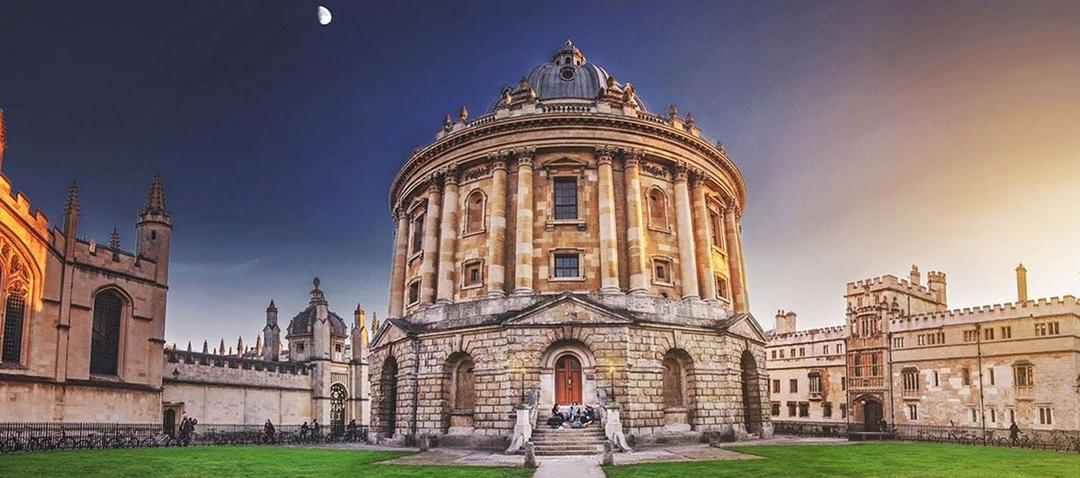
Quick Answer: Oxford offers world-leading prestige and research but with extremely competitive entry (typically AAA+ grades) and higher costs (£30,000-£45,000+ annually). Glasgow provides excellent Russell Group education at more accessible entry requirements (typically AAB-ABB) and lower fees (£25,000-£35,000), with vibrant Scottish culture and strong graduate outcomes.
Choosing between the University of Oxford and University of Glasgow represents a fascinating decision between two prestigious Russell Group institutions with vastly different characters. Oxford, one of the world's oldest and most renowned universities, offers unparalleled academic prestige and research opportunities. Meanwhile, Glasgow provides exceptional education within Scotland's cultural capital, combining academic excellence with accessibility and vibrant student life.
Both universities attract thousands of international students annually, but they cater to different needs and aspirations. This comprehensive comparison will help you understand which institution aligns better with your academic goals, financial situation, and lifestyle preferences for 2026-2027.
Quick Comparison Table
| Factor | University of Oxford | University of Glasgow |
|---|---|---|
| Global Ranking | Top 5 worldwide | Top 100 worldwide |
| Tuition Fees | £30,000-£45,000+ per year | £25,000-£35,000 per year |
| Entry Requirements | Typically AAA+ grades, IELTS 7.0-7.5 | Typically AAB-ABB grades, IELTS 6.5-7.0 |
| Location | Historic Oxford, England | Vibrant Glasgow, Scotland |
| Student Population | ~24,000 (45% international) | ~29,000 (25% international) |
| Notable Strengths | Research, prestige, alumni network | Medicine, engineering, accessibility |
| Accommodation | College system, guaranteed for first year | Campus and city options |
| Graduate Employment | 95%+ employment rate | 90%+ employment rate |
⚠️ Data Disclaimer: Fees, rankings, and requirements shown are approximate and based on 2026 data. Always verify current information on official university websites before making decisions.
Rankings & Reputation
University of Oxford consistently ranks among the world's top 5 universities across major ranking systems. In QS World University Rankings 2026, Oxford typically maintains its position in the top 5, with particular strength in humanities, social sciences, and medical sciences. The Times Higher Education World University Rankings similarly places Oxford in elite company, recognizing its research impact and international outlook.
University of Glasgow performs admirably in global rankings, usually placing within the top 100 worldwide and top 20 in the UK. Glasgow particularly excels in subject-specific rankings, with veterinary science, medicine, and engineering frequently appearing in global top 50 lists. The university's research quality and graduate outcomes contribute to its strong reputation, especially within Scotland and the broader UK.
The reputation gap between these institutions is significant on a global scale, with Oxford carrying unmatched prestige in academic and professional circles worldwide. However, Glasgow's reputation remains strong, particularly in specific fields and among employers who value practical skills alongside academic achievement.
Tuition Fees & Costs
University of Oxford represents one of the more expensive options for international students, with tuition fees typically ranging from £30,000-£45,000+ per year depending on the programme. Medicine, veterinary science, and some science subjects command the highest fees. Living costs in Oxford are substantial, with accommodation, food, and general expenses often exceeding £15,000-£20,000 annually.
University of Glasgow offers more accessible pricing, with international tuition fees generally ranging from £25,000-£35,000 per year. Clinical subjects and specialized programmes may cost more, but the overall fee structure remains more affordable than Oxford. Living costs in Glasgow are considerably lower, with students often managing on £12,000-£15,000 annually for accommodation and living expenses.
The total cost difference can be substantial – Oxford students might face total annual costs of £50,000+, while Glasgow students could manage on £35,000-£45,000 per year. This difference compounds over a degree programme, making Glasgow significantly more budget-friendly.
Entry Requirements
University of Oxford maintains extremely competitive entry standards, typically requiring AAA+ A-levels or equivalent international qualifications. Many programmes require specific subject prerequisites and additional entrance exams (like the BMAT for medicine or MAT for mathematics). IELTS requirements usually range from 7.0-7.5 with high individual component scores. The application process includes college preferences, personal statements, and often interviews.
University of Glasgow sets more accessible entry requirements, typically requiring AAB-ABB A-levels or equivalent qualifications. While still competitive, the requirements are achievable for strong students who might not reach Oxford's standards. IELTS requirements typically range from 6.5-7.0 depending on the programme. The application process is generally more straightforward, though competitive programmes may require additional assessments.
Oxford's selectivity means many excellent students face rejection, while Glasgow offers broader access to high-quality education. This accessibility doesn't diminish Glasgow's quality but reflects different institutional approaches to admissions.
Location & Student Life
University of Oxford is located in the historic city of Oxford, about an hour from London by train. The city revolves around the university, creating an intensely academic atmosphere. Oxford's collegiate system provides unique social and academic structures, with students belonging to specific colleges that become central to their university experience. The city offers cultural attractions, dining, and entertainment, though living costs reflect its proximity to London.
University of Glasgow sits in Scotland's largest city, offering urban energy alongside university tradition. Glasgow provides vibrant nightlife, cultural venues, music scenes, and diverse dining options. The campus combines historic architecture with modern facilities, while the city offers more affordable entertainment and living options. Glasgow's location provides easy access to Scotland's natural beauty, from lochs to highlands.
The lifestyle difference is significant – Oxford offers intimate collegiate life in a smaller academic city, while Glasgow provides big-city experiences with university community benefits. Climate considerations also apply, with Scotland generally cooler and wetter than southern England.
Courses & Specializations
University of Oxford excels across numerous disciplines, with particular global leadership in humanities, social sciences, medicine, and sciences. The tutorial system provides intensive, personalized education through regular one-on-one or small group sessions with academics. Oxford's research opportunities are world-class, with students often engaging in cutting-edge projects. The university offers flexibility to combine subjects and pursue interdisciplinary studies.
University of Glasgow offers comprehensive programmes with notable strengths in medicine, veterinary science, engineering, business, and creative arts. The university emphasizes practical skills alongside theoretical knowledge, with strong industry connections facilitating internships and placements. Glasgow's research environment is robust, particularly in areas like cancer research, aerospace engineering, and creative industries.
When considering course options, students can browse available courses to explore specific programmes at both institutions. Oxford's tutorial system provides unmatched individual attention, while Glasgow offers more traditional lecture-seminar formats with excellent practical applications.
Graduate Outcomes
University of Oxford graduates enjoy exceptional employment prospects, with over 95% securing employment or further study within six months of graduation. Starting salaries typically range from £30,000-£50,000+, with many graduates entering prestigious graduate programmes in finance, consulting, law, and research. The Oxford alumni network provides global connections and career advantages throughout graduates' professional lives.
University of Glasgow maintains strong graduate outcomes, with employment rates typically exceeding 90%. Starting salaries generally range from £25,000-£40,000, varying by field and location. Glasgow graduates are well-regarded by employers, particularly in Scotland and northern England, with strong placement rates in healthcare, engineering, business, and public sectors.
While Oxford's brand recognition provides global advantages, Glasgow graduates achieve excellent outcomes, particularly in practical fields. The choice often depends on career aspirations and geographical preferences post-graduation.
Scholarships & Financial Support
University of Oxford offers various scholarship schemes for international students, including the Rhodes Scholarship, Clarendon Fund, and college-specific awards. However, competition is intense, and full funding is limited. Most scholarships cover partial tuition or provide living cost support rather than full funding. Students should research college-specific opportunities, as individual colleges often provide additional financial support.
University of Glasgow provides numerous international scholarships, including merit-based awards, country-specific scholarships, and subject-specific funding. The university tends to offer more accessible partial scholarships that can significantly reduce costs. Glasgow's scholarship programmes often have less intense competition than Oxford's, increasing chances of receiving financial support.
Financial aid accessibility differs markedly – while Oxford's scholarships are prestigious and substantial, Glasgow's offerings may be more attainable for typical international students seeking cost reduction.
Campus & Facilities
University of Oxford operates through its unique collegiate system, with 39 colleges providing accommodation, dining, social spaces, and academic support. Each college has distinct character and facilities, from medieval buildings to modern complexes. Central university facilities include world-renowned libraries (including the Bodleian), research centers, and specialized laboratories. The distributed nature means facilities vary significantly between colleges.
University of Glasgow features a cohesive campus combining Gothic Revival architecture with modern facilities. Recent investments include state-of-the-art learning spaces, research facilities, and student centers. The university provides comprehensive sports facilities, multiple libraries, and specialized equipment for various disciplines. Campus accommodation ranges from traditional halls to modern apartments.
Oxford's college system creates intimate communities within the larger university, while Glasgow offers a more unified campus experience with consistent facility standards across the university.
University of Oxford - Pros & Cons
Pros: ✅ Unparalleled global prestige and recognition, ✅ World-class research opportunities and academics, ✅ Unique tutorial system with personalized attention, ✅ Exceptional graduate employment and starting salaries, ✅ Historic collegiate system creating lifelong networks, ✅ Access to world-renowned libraries and resources
Cons: ❌ Extremely competitive entry requirements, ❌ Very high tuition and living costs, ❌ Intense academic pressure and workload, ❌ Limited accessibility for average students, ❌ High cost of living in Oxford, ❌ Potentially elitist atmosphere
University of Glasgow - Pros & Cons
Pros: ✅ More accessible entry requirements, ✅ Lower tuition and living costs, ✅ Vibrant city location with cultural attractions, ✅ Strong programmes in medicine and engineering, ✅ Diverse student community, ✅ Excellent value for money
Cons: ❌ Less global prestige than Oxford, ❌ Smaller international alumni network, ❌ Lower average graduate starting salaries, ❌ Scottish weather and climate, ❌ Less research funding per student, ❌ Fewer global recognition advantages
Which One is Right for You?
Choose Oxford if you:
- Have exceptional academic credentials (AAA+ grades)
- Can afford high costs or secure substantial funding
- Prioritize global prestige and research opportunities
- Thrive in highly competitive environments
- Want access to elite networks and career opportunities
- Prefer intimate collegiate community life
Choose Glasgow if you:
- Have strong but not exceptional grades (AAB-ABB)
- Need more affordable education options
- Want big-city experiences alongside university life
- Prefer practical, industry-connected education
- Value diverse, inclusive student communities
- Are interested in Scottish culture and location
Consider your priorities carefully: If prestige and research opportunities outweigh cost concerns, Oxford might be worth the investment. If you want excellent education at accessible costs with vibrant student life, Glasgow offers outstanding value.
Conclusion
Both Oxford and Glasgow represent excellent choices for international students, but they serve different needs and circumstances. Oxford provides unmatched prestige and research opportunities for exceptional students who can manage the costs and competition. Glasgow offers accessible excellence with practical advantages, vibrant city life, and strong graduate outcomes at more reasonable costs. Your choice should align with your academic credentials, financial situation, career goals, and lifestyle preferences. Regardless of your decision, both universities provide pathways to successful international careers and lifelong learning opportunities.
Key Statistics
📊 Oxford ranks top 5 globally vs Glasgow's top 100 position
📊 Oxford fees: £30,000-£45,000+ vs Glasgow: £25,000-£35,000 annually
📊 Oxford requires AAA+ grades vs Glasgow's AAB-ABB requirements
📊 Oxford has 95%+ graduate employment vs Glasgow's 90%+ rate
Frequently Asked Questions
Is Oxford significantly better than Glasgow for international students?
Oxford offers superior global prestige, research opportunities, and graduate outcomes, but Glasgow provides excellent education at more accessible entry requirements and costs. 'Better' depends on your priorities - Oxford excels in prestige and research, while Glasgow offers outstanding value and accessibility.
How much more expensive is Oxford compared to Glasgow?
Oxford typically costs £15,000-£20,000 more annually when combining tuition (£30,000-£45,000+ vs £25,000-£35,000) and living expenses (£15,000-£20,000 vs £12,000-£15,000). Over a three-year degree, this difference can exceed £45,000-£60,000.
Are entry requirements much harder for Oxford than Glasgow?
Yes, Oxford typically requires AAA+ grades with additional entrance exams and interviews, while Glasgow usually accepts AAB-ABB grades with more straightforward applications. Oxford's acceptance rate is much lower, making it significantly more competitive.
Which university has better job prospects for graduates?
Oxford graduates typically enjoy higher starting salaries (£30,000-£50,000+) and global recognition advantages. Glasgow graduates also achieve strong outcomes (£25,000-£40,000 starting salaries) with over 90% employment rates, particularly strong in practical fields and Scotland.
Is the location better in Oxford or Glasgow?
This depends on preferences. Oxford offers a historic, intimate academic city close to London but with high living costs. Glasgow provides vibrant big-city life, cultural attractions, and lower costs but with cooler Scottish climate. Both offer unique advantages.
Which university offers better scholarships for international students?
While Oxford's scholarships (Rhodes, Clarendon) are more prestigious, they're extremely competitive. Glasgow typically offers more accessible partial scholarships with less intense competition, potentially making financial support more attainable for typical international students.
Key Takeaways
✅ Oxford offers unmatched global prestige but requires exceptional credentials and higher costs
✅ Glasgow provides excellent Russell Group education at more accessible requirements and costs
✅ Total cost difference can exceed £45,000-£60,000 over a full degree programme
✅ Both universities offer strong graduate outcomes, with Oxford providing higher average salaries