




Middlesex University vs Other UK Universities: Complete 2026 Comparison
— 12 min read read

CourseOptions Team
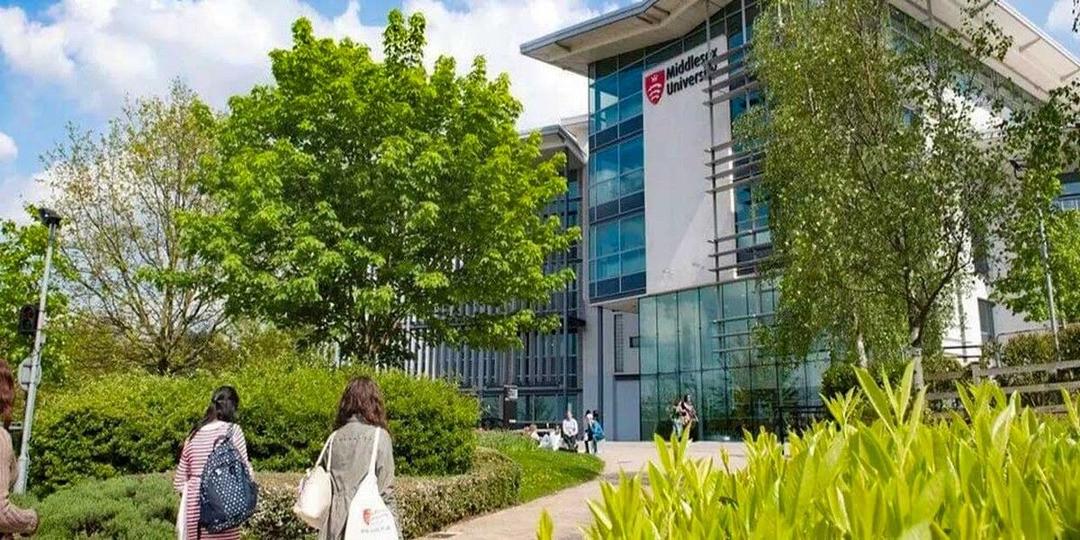
Quick Answer: Middlesex University ranks 85th in the UK for 2026, offering competitive tuition fees of £14,000-16,500 annually with strong industry connections and diverse programs. While not in the Russell Group, it excels in business, arts, and health sciences with 92% graduate employability rates.
Introduction
Choosing the right UK university is crucial for international students, and Middlesex University often comes up in discussions alongside other institutions. With over 40,000 students from 140+ countries, Middlesex University offers a unique blend of practical education and global perspective that sets it apart from traditional UK universities.
This comprehensive comparison will help you understand how Middlesex University stacks up against other UK institutions in terms of rankings, costs, programs, and outcomes, enabling you to make an informed decision about your higher education journey.
Middlesex University Overview: Key Facts 2026
Middlesex University, established in 1973, has evolved into a modern, internationally-focused institution with campuses in London, Dubai, Malta, and Mauritius. The university is known for its industry-relevant programs, diverse student body, and strong emphasis on employability.
Campus Locations:
- Main campus: Hendon, North London
- Additional UK sites: Archway, Fitzrovia
- International campuses: Dubai, Malta, Mauritius
Student Population: Over 40,000 students (including 19,000 international students) Academic Reputation: Ranked 85th in the Complete University Guide 2026
University Rankings Comparison 2026
Middlesex University vs Russell Group Universities
While Middlesex University isn't part of the prestigious Russell Group, it holds its own in specific subject areas:
Middlesex University Rankings:
- Overall UK ranking: 85th (Complete University Guide 2026)
- Business & Management: 45th nationally
- Art & Design: 38th nationally
- Nursing: 52nd nationally
- Teaching Quality: 4.2/5 (National Student Survey 2026)
Comparison with Russell Group Averages:
- Russell Group average ranking: 15-30th
- However, Russell Group universities typically charge £24,000-28,000 vs Middlesex's £14,000-16,500
- Class sizes: Middlesex offers smaller class sizes (average 18 students) vs Russell Group (25-30 students)
Middlesex vs Similar-Tier Universities
When compared to universities in similar ranking positions:
- University of Greenwich (Rank 87): Similar fees, stronger maritime programs
- London South Bank University (Rank 92): Lower fees (£13,500), stronger engineering
- University of East London (Rank 95): Comparable diversity, lower entry requirements
Tuition Fees and Costs Analysis 2026
Middlesex University Fee Structure
Undergraduate Programs:
- Standard programs: £14,000 per year
- Business and Management: £15,500 per year
- Medicine and Health: £16,500 per year
- Art and Design: £15,000 per year
Postgraduate Programs:
- MBA: £18,500 per year
- Master's degrees: £15,000-17,500 per year
- Research degrees: £14,500 per year
Cost Comparison with Other UK Universities
vs Top-Tier Universities:
- Oxford/Cambridge: £28,000-32,000 (100% higher than Middlesex)
- Imperial College: £31,250 (115% higher)
- UCL: £25,800 (74% higher)
vs Mid-Tier Universities:
- University of Manchester: £22,500 (55% higher)
- University of Leeds: £21,750 (51% higher)
- University of Sheffield: £20,400 (42% higher)
vs Similar-Tier London Universities:
- Kingston University: £14,800 (5% higher)
- University of Greenwich: £14,200 (1% higher)
- London South Bank: £13,500 (4% lower)
Academic Programs and Specializations
Middlesex University's Strongest Programs
Business and Management:
- Triple-accredited business school (AACSB, EQUIS, AMBA)
- Strong industry partnerships with PwC, Deloitte, IBM
- 94% graduate employment rate within 6 months
Arts and Creative Industries:
- One of the largest art schools in Europe
- Industry-standard facilities including TV studios, galleries
- Notable alumni include fashion designers and media professionals
Health and Social Care:
- WHO Collaborating Centre status
- Excellent clinical placement opportunities
- 96% pass rates for professional qualifications
Computer Science and Engineering:
- Strong partnerships with tech companies
- Modern labs and equipment
- Focus on practical, industry-ready skills
Program Comparison with Competitors
Business Programs:
- Middlesex: Triple accreditation, £15,500 fees
- Manchester Business School: Higher ranking, £24,000 fees
- London Business School: World-renowned, £35,000+ fees
Art and Design:
- Middlesex: Comprehensive facilities, industry focus
- Central Saint Martins (UAL): Higher prestige, £22,500 fees
- Glasgow School of Art: Strong reputation, £18,750 fees
Student Life and Campus Experience
Middlesex University Campus Facilities
Hendon Campus Features:
- £200 million investment in modern facilities since 2019
- State-of-the-art library with 24/7 study spaces
- Sports facilities including fitness center and courts
- On-campus accommodation for 2,100 students
Student Support Services:
- International student support team
- Career services with 89% success rate in job placement
- Mental health and wellbeing support
- Academic skills workshops and tutoring
Campus Life Comparison
vs Central London Universities:
- Advantage: More spacious campus, better value accommodation
- Disadvantage: Less central location, fewer nearby entertainment options
vs Campus Universities:
- Advantage: London location, cultural diversity
- Disadvantage: Higher living costs, less traditional university experience
Graduate Outcomes and Employability 2026
Middlesex University Employment Statistics
- Graduate Employment Rate: 92% within 15 months
- Average Starting Salary: £26,800 for UK graduates
- Further Study Rate: 8% pursue additional qualifications
- Professional Employment: 78% in graduate-level roles
Industry Connections and Opportunities
Middlesex University's location in London provides unique advantages:
- Close proximity to major employers in finance, tech, and creative industries
- Extensive internship programs with over 500 partner organizations
- Regular industry guest lectures and networking events
- Strong alumni network in key industries
Employment Comparison
vs Russell Group Universities:
- Russell Group average: 95% employment rate, £29,500 starting salary
- Middlesex difference: 3% lower employment, £2,700 lower salary
- However: Significantly lower debt burden due to lower fees
vs Similar-Tier Universities:
- Above average for universities ranked 80-100
- Strong performance in creative industries and business sectors
International Student Experience
Global Community at Middlesex
With students from 140+ countries, Middlesex offers one of the most diverse student bodies in the UK:
- International Student Percentage: 47% of total enrollment
- Support Services: Dedicated international student advisors
- Cultural Events: Regular festivals and cultural celebrations
- Language Support: Free English language classes
Visa and Immigration Support
- Student Visa Success Rate: 96% for Middlesex applicants
- Post-Study Work: Full support for Graduate Route visa applications
- Immigration Advice: On-campus immigration team
If you're interested in exploring more options beyond Middlesex University, you can explore UK universities to find institutions that match your specific academic and career goals.
Entry Requirements Comparison
Middlesex University Entry Standards
Undergraduate Requirements:
- A-levels: BBB-CCC (depending on program)
- IELTS: 6.0 overall (5.5 minimum in each band)
- Foundation programs available for students not meeting direct entry
Postgraduate Requirements:
- Bachelor's degree: 2:2 or equivalent
- IELTS: 6.5 overall (6.0 in each band)
- Work experience considered for some programs
Comparison with Other Universities
vs Higher-Ranked Universities:
- Imperial College: AAA A-levels, IELTS 7.0
- UCL: A*AA-ABB, IELTS 6.5-7.5
- King's College London: A*AA-BBB, IELTS 6.0-7.0
vs Similar-Tier Universities:
- Generally comparable entry requirements
- Middlesex offers more flexible pathways through foundation programs
- Strong support for international qualifications assessment
Research Excellence and Innovation
Research Profile at Middlesex
While primarily teaching-focused, Middlesex University maintains active research programs:
- Research Excellence Framework (REF) 2026: 68% of research rated as internationally excellent
- Key Research Areas: Health sciences, business innovation, creative arts
- Research Income: £12.5 million annually
- PhD Students: 1,200 research degree students
Research Comparison
vs Research-Intensive Universities:
- Oxford: 95% world-leading research, £600+ million research income
- Manchester: 85% internationally excellent, £400+ million income
- Middlesex: More modest research profile but strong industry application
Value for Money Assessment
Cost-Benefit Analysis
Financial Investment vs Returns:
- Total Degree Cost: £42,000-49,500 (3 years)
- London Living Costs: £12,000-15,000 per year
- Total Investment: £78,000-94,500
- Graduate Premium: £6,800 above non-graduate salaries
- Payback Period: 8-10 years (competitive for UK universities)
Value Proposition Strengths
- Lower fees compared to similar London universities
- Strong industry connections leading to employment opportunities
- Diverse, international environment preparing students for global careers
- Practical, skills-focused education valued by employers
- London location without premium pricing of central institutions
Making Your Decision: Key Considerations
When comparing Middlesex University to other UK institutions, consider these factors:
Choose Middlesex if:
- You want quality education at competitive prices
- Diversity and international perspective are important
- You prefer practical, industry-focused learning
- London location appeals but budget is a concern
- You value smaller class sizes and personal attention
Consider alternatives if:
- Research prestige is your primary concern
- You can afford significantly higher fees for marginally better outcomes
- Traditional university campus experience is essential
- You need specific programs not offered at Middlesex
Conclusion
Middlesex University offers excellent value for international students seeking quality UK education without the premium price tag of top-tier institutions. While it may not have the prestige of Russell Group universities, its strong industry connections, diverse community, and practical approach to education make it a compelling choice for career-focused students. The key is aligning your priorities—whether that's research excellence, cost-effectiveness, or employment outcomes—with what each university offers best.
Key Statistics
📊 Middlesex University ranks 85th in the UK with over 40,000 students from 140+ countries in 2026
💰 International tuition fees range from £14,000-16,500, significantly lower than Russell Group averages of £24,000-28,000
🎓 92% of Middlesex graduates secure employment within 15 months with average starting salaries of £26,800
📈 The university maintains a 96% student visa success rate and offers triple-accredited business programs
🏢 Strong industry partnerships with over 500 organizations including PwC, Deloitte, and IBM provide extensive internship opportunities
🌍 47% of the student body comprises international students, creating one of the most diverse learning environments in the UK
Frequently Asked Questions (FAQs)
How do I apply to Middlesex University compared to other UK universities?
You can apply to Middlesex University through UCAS alongside other UK universities, using the same application system. Middlesex typically requires BBB-CCC A-levels and IELTS 6.0, which are more accessible entry requirements compared to Russell Group universities that often demand AAA grades and IELTS 7.0+. The university also offers foundation programs for students who don't meet direct entry requirements, providing more flexible pathways than many competitor institutions. Application deadlines are the same as other UK universities (January 15th for most courses), and you can include Middlesex as one of your five UCAS choices.
What is the main difference between Middlesex University and Russell Group universities?
The primary differences lie in research intensity, prestige, and cost. Russell Group universities are research-intensive institutions with higher rankings (typically 15th-30th position) and charge £24,000-28,000 annually, compared to Middlesex's 85th ranking and £14,000-16,500 fees. However, Middlesex offers smaller class sizes (average 18 students vs 25-30 at Russell Group), stronger industry connections in certain fields, and comparable graduate employment rates (92% vs 95% average). Russell Group universities provide higher starting salaries (£29,500 vs £26,800) but also result in significantly higher student debt, making the financial return on investment more comparable than initial salary figures suggest.
How much does it cost to study at Middlesex University versus other London universities?
Middlesex University's tuition fees of £14,000-16,500 annually are among the most competitive for London-based institutions. In comparison, central London universities charge significantly more: UCL (£25,800), King's College London (£25,800), and Imperial College (£31,250). Even among similar-tier London universities, Middlesex offers better value: Kingston University charges £14,800, while London South Bank is slightly cheaper at £13,500. When combined with London living costs of £12,000-15,000 annually, the total cost of a three-year degree at Middlesex ranges from £78,000-94,500, compared to £120,000+ at top-tier London institutions.
What are the graduate employment rates and career prospects from Middlesex University?
Middlesex University boasts a 92% graduate employment rate within 15 months, with 78% securing graduate-level positions and an average starting salary of £26,800. The university's London location and strong industry partnerships with over 500 organizations, including major firms like PwC, Deloitte, and IBM, provide excellent networking and internship opportunities. While Russell Group universities achieve slightly higher employment rates (95%) and starting salaries (£29,500), the significantly lower debt burden from Middlesex's competitive fees often results in better long-term financial outcomes. The university's career services achieve an 89% success rate in job placement support, and many graduates benefit from the diverse, international alumni network spanning 140+ countries.
How does Middlesex University compare for international students specifically?
Middlesex University excels in international student support with 47% of its student body comprising international students from 140+ countries, creating one of the most diverse learning environments in the UK. The university maintains a 96% student visa success rate and provides dedicated international student advisors, free English language classes, and comprehensive immigration support. Compared to other UK universities, Middlesex offers more accessible entry requirements (IELTS 6.0 vs 6.5-7.5 at higher-ranked institutions) and significantly lower fees, making it more financially accessible. The university's multiple international campuses in Dubai, Malta, and Mauritius also provide unique opportunities for global mobility and cross-cultural experiences that many traditional UK universities cannot match.
Is Middlesex University worth it compared to higher-ranked UK universities?
Middlesex University offers excellent value for money, particularly for students prioritizing practical education, industry connections, and manageable debt levels over prestige. While higher-ranked universities provide greater research opportunities and slightly better employment outcomes, the cost differential is substantial—you'll pay 40-100% more for marginally better results. Middlesex's triple-accredited business school, diverse international community, and strong industry partnerships in London provide real-world advantages that often translate into career success. The university's focus on employability skills and practical learning approaches means graduates are well-prepared for the job market, with 92% employment rates that are competitive with much higher-ranked institutions. For career-focused students seeking quality UK education without premium pricing, Middlesex represents an excellent investment.
Key Takeaways
✅ Middlesex University offers competitive tuition fees of £14,000-16,500, 40-60% lower than Russell Group universities while maintaining 92% graduate employment rates
✅ The university provides one of the most diverse international environments in the UK with 47% international students from 140+ countries and comprehensive support services
✅ Strong industry partnerships with over 500 organizations including major firms provide excellent internship and networking opportunities in London
✅ While ranked 85th nationally, Middlesex excels in specific areas like business (triple-accredited), arts and design, and health sciences with smaller class sizes than higher-ranked competitors
✅ The London location combined with lower costs makes Middlesex an attractive option for international students seeking UK education value without central London premium pricing
✅ Entry requirements are more accessible (BBB-CCC A-levels, IELTS 6.0) with foundation program pathways available, making it more inclusive than higher-ranked alternatives