




University of Manchester vs University of Glasgow: Which is Better for International Students 2026?
— 10 min read read

CourseOptions Team
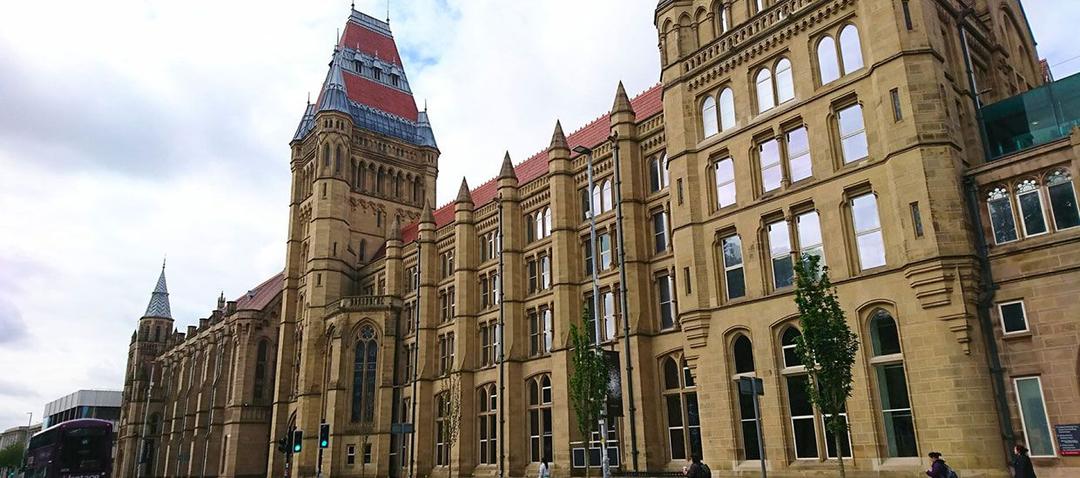
Quick Answer: Both Manchester and Glasgow are prestigious Russell Group universities, but Manchester typically ranks higher globally (25-35th vs 75-85th) while Glasgow offers more affordable tuition and living costs. Manchester excels in business and engineering, while Glasgow leads in medicine and humanities.
Choosing between the University of Manchester and University of Glasgow is a decision many international students face when considering top-tier UK education. Both institutions are members of the prestigious Russell Group, offering world-class education and research opportunities. However, they each have distinct characteristics that may appeal to different student preferences and career goals.
The University of Manchester, established in 2004 through a merger but with roots dating back to 1824, has rapidly established itself as a global powerhouse. Meanwhile, the University of Glasgow, founded in 1451, is one of the oldest universities in the English-speaking world, bringing centuries of academic tradition and excellence.
| Factor | University of Manchester | University of Glasgow |
|---|---|---|
| Global Ranking | 25-35th (QS World Rankings) | 75-85th (QS World Rankings) |
| Tuition Fees | £24,000-£47,000 per year | £20,000-£49,000 per year |
| IELTS Requirement | 6.0-7.5 depending on programme | 6.0-7.0 depending on programme |
| Cost of Living | £9,000-£12,000 per year | £8,000-£11,000 per year |
| Student Population | ~40,000 (25% international) | ~28,000 (30% international) |
| Notable Strengths | Business, Engineering, Computer Science | Medicine, Law, Humanities |
| Campus Type | Urban integrated | Traditional campus |
| Graduate Employment | 85-90% within 6 months | 80-85% within 6 months |
⚠️ Data Disclaimer: Fees, rankings, and requirements shown are approximate and based on 2026 data. Always verify current information on official university websites before making decisions.
Rankings & Reputation
University of Manchester consistently performs better in global rankings, typically placing in the top 30-35 worldwide in QS World University Rankings and around 50-55 in Times Higher Education Rankings. The university has built a strong reputation for research intensity and innovation, particularly excelling in subjects like Materials Science, Development Studies, and Social Policy.
University of Glasgow, while ranking lower globally (usually 75-85th in QS), maintains exceptional performance in specific subject areas. It frequently appears in the top 20 globally for Veterinary Science, and top 50 for Medicine, Law, and English Language & Literature. Glasgow's historical prestige and research quality often outweigh its overall ranking position.
Both universities enjoy strong reputations among employers, but Manchester's higher global ranking may provide slight advantages for international career opportunities, particularly in Asia and North America.
Tuition Fees and Costs
University of Manchester tuition fees for international students typically range from £24,000 to £47,000 per year, depending on the programme. Undergraduate courses usually fall between £24,000-£27,000, while postgraduate programmes can reach £30,000-£35,000. Medical and dental courses are at the higher end, often exceeding £45,000 annually.
University of Glasgow generally offers more competitive tuition fees, ranging from £20,000 to £49,000 per year. Most undergraduate programmes cost between £20,000-£25,000, making Glasgow approximately £2,000-£4,000 more affordable per year than Manchester. However, medical programmes at Glasgow can be equally expensive, reaching £49,000 annually.
Living costs also favour Glasgow, where students typically spend £8,000-£11,000 annually compared to Manchester's £9,000-£12,000. This difference primarily stems from accommodation and daily expenses being generally lower in Glasgow.
Entry Requirements
University of Manchester entry requirements tend to be slightly more competitive, with most programmes requiring IELTS scores between 6.5-7.5. For popular courses like Business Administration or Computer Science, academic requirements often include A-level equivalent grades of AAA-AAB, or international equivalents.
University of Glasgow typically requires IELTS scores between 6.0-7.0, though medical and law programmes may demand higher scores. Academic requirements usually range from ABB-AAA in A-level equivalent terms, making it marginally more accessible than Manchester for some programmes.
Both universities offer foundation programmes for international students who don't meet direct entry requirements, though Manchester's foundation programmes are generally more competitive to access.
Location & Student Life
Manchester offers a vibrant, cosmopolitan city experience with a rich industrial heritage transformed into a modern cultural hub. The city provides excellent transportation links, a thriving music scene, diverse dining options, and numerous internship opportunities. Manchester's larger size means more entertainment options but also higher living costs and a faster-paced environment.
Glasgow presents a more intimate Scottish city experience, combining historic architecture with modern amenities. The city is known for its friendly atmosphere, strong arts scene, and beautiful surrounding countryside. Students often find Glasgow more affordable and easier to navigate, though it offers fewer corporate internship opportunities compared to Manchester.
Both cities provide excellent student support networks and cultural activities, but the choice often comes down to preferring Manchester's metropolitan energy versus Glasgow's historic charm and Scottish culture.
Courses & Specializations
University of Manchester excels in:
- Business and Management (top 30 globally)
- Engineering disciplines
- Computer Science and Technology
- Materials Science
- Social Sciences
- Life Sciences
The university is particularly renowned for its Manchester Business School, which ranks among the top business schools globally. Engineering programmes benefit from strong industry connections and state-of-the-art facilities.
University of Glasgow leads in:
- Medicine and Health Sciences
- Veterinary Science (top 20 globally)
- Law and Legal Studies
- Humanities and Arts
- Psychology
- Aerospace Engineering
Glasgow's medical school is one of the most prestigious in the UK, and its veterinary programme consistently ranks among the world's best.
Graduate Outcomes
University of Manchester graduates typically achieve employment rates of 85-90% within six months of graduation. Average starting salaries range from £24,000-£35,000, with business and engineering graduates often commanding higher salaries. The university's strong alumni network and industry connections facilitate job placement.
University of Glasgow maintains employment rates of 80-85% within six months, with average starting salaries ranging from £22,000-£32,000. Medical and veterinary graduates often achieve higher earnings, while humanities graduates may start at lower salary points but have strong long-term career prospects.
Both universities provide excellent career services and have strong relationships with employers, though Manchester's larger size and business focus may offer slight advantages for certain career paths.
Scholarships for International Students
University of Manchester offers various international scholarships including:
- Global Futures Scholarship: Up to £3,000-£5,000
- Manchester Global Part-Scholarships: 25-50% tuition fee reduction
- Country-specific scholarships
- Merit-based awards for exceptional students
University of Glasgow provides competitive funding options:
- International Leadership Scholarships: Up to £10,000
- Undergraduate Excellence Scholarships: £2,500-£5,000
- Country-specific scholarships
- Research studentships for postgraduate students
Glasgow often provides more generous scholarship amounts, though competition can be intense. Both universities offer partial funding rather than full scholarships in most cases.
Campus & Facilities
University of Manchester operates from a large urban campus integrated into the city center. Key facilities include:
- The John Rylands Library (world-renowned research library)
- Modern laboratory complexes
- State-of-the-art business school buildings
- Comprehensive sports facilities
- Student union venues and societies
University of Glasgow features a traditional sandstone campus in the city's West End:
- Historic main building and cloisters
- Modern research facilities
- Comprehensive sports complex
- Beautiful campus grounds
- Strong student union and society network
While Manchester offers more modern facilities overall, Glasgow's campus is often considered more beautiful and cohesive.
University of Manchester - Pros & Cons
Pros: ✅ Higher global rankings, ✅ Strong business and engineering programmes, ✅ Better industry connections, ✅ Vibrant city life, ✅ Excellent research opportunities Cons: ❌ Higher tuition and living costs, ❌ More competitive entry requirements, ❌ Large student body may feel impersonal, ❌ Urban campus lacks traditional feel
University of Glasgow - Pros & Cons
Pros: ✅ Lower tuition and living costs, ✅ Beautiful historic campus, ✅ Strong medical and veterinary programmes, ✅ Friendly Scottish culture, ✅ More generous scholarships Cons: ❌ Lower overall global rankings, ❌ Fewer corporate opportunities, ❌ Limited programme variety compared to Manchester, ❌ Smaller international student community
Which One is Right for You?
Choose University of Manchester if you:
- Prioritize global rankings and prestige
- Want to study business, engineering, or computer science
- Prefer a cosmopolitan city environment
- Seek extensive industry connections and internship opportunities
- Can afford higher tuition and living costs
- Value diverse cultural experiences
Choose University of Glasgow if you:
- Are budget-conscious about tuition and living expenses
- Want to study medicine, veterinary science, or humanities
- Prefer a traditional campus experience
- Value Scottish culture and history
- Seek a more intimate university environment
- Prioritize scholarship opportunities
For students interested in exploring more options, you can explore all UK universities to find the perfect match for your academic and career goals.
Conclusion
Both the University of Manchester and University of Glasgow offer exceptional educational experiences for international students, each with distinct advantages. Manchester provides higher global rankings and stronger industry connections, while Glasgow offers better value for money and a more traditional university experience. Your choice should align with your academic interests, financial situation, and personal preferences for campus and city life. Both institutions will provide you with a world-class education and strong foundation for your future career.
Key Statistics
📊 Manchester ranks 25-35th globally while Glasgow ranks 75-85th in QS World Rankings 2026
📊 Glasgow offers £2,000-£4,000 lower annual tuition fees for most undergraduate programmes
📊 Manchester has 40,000+ students with 25% international, Glasgow has 28,000+ with 30% international
📊 Both universities maintain 80-90% graduate employment rates within 6 months of graduation
Frequently Asked Questions
Which university has better global recognition - Manchester or Glasgow?
University of Manchester has stronger global recognition, ranking 25-35th in QS World Rankings compared to Glasgow's 75-85th position. Manchester's higher ranking provides advantages for international career opportunities, particularly in Asia and North America. However, Glasgow maintains exceptional reputation in specific fields like medicine and veterinary science where it often outranks Manchester.
Is University of Glasgow significantly cheaper than University of Manchester for international students?
Yes, Glasgow is generally more affordable. Tuition fees at Glasgow typically range £20,000-£25,000 for undergraduate programmes compared to Manchester's £24,000-£27,000. Combined with lower living costs (£8,000-£11,000 vs £9,000-£12,000 annually), Glasgow can save international students £4,000-£6,000 per year overall.
Which university is better for business studies - Manchester or Glasgow?
University of Manchester is superior for business studies. Manchester Business School consistently ranks in the global top 30, offering stronger industry connections, more diverse programme options, and better placement opportunities. While Glasgow offers solid business programmes, Manchester's reputation and alumni network in the business world are significantly stronger.
Are entry requirements harder at Manchester or Glasgow?
Manchester generally has more competitive entry requirements. Most programmes require IELTS 6.5-7.5 and A-level equivalent grades of AAA-AAB, while Glasgow typically requires IELTS 6.0-7.0 and grades of ABB-AAA. However, requirements vary significantly by programme, with both universities being highly competitive for popular courses like medicine and law.
Which city offers better student life - Manchester or Glasgow?
Both cities offer excellent but different student experiences. Manchester provides a larger, more cosmopolitan environment with diverse cultural activities, extensive nightlife, and numerous internship opportunities. Glasgow offers a more intimate, friendly atmosphere with rich Scottish culture, beautiful architecture, and generally lower costs. The choice depends on whether you prefer metropolitan energy or historic charm.
Do Manchester or Glasgow graduates earn higher starting salaries?
Manchester graduates typically achieve slightly higher starting salaries, averaging £24,000-£35,000 compared to Glasgow's £22,000-£32,000. This difference is partly due to Manchester's stronger business and engineering focus, plus better industry connections. However, salary differences vary significantly by field - Glasgow medical graduates often out-earn Manchester business graduates initially.
Key Takeaways
✅ Manchester offers higher global rankings but Glasgow provides better value for money
✅ Manchester excels in business and engineering while Glasgow leads in medicine and humanities
✅ Glasgow's total annual costs are typically £4,000-£6,000 lower than Manchester
✅ Both are prestigious Russell Group universities with excellent graduate employment rates