




London School of Economics (LSE) vs University of Manchester: Which is Better for International Students 2026?
— 12 min read read

CourseOptions Team
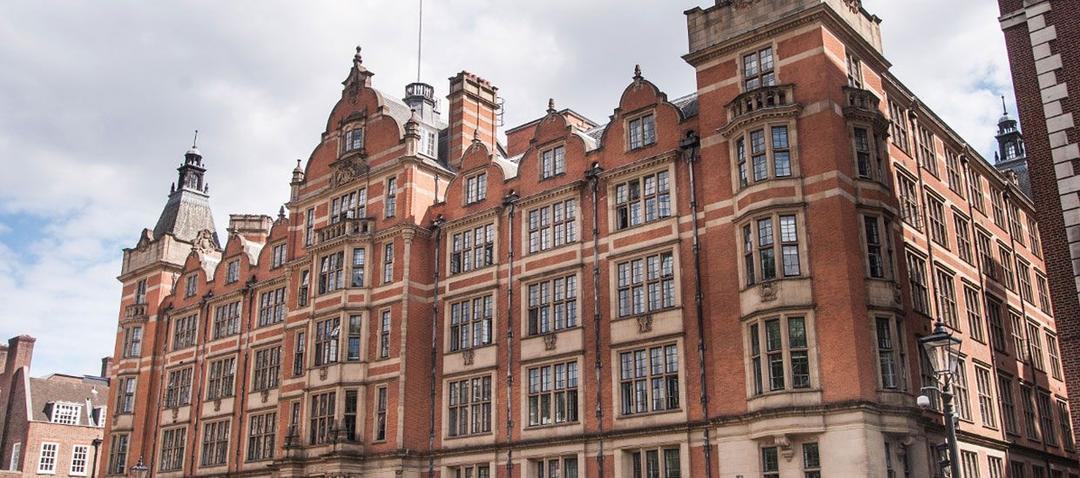
London School of Economics (LSE) vs University of Manchester: Which is Better for International Students 2026?
Choosing between the London School of Economics (LSE) and the University of Manchester represents a decision between two prestigious Russell Group institutions, each offering distinct advantages for international students. LSE, renowned globally for economics, politics, and social sciences, provides unmatched industry connections in London's financial heart. Meanwhile, the University of Manchester combines academic excellence across diverse disciplines with a vibrant student city experience and more affordable living costs.
Both universities consistently rank among the UK's top institutions and attract students from around the world. However, they differ significantly in specialization, campus culture, location benefits, and overall student experience. Understanding these differences is crucial for making an informed choice that aligns with your academic goals, career aspirations, and personal preferences.
Quick Comparison Table
| Factor | London School of Economics (LSE) | University of Manchester |
|---|---|---|
| Global Ranking | Typically #37-45 (QS World 2026) | Generally #51-60 (QS World 2026) |
| Subject Strengths | Economics, Politics, Sociology | Engineering, Business, Medicine, Sciences |
| Annual Tuition | £25,000-£45,000 | £22,000-£35,000 |
| Living Costs | £15,000-£20,000+ | £9,000-£12,000 |
| Entry Requirements | A*AA-AAA, IELTS 7.0-7.5 | AAA-ABB, IELTS 6.0-7.0 |
| Student Population | ~12,000 (45% international) | ~40,000+ (40% international) |
| Campus Style | Urban, no traditional campus | Mix of urban and traditional campus |
| Graduate Employment | 95%+ within 6 months | 90%+ within 6 months |
⚠️ Data Disclaimer: Fees, rankings, and requirements shown are approximate and based on 2026 data. Always verify current information on official university websites before making decisions.
Rankings & Reputation
LSE's Global Standing
LSE consistently ranks among the world's top universities for social sciences, typically placing #2-3 globally in this category. The institution excels particularly in Economics (#5-7 worldwide), Politics (#3-5), and Sociology (#2-4). Its compact size and specialized focus contribute to an exceptionally high academic staff-to-student ratio and intensive learning environment.
The LSE brand carries significant weight in government, finance, and international organizations. Notable alumni include 18 Nobel Prize winners, numerous heads of state, and leaders in major global institutions. This reputation translates into exceptional networking opportunities and career prospects.
Manchester's Comprehensive Excellence
The University of Manchester generally ranks in the top 60 globally and consistently places within the UK's top 30 universities. It particularly excels in Engineering (#20-30 globally), Computer Science (#40-50), and Business & Management (#30-40). The university's strength lies in its breadth - offering world-class programs across virtually every academic discipline.
Manchester's research output is among the highest in the UK, with particular strengths in materials science, nuclear physics, and medical research. The university has produced 25 Nobel Prize winners and maintains strong industry connections across multiple sectors.
Tuition Fees and Financial Considerations
LSE Costs
LSE's tuition fees for international students typically range from £25,000-£45,000 annually, depending on the programme. Economics, Finance, and Management courses tend toward the higher end, while some social science programmes may be more moderately priced. The premium reflects LSE's specialized focus and prime London location.
Living costs in London are substantial, typically requiring £15,000-£20,000+ annually for accommodation, food, and personal expenses. Central London accommodation near LSE can cost £200-£400+ per week, making budgeting crucial for international students.
Manchester's Value Proposition
The University of Manchester generally offers more affordable tuition, ranging from £22,000-£35,000 annually for international students. Engineering and science programmes may command higher fees, while humanities and social sciences often fall toward the lower end of this range.
Manchester's cost of living advantage is significant, with annual living expenses typically ranging from £9,000-£12,000. Student accommodation costs £100-£200 per week, and the city offers excellent value for dining, entertainment, and transportation.
Entry Requirements
LSE's Competitive Standards
LSE maintains highly competitive entry requirements, typically expecting AAA-AAA at A-level or equivalent international qualifications. Popular programmes like Economics or Government often require AAA with specific subject requirements. IELTS scores generally need to be 7.0-7.5 overall, with no component below 6.5-7.0.
The application process is particularly rigorous, with personal statements and references carrying significant weight. Some programmes may require additional tests or interviews, and competition is intense with acceptance rates often below 10% for popular courses.
Manchester's Accessible Excellence
The University of Manchester typically requires AAA-ABB at A-level, depending on the programme. Engineering and medicine courses demand higher grades (AAA-A*AA), while humanities programmes may accept ABB-BBB. IELTS requirements generally range from 6.0-7.0 overall, varying by faculty.
Manchester's larger size means more places available, resulting in generally higher acceptance rates than LSE. The university also considers a broader range of qualifications and may offer foundation programmes for students not meeting direct entry requirements.
Location & Student Life
London's Opportunities and Challenges
LSE's location in central London provides unparalleled access to internships, part-time work, and networking opportunities. Students can easily access the City of London, government institutions, NGOs, and international organizations. The cultural offerings are world-class, from museums and theaters to diverse dining and nightlife.
However, London's pace can be overwhelming, and the lack of a traditional campus means less conventional university community feeling. LSE students often describe the experience as more professional and career-focused, with less emphasis on traditional student activities.
Manchester's Balanced City Experience
Manchester offers an excellent balance of urban amenities and student-focused culture. The city has a rich industrial heritage, vibrant arts scene, and passionate sports culture. Living costs are significantly lower than London, allowing students more disposable income for experiences and travel.
The University of Manchester maintains a stronger campus identity despite its urban setting, with dedicated student areas and a more traditional university atmosphere. The large student population (over 100,000 across the city) creates a dynamic, youthful environment.
Courses & Specializations
LSE's Focused Excellence
LSE specializes exclusively in social sciences, offering programmes in Economics, Politics, International Relations, Sociology, Law, Management, and related fields. This specialization means exceptional depth and expertise in these areas, with courses often taught by world-renowned academics and industry practitioners.
The curriculum emphasizes analytical thinking, research skills, and practical application. Many programmes incorporate real-world case studies and offer opportunities to engage with policymakers, business leaders, and international organizations.
Manchester's Comprehensive Range
The University of Manchester offers programmes across virtually every academic discipline, from Engineering and Computer Science to Medicine, Arts, and Humanities. This breadth allows for interdisciplinary learning and the flexibility to combine subjects or change direction.
Manchester is particularly renowned for its Engineering faculty, one of the largest in the UK, and its Business School, which holds triple accreditation. The university also offers unique programmes and has strong research connections across multiple industries.
Graduate Outcomes
LSE's Career Advantages
LSE graduates typically achieve employment rates of 95%+ within six months of graduation, with many securing positions in top-tier financial services, consulting, government, and international organizations. Starting salaries often range from £35,000-£55,000+, with finance and consulting roles commanding premium compensation.
The LSE alumni network is exceptionally powerful, particularly in London's financial district and international policy circles. Career services are highly specialized and industry-focused, with strong recruitment partnerships.
Manchester's Diverse Opportunities
University of Manchester graduates also achieve strong employment outcomes, with rates typically around 90%+ within six months. The diversity of programmes means graduates enter various sectors, from engineering and technology to healthcare and creative industries.
Starting salaries vary significantly by field but generally range from £25,000-£40,000+, with engineering and computer science graduates often achieving the higher end. The university's large alumni network spans multiple industries and geographical locations.
Scholarships and Financial Support
LSE's Limited but Competitive Aid
LSE offers several scholarship schemes for international students, though competition is intense. The Graduate Support Scheme provides partial funding for Master's students, while undergraduate scholarships are more limited. Need-based assistance is available but typically covers only a portion of costs.
The high cost of attending LSE means students should thoroughly research all available funding options, including external scholarships and government funding from their home countries.
Manchester's Broader Support
The University of Manchester provides more extensive scholarship opportunities for international students, including the Manchester Global Masters Scholarship and various faculty-specific awards. The larger student body means more total awards available, though individual amounts may be smaller.
Additionally, Manchester's lower overall costs make it more feasible for students to self-fund or secure smaller scholarships that make a meaningful difference.
Campus & Facilities
LSE's Urban Integration
LSE operates without a traditional campus, with buildings integrated throughout central London. While this provides authentic London living, it can feel less cohesive. Facilities include the excellent British Library of Political and Economic Science, modern lecture theaters, and specialized research centers.
Student accommodation is primarily in halls scattered across London, which can affect community building but provides diverse neighborhood experiences.
Manchester's Comprehensive Campus
The University of Manchester combines urban integration with dedicated campus areas, providing both city access and university community. Facilities include state-of-the-art research labs, extensive libraries, sports complexes, and student union buildings.
The campus continues to evolve with significant recent investments in new buildings and facilities. Student accommodation options are varied and generally well-integrated with academic areas.
London School of Economics (LSE) - Pros & Cons
Pros: ✅ Unmatched global reputation in social sciences ✅ Exceptional networking and career opportunities ✅ Prime London location with industry access ✅ World-class faculty and intensive academic experience ✅ Strong alumni network in finance and government ✅ Specialized, focused curriculum
Cons: ❌ Extremely high costs (tuition and living) ❌ Limited subject range ❌ Highly competitive and stressful environment ❌ Lack of traditional campus community ❌ Limited scholarship availability ❌ Overwhelming urban environment for some
University of Manchester - Pros & Cons
Pros: ✅ Excellent value for money ✅ Comprehensive range of subjects ✅ Strong research opportunities across disciplines ✅ Vibrant student city with lower living costs ✅ More accessible entry requirements ✅ Better work-life balance and student experience ✅ Strong alumni network across multiple industries
Cons: ❌ Less prestigious than LSE in social sciences ❌ Larger class sizes in some programmes ❌ Less intensive networking opportunities ❌ Distance from London's financial center ❌ Weather can be challenging ❌ Less specialized focus may mean less depth in some areas
Which One is Right for You?
Choose LSE if you:
- Are passionate about economics, politics, or social sciences
- Have clear career goals in finance, consulting, or government
- Thrive in competitive, high-pressure environments
- Can manage high costs or have substantial funding
- Value prestige and global recognition above all
- Want to be in London's professional heart
Choose University of Manchester if you:
- Want flexibility to explore different subjects
- Prefer a more balanced student experience
- Are cost-conscious but still want quality education
- Value research opportunities across diverse fields
- Want a traditional university community feel
- Are studying engineering, sciences, or interdisciplinary subjects
For international students specifically: Manchester may offer better overall value and support systems, while LSE provides unmatched opportunities in specific career paths. Consider your long-term goals, financial situation, and preferred learning environment when deciding.
Conclusion
Both LSE and the University of Manchester offer exceptional opportunities for international students, but they cater to different priorities and circumstances. LSE provides world-class specialization and unparalleled career opportunities in social sciences, while Manchester offers comprehensive education, better value, and a more traditional university experience.
Your choice should align with your academic interests, career goals, financial capacity, and personal preferences for university life. Both institutions will provide excellent education and strong alumni networks - the question is which environment and focus best matches your aspirations.
For more information about these and other excellent UK universities, explore all UK universities to find your perfect academic match.
Key Statistics
📊 LSE ranks #2-3 globally for Social Sciences, Manchester ranks in top 60 overall
📊 LSE costs £40,000-£65,000 total annually vs Manchester's £31,000-£47,000
📊 LSE has 45% international students, Manchester has 40% from over 190 countries
📊 LSE graduates earn £35,000-£55,000+ starting salaries vs Manchester's £25,000-£40,000+
Frequently Asked Questions
Is LSE better than University of Manchester for international students?
It depends on your priorities. LSE offers unmatched prestige in social sciences and exceptional career opportunities in finance/government, but at much higher costs. Manchester provides excellent education across diverse subjects, better value for money, and a more balanced student experience. Choose LSE for specialized social sciences career focus, Manchester for broader options and affordability.
What are the main differences in tuition fees between LSE and Manchester?
LSE's tuition ranges from £25,000-£45,000 annually for international students, while Manchester typically charges £22,000-£35,000. When including living costs, LSE totals £40,000-£65,000 per year vs Manchester's £31,000-£47,000. Manchester offers significantly better value, with total costs often £10,000-£15,000 lower annually.
Which university has better graduate employment prospects?
Both universities have excellent graduate outcomes. LSE typically achieves 95%+ employment rates within 6 months with higher starting salaries (£35,000-£55,000+), particularly in finance and consulting. Manchester achieves 90%+ employment across diverse industries with starting salaries of £25,000-£40,000+. LSE has advantages in specific high-paying sectors, while Manchester offers opportunities across more industries.
Are entry requirements harder for LSE or Manchester?
LSE has significantly more competitive entry requirements, typically demanding A*AA-AAA with IELTS 7.0-7.5, and acceptance rates often below 10% for popular courses. Manchester generally requires AAA-ABB with IELTS 6.0-7.0 and has higher acceptance rates due to larger capacity. LSE is considerably more difficult to gain admission to.
Which location is better - London or Manchester?
London offers unparalleled professional opportunities, cultural experiences, and networking potential but at very high living costs (£15,000-£20,000+ annually). Manchester provides excellent urban amenities, vibrant student culture, and significantly lower living costs (£9,000-£12,000 annually) while still offering good career opportunities. Choose London for maximum professional exposure, Manchester for better work-life balance and affordability.
What subjects is each university best known for?
LSE specializes exclusively in social sciences and ranks globally #2-3 overall in this area, with particular strengths in Economics (#5-7), Politics (#3-5), and Sociology (#2-4). Manchester offers comprehensive subjects but excels particularly in Engineering (#20-30 globally), Computer Science (#40-50), Business & Management (#30-40), and has strong Medicine and Science programs. LSE offers unmatched depth in social sciences, Manchester provides breadth across all disciplines.
Key Takeaways
✅ LSE excels in social sciences with global prestige but costs significantly more
✅ Manchester offers excellent value across diverse subjects with lower living costs
✅ LSE provides intensive networking in London's financial center, Manchester offers balanced student experience
✅ Choose based on career goals: LSE for finance/government specialization, Manchester for broader opportunities