




King's College London vs University of Birmingham: Which is Better for International Students 2026?
— 10 min read read

CourseOptions Team
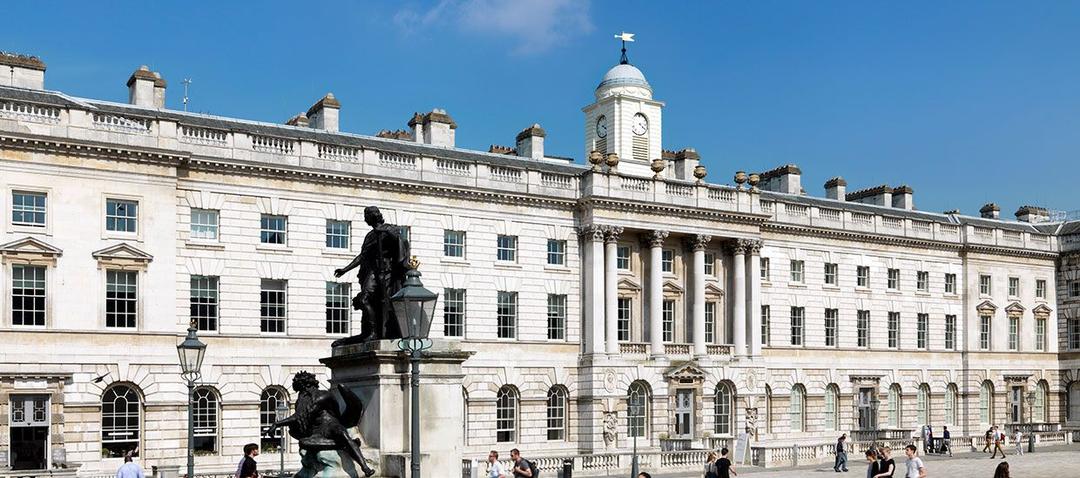
King's College London vs University of Birmingham: Which is Better for International Students 2026?
Choosing between King's College London (KCL) and the University of Birmingham represents a decision between two prestigious Russell Group universities with distinct advantages. King's College London offers the prestige of a top-tier London institution with world-class research facilities, while Birmingham provides excellent education value with strong industry connections in England's second-largest city.
Both universities attract thousands of international students annually, but they offer different experiences, costs, and outcomes. This comprehensive comparison will help you understand which institution aligns better with your academic goals, financial situation, and career aspirations for 2026-2027.
Quick Answer: King's College London offers prestige and London opportunities but higher costs, while Birmingham provides excellent value, strong graduate prospects, and lower living expenses. Choose KCL for research excellence and global connections, Birmingham for practical education and affordability.
Quick Comparison Table
| Factor | King's College London | University of Birmingham |
|---|---|---|
| Global Ranking (QS 2026) | Typically 30-40 | Usually 80-90 |
| Annual Tuition | £25,000-£45,000 | £20,000-£35,000 |
| Location | Central London | Birmingham city centre |
| Student Population | ~32,000 (40% international) | ~38,000 (35% international) |
| Entry Requirements | A*AA-AAB / IELTS 6.5-7.5 | AAB-ABB / IELTS 6.0-7.0 |
| Notable Strengths | Medicine, Law, International Relations | Engineering, Business, Medicine |
| Annual Living Costs | £15,000-£20,000 | £10,000-£14,000 |
| Graduate Employment | 85-90% within 6 months | 88-92% within 6 months |
⚠️ Data Disclaimer: Fees, rankings, and requirements shown are approximate and based on 2026 data. Always verify current information on official university websites before making decisions.
Rankings & Reputation
King's College London consistently ranks among the world's top 40 universities in major international rankings. It's particularly renowned for its research output, with strengths in medicine, dentistry, law, and international relations. The university's London location and historical prestige (founded 1829) contribute significantly to its global reputation.
University of Birmingham typically ranks in the top 100 globally and is highly respected in the UK, often placing in the top 15-20 domestically. Founded in 1900, it's known for pioneering research and strong industry partnerships. Birmingham excels particularly in engineering, business studies, and medical research, with several Nobel Prize winners among its alumni.
For subject-specific rankings, King's often outperforms Birmingham in humanities and life sciences, while Birmingham frequently leads in engineering and business studies. Both universities are research-intensive Russell Group members, ensuring high academic standards.
Tuition Fees Comparison
King's College London international tuition fees typically range from £25,000-£45,000 per year for 2026-2027, varying significantly by programme. Medical and dental courses command the highest fees, while humanities programmes are generally at the lower end. The premium reflects London location and prestigious reputation.
University of Birmingham offers more affordable tuition, typically ranging from £20,000-£35,000 annually for international students. This represents substantial savings compared to London institutions, while still providing Russell Group education quality. Engineering and business programmes fall in the mid-range, with medical courses at the higher end.
Fees at both institutions have increased annually, and students should budget for potential rises throughout their studies. Birmingham consistently offers better value for money, particularly when combined with lower living costs.
Entry Requirements
King's College London entry requirements are generally more competitive, typically requiring A*AA-AAB at A-level or equivalent international qualifications. IELTS requirements usually range from 6.5-7.5 depending on the programme, with higher standards for medicine, dentistry, and law. The university expects strong academic records and often requires specific subject prerequisites.
University of Birmingham maintains high standards while being slightly more accessible, typically requiring AAB-ABB at A-level. IELTS requirements generally range from 6.0-7.0, making it more attainable for international students. The university considers a broader range of qualifications and offers foundation programmes for students needing additional preparation.
Both universities evaluate applications holistically, considering personal statements, references, and relevant experience alongside academic grades. Birmingham's approach tends to be more flexible, particularly for students from diverse educational backgrounds.
Location & Student Life
London offers unparalleled opportunities for internships, networking, and cultural experiences. King's students benefit from access to major financial districts, government institutions, and international organizations. However, London's high cost of living (£15,000-£20,000 annually) and fast-paced environment can be overwhelming for some students.
Birmingham provides a more balanced student experience with lower costs (£10,000-£14,000 annually for living expenses) and a strong sense of community. As the UK's second-largest city, Birmingham offers excellent career opportunities while maintaining affordability. The city has invested heavily in regeneration, creating modern facilities and vibrant student areas.
Both cities offer excellent transport links across the UK and internationally. London provides greater diversity and global connections, while Birmingham offers better value and a more manageable city size for many international students.
Courses & Specializations
King's College London excels in:
- Medicine and Dentistry (consistently top 10 globally)
- Law (particularly international and human rights law)
- International Relations and Politics
- Psychology and Neuroscience
- War Studies and Security
- Nursing and Healthcare
University of Birmingham is renowned for:
- Engineering (especially civil, chemical, and electronic)
- Business and Management Studies
- Computer Science and AI
- Medicine (first UK medical school to admit women)
- Education and Teacher Training
- Sports and Exercise Sciences
Both universities offer comprehensive programme ranges, but King's tends to focus more on theoretical and research-based approaches, while Birmingham emphasizes practical application and industry collaboration.
Graduate Outcomes
King's College London graduates typically achieve 85-90% employment rates within six months, with starting salaries ranging from £25,000-£35,000 for most fields, higher for finance and law. The London location provides exceptional networking opportunities and access to major employers.
University of Birmingham often outperforms KCL in graduate employment rates (88-92%), with starting salaries typically ranging from £23,000-£32,000. Strong industry partnerships, particularly in engineering and business, lead to excellent job placement rates. The university's careers services are consistently rated among the UK's best.
Both institutions provide strong alumni networks globally, though King's tends to have stronger connections in international organizations and finance, while Birmingham excels in engineering and business sectors.
Scholarships for International Students
King's College London offers various scholarships including:
- King's International Scholarships (partial tuition coverage)
- Faculty-specific awards
- Country-specific funding programmes
- Research council funding for postgraduate students
Typical awards range from £2,000-£10,000, though full scholarships are rare and highly competitive.
University of Birmingham provides:
- International Scholarships (£2,000-£10,000)
- Global Masters Scholarships
- Country-specific awards
- Merit-based automatic discounts
Birmingham tends to offer more scholarships to a broader range of students, with some automatic awards based on academic achievement.
Campus & Facilities
King's College London operates across multiple central London campuses, each with specialized facilities. The Strand Campus houses humanities and law, while Guy's Campus focuses on medical sciences. Facilities are modern but space-constrained due to urban location. Students benefit from access to London's museums, libraries, and cultural institutions.
University of Birmingham features a unified, spacious campus with impressive architecture and extensive facilities. Recent investments include state-of-the-art engineering buildings, sports centres, and student accommodation. The campus provides a traditional university experience with modern amenities, including extensive green spaces.
Which One is Right for You?
Choose King's College London if you:
- Prioritize global prestige and research excellence
- Want to study medicine, law, or international relations
- Can afford higher costs for London opportunities
- Value networking in finance and international sectors
- Prefer urban, fast-paced environments
Choose University of Birmingham if you:
- Seek excellent education at better value
- Interested in engineering, business, or applied sciences
- Prefer lower living costs and manageable city size
- Value strong industry connections and practical learning
- Want traditional campus experience with modern facilities
For students from developing countries: Birmingham often provides better financial accessibility and support services.
For research-focused students: Both offer excellent opportunities, with King's having slight advantages in certain fields.
For career-oriented students: Birmingham's industry partnerships often translate to better job placement rates.
King's College London - Pros & Cons
Pros: ✅ Global top 40 ranking, ✅ London location advantages, ✅ World-class research facilities, ✅ Prestigious alumni network, ✅ Strong in medicine and law, ✅ International recognition
Cons: ❌ Very high costs, ❌ Competitive environment, ❌ Limited campus space, ❌ High cost of living, ❌ More difficult entry requirements
University of Birmingham - Pros & Cons
Pros: ✅ Excellent value for money, ✅ Strong graduate employment rates, ✅ Beautiful unified campus, ✅ Lower living costs, ✅ Strong industry partnerships, ✅ More accessible entry requirements
Cons: ❌ Lower global ranking, ❌ Less international prestige, ❌ Fewer London networking opportunities, ❌ Limited in some specialized fields
Conclusion
Both King's College London and University of Birmingham offer excellent education for international students, but serve different priorities. King's provides prestige and London opportunities at premium cost, while Birmingham delivers outstanding value with strong practical outcomes. Consider your field of study, financial situation, and career goals when making this important decision.
To explore all UK universities and discover more options that might suit your specific needs, use comprehensive comparison tools that help match your preferences with institutional strengths.
Key Statistics
📊 King's College London ranks 30-40 globally vs Birmingham's 80-90 ranking
📊 Birmingham offers £5,000-£10,000 lower annual tuition fees on average
📊 Birmingham graduates achieve 88-92% employment rates vs King's 85-90%
📊 London living costs are £5,000-£6,000 higher annually than Birmingham
Frequently Asked Questions
Which university is more prestigious internationally - King's College London or Birmingham?
King's College London generally has higher international prestige, consistently ranking in the global top 40 compared to Birmingham's top 100 ranking. King's benefits from its London location and historical reputation, particularly in fields like medicine, law, and international relations. However, Birmingham is highly respected in the UK and has strong recognition in engineering and business sectors globally.
What are the tuition fee differences between King's College London and Birmingham for international students in 2026?
King's College London typically charges £25,000-£45,000 annually for international students, while University of Birmingham ranges from £20,000-£35,000. This represents potential savings of £5,000-£10,000 per year at Birmingham. Medical and dental programmes command the highest fees at both institutions, while humanities and social sciences are generally more affordable.
Is it easier to get into University of Birmingham than King's College London?
Yes, Birmingham generally has slightly more accessible entry requirements. King's typically requires A*AA-AAB grades with IELTS 6.5-7.5, while Birmingham usually accepts AAB-ABB with IELTS 6.0-7.0. Birmingham also considers a broader range of qualifications and offers more foundation programmes, making it more attainable for diverse international students while maintaining high academic standards.
Which city is better for international students - London or Birmingham?
This depends on your priorities and budget. London offers unparalleled opportunities, cultural diversity, and networking potential but costs £15,000-£20,000 annually for living expenses. Birmingham provides excellent quality of life at £10,000-£14,000 annually, with good career opportunities as the UK's second-largest city. Birmingham offers better value while London provides more global connections.
What are the employment prospects like for graduates from both universities?
Both universities offer excellent graduate outcomes. Birmingham often achieves higher employment rates (88-92% within 6 months) compared to King's (85-90%), with starting salaries typically £23,000-£32,000 vs £25,000-£35,000. King's graduates benefit from London's job market and international connections, while Birmingham's strong industry partnerships, particularly in engineering and business, lead to excellent placement rates.
Which university offers better scholarships for international students?
Both universities offer scholarships ranging from £2,000-£10,000, but Birmingham tends to provide more awards to a broader range of students. Birmingham offers automatic merit-based discounts and has more country-specific programmes, while King's scholarships are more competitive and selective. Birmingham generally provides better financial accessibility for international students from developing countries.
Key Takeaways
✅ King's College London offers higher global ranking and prestige but at significantly higher costs
✅ University of Birmingham provides excellent value with strong graduate employment rates and lower fees
✅ London location gives King's advantages in networking and cultural opportunities
✅ Birmingham offers more accessible entry requirements and better financial support for international students