




Imperial College London vs London School of Economics (LSE): Which is Better for International Students 2026?
— 10 min read read

CourseOptions Team
Quick Answer: Imperial College London excels in STEM fields with world-class engineering and science programmes, while LSE dominates in economics, finance, and social sciences. Imperial typically has higher entry requirements for science subjects, while LSE is more competitive for economics and business programmes.
Choosing between Imperial College London and the London School of Economics (LSE) represents one of the most prestigious university decisions international students can make. Both institutions consistently rank among the world's top universities and offer exceptional opportunities in their respective specializations.
While Imperial College London has built its reputation as a global leader in science, technology, engineering, and mathematics (STEM), LSE has established itself as the premier destination for economics, finance, politics, and social sciences. Understanding the key differences between these two London powerhouses will help you make an informed decision about your academic future.
Quick Comparison Table
| Factor | Imperial College London | London School of Economics (LSE) |
|---|---|---|
| Global Ranking (QS 2026) | Typically 6th-10th | Usually 35th-50th |
| Subject Strengths | Engineering, Science, Medicine | Economics, Finance, Politics |
| Annual Tuition Fees | £32,000-£45,000 | £25,000-£35,000 |
| Entry Requirements | AAA-A*AA (Sciences) | A*AA-AAA (Social Sciences) |
| IELTS Requirement | 6.5-7.0 overall | 7.0-7.5 overall |
| Student Population | ~17,000 | ~12,000 |
| Campus Style | Modern, tech-focused | Historic, central London |
| Graduate Employment | 95%+ within 6 months | 90%+ within 6 months |
⚠️ Data Disclaimer: Fees, rankings, and requirements shown are approximate and based on 2026 data. Always verify current information on official university websites before making decisions.
Rankings & Global Reputation
Imperial College London consistently ranks in the global top 10, typically placing 6th-10th in QS World University Rankings 2026. It's particularly renowned for its engineering programmes, which often rank in the top 5 globally, and its science departments regularly appear in the top 10 worldwide. Imperial's reputation in STEM fields is virtually unmatched in the UK.
LSE maintains its position as one of the world's leading social science universities, usually ranking 35th-50th globally in overall rankings but dominating subject-specific rankings. LSE's economics programme consistently ranks in the top 5 globally, while its finance, politics, and international relations programmes regularly appear in the top 10 worldwide.
For international employers, both universities carry exceptional prestige. Imperial graduates are highly sought after in technology, finance, and consulting sectors, while LSE graduates are particularly valued in investment banking, government, and international organizations.
Tuition Fees & Costs
Imperial College London typically charges international students £32,000-£45,000 annually, with laboratory-based programmes like engineering and medicine at the higher end of this range. The significant investment reflects the resource-intensive nature of STEM education and world-class facilities.
LSE generally ranges from £25,000-£35,000 per year for international students, with some specialized programmes like the Global MSc in Management reaching higher fees. Economics and finance programmes typically fall in the £28,000-£32,000 range.
Both universities are located in central London, meaning living costs of £15,000-£20,000 annually should be factored into your budget. However, the higher earning potential for graduates from both institutions often justifies the initial investment.
Entry Requirements
Imperial College London typically requires AAA to AAA for most programmes, with science and engineering courses often demanding AA*A including mathematics and relevant sciences. International students generally need IELTS 6.5-7.0 overall, depending on the programme. Some courses may require additional entrance tests or interviews.
LSE usually requires AAA to AAA, with economics programmes often demanding AAA including mathematics with grade A*. IELTS requirements tend to be slightly higher at 7.0-7.5 overall, reflecting the language-intensive nature of social sciences. The LNAT may be required for law programmes.
Both universities are highly selective, with acceptance rates typically around 10-15% for international students. Strong personal statements, relevant work experience, and outstanding academic records are essential for competitive applications.
Location & Student Life
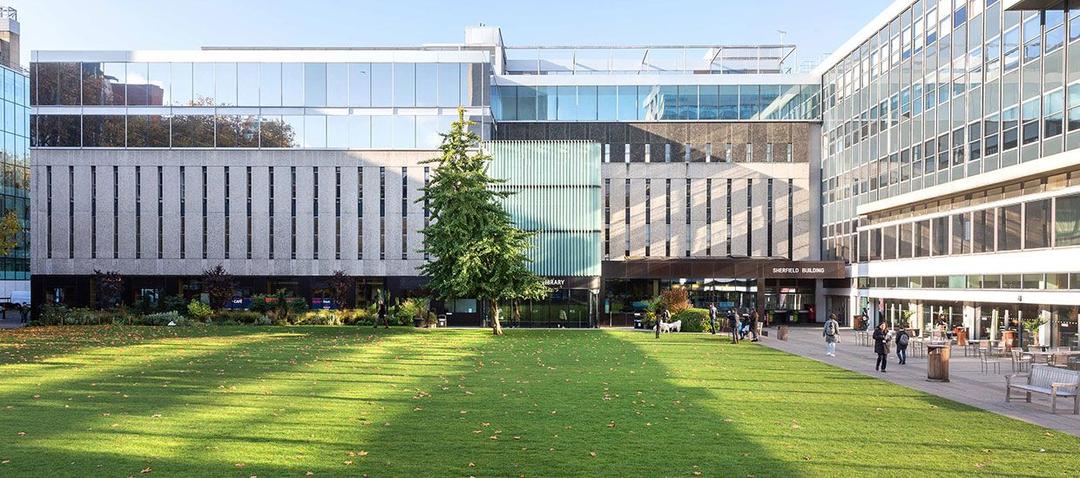
Imperial College London operates primarily from its South Kensington campus, one of London's most prestigious areas. The campus is modern and purpose-built for scientific research, featuring state-of-the-art laboratories and libraries. Students benefit from proximity to world-class museums like the Science Museum and Natural History Museum.
The student body tends to be internationally diverse but academically focused, with strong emphasis on research and innovation. Social life often revolves around academic societies, sports clubs, and the vibrant South Kensington area.
LSE is located in Holborn, right in central London between the City financial district and the West End. The campus is more integrated into London's urban fabric, creating a unique atmosphere where academic life blends seamlessly with city life.
LSE students typically engage more with London's cultural and political scene, with easy access to theaters, galleries, and government institutions. The student body is highly international and politically engaged, creating a dynamic intellectual environment.
Courses & Specializations
Imperial College London focuses exclusively on STEM fields, offering world-leading programmes in:
- Engineering (all disciplines)
- Natural Sciences (Physics, Chemistry, Biology)
- Medicine and Life Sciences
- Computing and Data Science
- Business School (MBA and MSc programmes)
The curriculum emphasizes practical application, research opportunities, and industry collaboration. Many programmes include placement years or industry projects.
LSE specializes in social sciences with particular strength in:
- Economics and Econometrics
- Finance and Accounting
- International Relations
- Politics and Government
- Law and Legal Studies
- Sociology and Anthropology
LSE's programmes typically combine theoretical rigor with policy relevance, preparing students for careers in government, international organizations, and the private sector. You can browse available courses to explore specific programme options at both universities.
Graduate Outcomes & Career Prospects
Imperial College London graduates enjoy exceptional employment prospects, with over 95% securing employment or further study within six months of graduation. Starting salaries typically range from £35,000-£55,000, with engineering and computing graduates often commanding premium salaries. Major employers include Google, Microsoft, Goldman Sachs, and leading engineering firms.
LSE graduates are equally well-positioned, with around 90-95% employed within six months. Starting salaries generally range from £30,000-£50,000, with finance and consulting roles often exceeding £60,000. Top employers include JPMorgan Chase, McKinsey & Company, the UK Civil Service, and international organizations like the World Bank.
Both universities have extensive alumni networks in key global cities, providing valuable networking opportunities for international students.
Scholarships & Financial Support
Imperial College London offers various scholarships for international students, including:
- President's Undergraduate Scholarships (£2,000-£5,000)
- Imperial College PhD Scholarships (full funding available)
- Country-specific scholarships (varies by region)
- Merit-based awards for exceptional candidates
LSE provides several funding options:
- LSE Undergraduate Support Scheme (means-tested)
- Graduate Support Scheme (up to £15,000)
- Country and region-specific scholarships
- External funding partnerships with governments and organizations
Both universities recommend applying for scholarships early, as competition is intense and deadlines vary throughout the academic year.
Campus & Facilities
Imperial College London features cutting-edge facilities including the Imperial College Business School building, advanced research laboratories, and the Central Library. The campus emphasizes technology integration and collaborative learning spaces. Sports facilities include the Ethos Sports Centre with modern gym and fitness facilities.
LSE operates from historic buildings around Lincoln's Inn Fields, recently enhanced with modern facilities like the New Academic Building and Marshall Building. The campus combines traditional architecture with contemporary learning spaces, reflecting LSE's blend of heritage and innovation.
Imperial College London - Pros & Cons
Pros: ✅ Global top 10 ranking ✅ Exceptional STEM reputation ✅ High graduate salaries ✅ Strong industry connections ✅ Modern facilities ✅ Research opportunities
Cons: ❌ Very high tuition fees ❌ Extremely competitive admission ❌ Limited subject diversity ❌ Intense academic pressure ❌ High cost of living in South Kensington
London School of Economics - Pros & Cons
Pros: ✅ World-leading social sciences ✅ Central London location ✅ Strong alumni network ✅ International perspective ✅ Policy-relevant education ✅ Prestigious reputation in finance/government
Cons: ❌ High competition for places ❌ Expensive London living costs ❌ Limited subject range ❌ Less hands-on/practical learning ❌ High academic pressure
Which One is Right for You?
Choose Imperial College London if you:
- Want to pursue STEM fields (engineering, science, medicine)
- Prefer practical, research-oriented learning
- Aim for careers in technology, engineering, or scientific research
- Value modern facilities and cutting-edge equipment
- Are comfortable with intense academic competition
Choose LSE if you:
- Are passionate about economics, politics, or social sciences
- Want to work in finance, government, or international organizations
- Prefer theoretical and analytical approaches to learning
- Value central London location and cultural access
- Are interested in policy-making and social impact
Consider your career goals carefully: If you're interested in quantitative finance, both universities offer excellent pathways, but through different approaches. Imperial's focus on mathematical modeling and LSE's emphasis on economic theory both lead to successful careers in this field.
Conclusion
Both Imperial College London and LSE represent exceptional choices for international students, but they serve fundamentally different academic interests. Imperial excels in STEM education with world-class facilities and research opportunities, while LSE dominates social sciences with unparalleled expertise in economics and politics. Your choice should align with your academic passions, career aspirations, and learning preferences. Both universities will challenge you academically and provide access to outstanding career opportunities in their respective fields.
Key Statistics
📊 Imperial typically ranks 6th-10th globally while LSE ranks 35th-50th overall
📊 Imperial tuition ranges £32,000-£45,000 vs LSE's £25,000-£35,000
📊 Both universities have 10-15% acceptance rates for international students
📊 Imperial graduates start at £35,000-£55,000 vs LSE's £30,000-£50,000
Frequently Asked Questions
Which is harder to get into, Imperial College London or LSE?
Both universities are extremely competitive with similar acceptance rates of 10-15% for international students. Imperial typically requires higher grades for STEM subjects (AAA), while LSE demands strong performance in humanities subjects and higher IELTS scores (7.0-7.5). The difficulty depends on your subject choice and academic background.
Is Imperial College London more prestigious than LSE?
Both are prestigious but in different fields. Imperial ranks higher overall (top 10 globally) and dominates STEM rankings, while LSE is the world's leading social science university. In international business and finance circles, both carry equal weight, but Imperial has stronger recognition in technology sectors.
Which university offers better career prospects for international students?
Both offer excellent career prospects but in different sectors. Imperial graduates typically enter technology, engineering, and quantitative finance with starting salaries of £35,000-£55,000. LSE graduates often pursue careers in investment banking, consulting, and government with starting salaries of £30,000-£50,000. The choice depends on your career interests.
How do living costs compare between Imperial and LSE locations?
Both universities are in central London with similar living costs of £15,000-£20,000 annually. Imperial's South Kensington location tends to be slightly more expensive for accommodation, while LSE's Holborn location offers more varied housing options. Both areas provide excellent transport links and cultural amenities.
Which university is better for international networking?
Both excel in international networking but serve different professional networks. LSE has stronger connections in finance, government, and international organizations, with alumni in central banks and multinational corporations. Imperial's network dominates technology, engineering, and scientific research sectors. Both have extensive global alumni presence.
Can I switch between subjects at Imperial or LSE?
Subject switching is limited at both universities due to their specialized nature. Imperial focuses exclusively on STEM fields, making switches possible within science/engineering but not to humanities. LSE specializes in social sciences, allowing some flexibility within economics, politics, and related fields, but STEM options are unavailable. Plan your subject choice carefully before applying.
Key Takeaways
✅ Imperial excels in STEM with top 10 global rankings, while LSE dominates social sciences with world-leading economics programmes
✅ Imperial charges £32,000-£45,000 annually vs LSE's £25,000-£35,000, but both offer excellent ROI through high graduate salaries
✅ Both universities are extremely competitive with 10-15% acceptance rates and require exceptional academic credentials
✅ Choose Imperial for careers in technology, engineering, and scientific research; choose LSE for finance, government, and international organizations