




Imperial College London vs University of Birmingham: Which is Better for International Students 2026?
— 9 min read read

CourseOptions Team
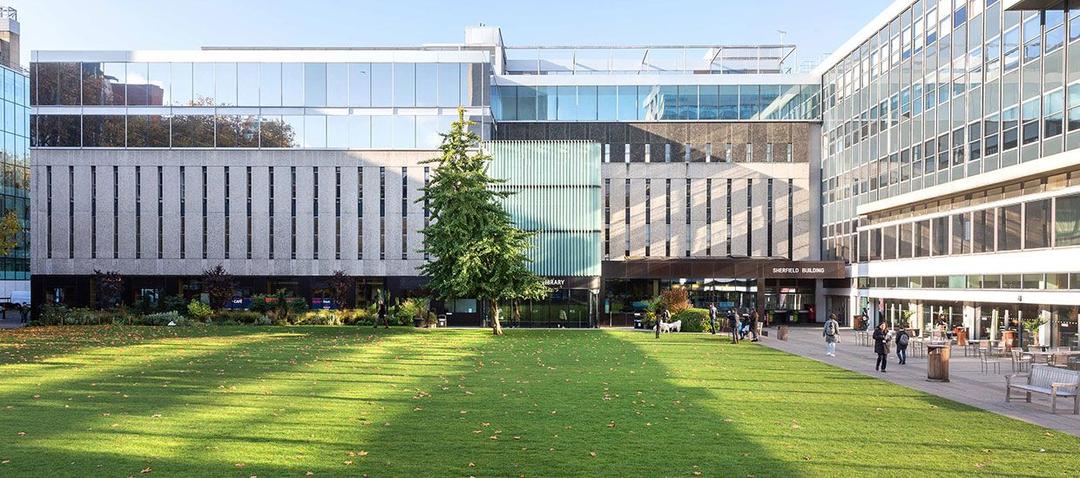
Quick Answer: Imperial College London excels in STEM fields with world-class research and London location but comes with higher costs. University of Birmingham offers excellent value, diverse programmes, and a more affordable student experience while maintaining strong Russell Group standards.
Choosing between Imperial College London and University of Birmingham represents a classic dilemma for international students: prestige versus value. Both are prestigious Russell Group universities with excellent reputations, but they offer distinctly different experiences and opportunities.
Imperial College London stands as one of the world's leading science and technology universities, consistently ranking among the top 10 globally. Meanwhile, University of Birmingham combines academic excellence with affordability and a comprehensive range of programmes, making it an attractive option for students seeking quality education without the premium price tag.
| Factor | Imperial College London | University of Birmingham |
|---|---|---|
| Global Ranking (QS 2026) | Top 10 worldwide | Top 100 worldwide |
| Tuition Fees | £34,000-£50,000+ per year | £22,000-£28,000 per year |
| Entry Requirements | AAA-A*AA (IELTS 7.0+) | AAB-AAA (IELTS 6.0-6.5) |
| Location | Central London | Birmingham city centre |
| Student Population | ~19,000 (40% international) | ~35,000 (25% international) |
| Programme Focus | STEM-focused | Comprehensive range |
| Graduate Employment | 95%+ within 6 months | 90%+ within 6 months |
⚠️ Data Disclaimer: Fees, rankings, and requirements shown are approximate and based on 2026 data. Always verify current information on official university websites before making decisions.
Rankings & Reputation
Imperial College London consistently ranks among the world's elite universities, typically placing 6th-8th in QS World University Rankings and maintaining its position as the UK's top university for engineering and technology. The university's reputation in STEM fields is unparalleled, with particular strength in:
- Engineering (top 5 globally)
- Medicine (top 10 globally)
- Natural Sciences (top 15 globally)
- Business School (top 20 globally)
University of Birmingham holds a strong position in the top 100 worldwide rankings and is consistently rated among the UK's top 20 universities. While not matching Imperial's global prestige, Birmingham excels in specific areas:
- Dentistry (top 20 globally)
- Sports Science (top 10 globally)
- English Language & Literature (top 50 globally)
- Business & Management (top 100 globally)
Imperial's brand recognition opens doors globally, particularly in scientific and technical industries, while Birmingham's reputation provides excellent opportunities across diverse sectors.
Tuition Fees
Imperial College London represents a significant financial investment for international students:
- Undergraduate programmes: £34,000-£50,000+ per year
- Medicine programmes: £48,000+ per year
- Postgraduate programmes: £30,000-£55,000+ per year
- Additional costs for London living: £15,000-£20,000+ per year
University of Birmingham offers considerably more affordable options:
- Undergraduate programmes: £22,000-£28,000 per year
- Medicine programmes: £40,000+ per year
- Postgraduate programmes: £20,000-£35,000 per year
- Living costs in Birmingham: £10,000-£13,000 per year
Birmingham provides approximately £15,000-£20,000 annual savings in tuition alone, with additional savings of £5,000+ in living costs.
Entry Requirements
Imperial College London maintains highly competitive entry standards:
- A-levels: Typically AAA to A*AA, often requiring specific subjects
- IB: 39-42 points with higher level requirements
- IELTS: 7.0 overall (6.5 minimum in each component)
- Strong mathematics and science background essential
- Additional entrance tests for some programmes
University of Birmingham offers more accessible entry requirements:
- A-levels: Generally AAB to AAA depending on programme
- IB: 32-36 points
- IELTS: 6.0-6.5 overall (5.5-6.0 in each component)
- Subject-specific requirements vary by programme
- Foundation programmes available for international students
Birmingham's requirements are generally one grade lower than Imperial's, making it more accessible to international students.
Location & Student Life
Imperial College London offers the ultimate urban university experience:
- Located in South Kensington, one of London's most prestigious areas
- Walking distance to world-class museums and cultural attractions
- Extensive internship and career opportunities in London
- Higher cost of living but unmatched city experiences
- Diverse, international student community
- Limited campus feel due to urban setting
University of Birmingham provides a balanced university experience:
- Purpose-built campus (Redbrick university) with green spaces
- Birmingham is the UK's second-largest city with growing opportunities
- More affordable lifestyle and entertainment options
- Strong sense of community and traditional university atmosphere
- Easy access to London (1.5 hours by train)
- Vibrant student nightlife and societies
London offers unparalleled opportunities but at premium costs, while Birmingham provides excellent value with a more traditional university experience.
Courses & Specializations
Imperial College London focuses exclusively on STEM and business:
- Engineering: World-renowned programmes across all disciplines
- Natural Sciences: Leading research in physics, chemistry, mathematics
- Medicine: One of the UK's top medical schools
- Computing: Cutting-edge programmes in AI and data science
- Business School: MBA and management programmes
University of Birmingham offers comprehensive programme diversity:
- Medicine and Dentistry: Highly regarded healthcare programmes
- Engineering: Strong programmes with industry connections
- Arts and Humanities: Wide range including English, History, Languages
- Social Sciences: Psychology, Economics, Political Science
- Business: Well-established business school
- Sport and Exercise Sciences: Leading UK programmes
Imperial's specialization means deeper expertise in STEM, while Birmingham's breadth allows for interdisciplinary study and career flexibility.
Graduate Outcomes
Imperial College London graduates command premium salaries:
- Graduate employment rate: 95%+ within six months
- Average starting salaries: £35,000-£50,000+
- High demand from top-tier employers (Google, Microsoft, Goldman Sachs)
- Strong alumni network in senior positions globally
- Excellent progression to PhD and research positions
University of Birmingham graduates achieve strong outcomes:
- Graduate employment rate: 90%+ within six months
- Average starting salaries: £25,000-£35,000
- Good connections with regional and national employers
- Strong alumni network across diverse industries
- Solid foundation for further study and research
Imperial graduates typically command higher starting salaries, but Birmingham graduates achieve excellent outcomes across broader sectors.
Scholarships & Financial Support
Imperial College London offers competitive scholarships:
- President's Undergraduate Scholarships: Up to £40,000 over three years
- Graduate School Scholarships: Various amounts available
- International Excellence Scholarships: Merit-based funding
- Limited availability due to high competition
University of Birmingham provides more accessible funding:
- International Academic Scholarships: £2,000-£10,000 per year
- Sports Scholarships: For talented athletes
- Country-specific scholarships available
- More opportunities due to larger cohort sizes
- Partial fee waivers available for exceptional candidates
You can browse available courses at both universities to explore specific programme scholarships and funding opportunities.
Campus & Facilities
Imperial College London offers world-class facilities:
- State-of-the-art laboratories and research centres
- Modern libraries with extensive digital resources
- Limited student accommodation (guarantee for first years)
- Excellent sports facilities at multiple London locations
- Close to Royal Albert Hall and Hyde Park
University of Birmingham provides comprehensive campus facilities:
- Historic redbrick buildings with modern additions
- Extensive library system including specialized collections
- Guaranteed accommodation for international students
- Large sports centre with Olympic-standard facilities
- Beautiful campus with green spaces and lakes
- On-campus shopping and dining options
Imperial excels in cutting-edge research facilities, while Birmingham offers a more complete campus experience.
Imperial College London - Pros & Cons
Pros: ✅ World-class reputation, ✅ Premium research opportunities, ✅ London location advantages, ✅ High graduate salaries, ✅ Top-tier industry connections, ✅ Cutting-edge facilities
Cons: ❌ Very expensive tuition and living costs, ❌ Extremely competitive entry, ❌ Limited programme diversity, ❌ Intense academic pressure, ❌ Less traditional university experience
University of Birmingham - Pros & Cons
Pros: ✅ Excellent value for money, ✅ More accessible entry requirements, ✅ Diverse programme options, ✅ Traditional campus experience, ✅ Strong community feel, ✅ Good scholarship availability
Cons: ❌ Lower global ranking, ❌ Less prestigious brand, ❌ Fewer London networking opportunities, ❌ Lower average graduate salaries, ❌ Less cutting-edge research funding
Which One is Right for You?
Choose Imperial College London if you:
- Have exceptional academic credentials and can meet high entry requirements
- Are passionate about STEM fields and want world-class research opportunities
- Can afford the premium costs (£50,000+ total annual expenses)
- Prioritize global brand recognition and prestige
- Thrive in competitive, high-pressure environments
- Want direct access to London's opportunities and networks
Choose University of Birmingham if you:
- Seek excellent education at more affordable costs
- Want a broader range of programme options
- Prefer a traditional university campus experience
- Value strong community feel and student support
- Need more accessible entry requirements
- Want good value for your educational investment
Conclusion
Both Imperial College London and University of Birmingham offer excellent opportunities for international students, but serve different needs and circumstances. Imperial provides unparalleled prestige and opportunities in STEM fields, while Birmingham delivers outstanding value and comprehensive university experience. Your choice should align with your academic interests, financial capacity, and career aspirations. Consider visiting both campuses and speaking with current students to make the most informed decision for your future.
Key Statistics
📊 Imperial College London ranks in top 10 globally while Birmingham ranks in top 100
📊 Imperial tuition costs £15,000-£25,000 more annually than Birmingham
📊 Imperial graduates earn £10,000-£15,000 higher starting salaries on average
📊 Birmingham has 75% more total students, offering larger community experience
Frequently Asked Questions
Which university is better for international students - Imperial or Birmingham?
Both are excellent Russell Group universities but serve different needs. Imperial offers world-class prestige and STEM opportunities at premium costs, while Birmingham provides outstanding value with diverse programmes and more accessible entry requirements. Choose based on your field of study, budget, and career goals.
How much more expensive is Imperial College London compared to Birmingham?
Imperial typically costs £15,000-£25,000 more per year in tuition fees, plus an additional £5,000-£7,000 in living costs due to London location. Total additional cost can reach £20,000-£30,000+ annually compared to Birmingham.
Are entry requirements much higher for Imperial College London?
Yes, Imperial typically requires AAA-A*AA grades and IELTS 7.0+, while Birmingham generally accepts AAB-AAA grades with IELTS 6.0-6.5. Imperial's requirements are approximately one grade higher across most programmes.
Which university has better graduate employment rates?
Imperial has slightly higher employment rates (95%+ vs 90%+) and significantly higher average starting salaries (£35,000-£50,000+ vs £25,000-£35,000). However, both universities achieve excellent graduate outcomes with strong industry connections.
Is Birmingham's location a disadvantage compared to London?
Not necessarily. While London offers more internship opportunities and cultural attractions, Birmingham provides excellent value, is the UK's second-largest city with growing opportunities, and offers easy access to London (1.5 hours by train) at much lower living costs.
Which university offers more scholarship opportunities for international students?
Birmingham generally offers more accessible scholarship opportunities with various awards ranging £2,000-£10,000 per year, while Imperial's scholarships are more competitive but potentially higher value (up to £40,000 over three years). Birmingham's larger cohort means more total opportunities available.
Key Takeaways
✅ Imperial excels in STEM prestige and global recognition but requires significant financial investment
✅ Birmingham offers excellent value education with diverse programmes and traditional campus experience
✅ Both are Russell Group universities with strong graduate outcomes and industry connections
✅ Choose based on your field of study, budget constraints, and preferred university experience