




University of Glasgow vs University of Leeds: Which is Better for International Students 2026?
— 10 min read read

CourseOptions Team
University of Glasgow vs University of Leeds: Which is Better for International Students 2026?
Quick Answer: Both universities offer excellent education with Glasgow typically ranking higher globally (QS 78 vs 86) and Leeds being more affordable with generally lower living costs. Glasgow excels in research and has a historic campus, while Leeds offers stronger industry connections and a vibrant student city atmosphere.
Choosing between the University of Glasgow and University of Leeds represents a decision between two prestigious Russell Group institutions, each offering distinct advantages for international students. Both universities have built strong reputations over centuries, but they cater to different student preferences and career aspirations.
While Glasgow brings the prestige of Scotland's academic heritage and research excellence, Leeds offers a dynamic English university experience with strong industry partnerships. Understanding these differences is crucial for making an informed decision about your academic future in the UK.
Quick Comparison Table
| Factor | University of Glasgow | University of Leeds |
|---|---|---|
| Global Ranking (QS 2026) | Around 78-85 | Around 86-95 |
| Annual Tuition Fees | £22,000-£28,000 | £20,000-£26,000 |
| Entry Requirements | A-levels: AAB-A*AA, IELTS: 6.5-7.0 | A-levels: ABB-AAA, IELTS: 6.0-7.0 |
| Student Population | ~29,000 (25% international) | ~38,000 (22% international) |
| Location | Glasgow, Scotland | Leeds, England |
| Notable Strengths | Medicine, Engineering, Research | Business, Engineering, Social Sciences |
| Annual Living Costs | £10,000-£12,000 | £9,000-£11,000 |
| Graduate Employment Rate | 85-90% | 87-92% |
⚠️ Data Disclaimer: Fees, rankings, and requirements shown are approximate and based on 2026 data. Always verify current information on official university websites before making decisions.
Rankings & Reputation
University of Glasgow typically maintains a higher position in global rankings, usually placing in the top 80 universities worldwide according to QS World University Rankings 2026. The university's research output and academic reputation contribute significantly to these rankings, particularly in areas like medicine, engineering, and social sciences.
University of Leeds generally ranks in the 85-95 range globally but often outperforms Glasgow in specific subject areas and graduate employability metrics. Leeds has built a strong reputation for its industry partnerships and practical approach to education, which sometimes translates to better career outcomes despite slightly lower overall rankings.
Both universities are Russell Group members, ensuring research excellence and academic rigor. Glasgow's longer history (founded 1451 vs Leeds' 1904) contributes to its international prestige, while Leeds' more recent establishment has allowed for modern facilities and innovative teaching approaches.
Tuition Fees & Costs
University of Glasgow international tuition fees typically range from £22,000-£28,000 annually, with medical and dental programmes reaching up to £52,000-£58,000. The university offers various payment plans and the opportunity for Scottish students to study for free, though this doesn't apply to international students.
University of Leeds generally offers more competitive tuition rates, ranging from £20,000-£26,000 for most undergraduate programmes. Clinical programmes in medicine can cost £38,000-£45,000 annually. The lower baseline fees make Leeds more accessible for budget-conscious international students.
Living costs in Glasgow (£10,000-£12,000 annually) are comparable to Leeds (£9,000-£11,000), though Glasgow's city center accommodation can be more expensive. Both cities offer affordable options compared to London, with Leeds slightly edging out Glasgow for overall affordability.
Entry Requirements
University of Glasgow typically requires A-levels ranging from AAB to A*AA, depending on the programme. IELTS requirements usually fall between 6.5-7.0, with some programmes requiring higher scores. The university is known for its holistic admissions approach, considering personal statements and extracurricular activities alongside grades.
University of Leeds entry requirements range from ABB to AAA for A-levels, with IELTS scores typically between 6.0-7.0. Some competitive programmes like medicine require A*AA. Leeds often emphasizes practical experience and relevant work placements in their admissions decisions, particularly for professional programmes.
Both universities accept a wide range of international qualifications and offer foundation programmes for students who don't meet direct entry requirements.
Location & Student Life
Glasgow offers the quintessential Scottish university experience in Scotland's largest city. The vibrant cultural scene, historic architecture, and friendly local culture create an engaging environment. Glasgow's compact city center makes it easy to navigate, and the university's historic campus adds to the traditional university atmosphere.
Leeds provides a dynamic English city experience with a thriving student population comprising over 60,000 students across multiple institutions. The city's young demographic, extensive nightlife, shopping districts, and cultural venues create an energetic atmosphere. Leeds' central location offers excellent transport links to other UK cities.
Both cities offer rich cultural experiences, but Glasgow leans more toward arts and music, while Leeds emphasizes business and commerce alongside its cultural offerings.
Courses & Specializations
University of Glasgow excels in:
- Medicine and Life Sciences (top global rankings)
- Engineering and Technology
- Social Sciences and Law
- Creative Arts and Humanities
- Psychology and Neuroscience
The university's research-intensive approach means undergraduate students often have opportunities to engage with cutting-edge research projects.
University of Leeds is particularly strong in:
- Business and Management
- Engineering and Physical Sciences
- Social Sciences
- Communications and Media Studies
- Environmental Sciences
Leeds' industry partnerships often translate into better placement opportunities and practical learning experiences for students.
Graduate Outcomes
University of Glasgow graduates typically achieve employment rates of 85-90% within six months of graduation. Starting salaries often range from £22,000-£35,000, with significant variation by field. The university's research reputation can be particularly beneficial for students pursuing academic or research careers.
University of Leeds often reports higher graduate employment rates of 87-92%, partly due to strong industry connections and career services. Graduate starting salaries typically range from £23,000-£38,000. The university's emphasis on employability skills and industry placements often leads to stronger immediate career prospects.
Both universities offer excellent alumni networks, though Leeds' network tends to be more concentrated in business and industry, while Glasgow's spans more academic and research sectors.
Scholarships & Financial Aid
University of Glasgow offers various scholarships for international students, including:
- Glasgow International Leadership Scholarships (£10,000)
- Subject-specific scholarships ranging from £2,000-£5,000
- Merit-based awards for exceptional academic performance
University of Leeds provides competitive scholarship opportunities:
- Leeds International Scholarship (£2,500-£5,000)
- Faculty-specific awards
- Sports and achievement scholarships
Both universities encourage early applications for scholarship consideration, with deadlines typically falling between January and March for September entry.
Campus & Facilities
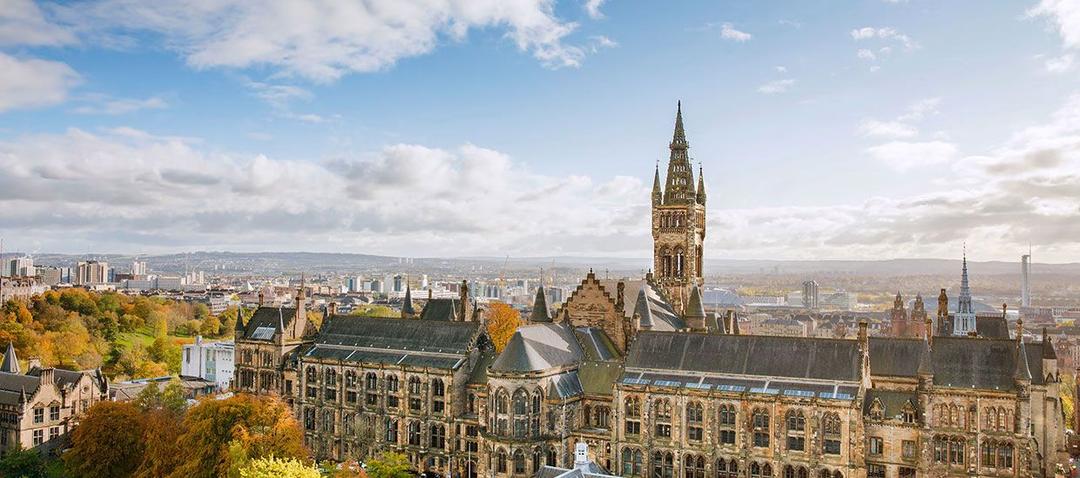
University of Glasgow features a stunning Gothic Revival campus with modern research facilities. The historic Main Building contrasts beautifully with state-of-the-art laboratories and libraries. The campus's compact nature creates a strong sense of community among students.
University of Leeds offers a mix of historic and contemporary buildings spread across a larger campus. Modern facilities include excellent engineering laboratories, business simulation centers, and extensive sports complexes. The campus's integration with the city creates a more urban university experience.
Both universities invest heavily in facilities, with Glasgow focusing on research infrastructure and Leeds emphasizing practical learning spaces and student amenities.
University of Glasgow - Pros & Cons
Pros: ✅ Higher global rankings and research reputation ✅ Historic, picturesque campus atmosphere ✅ Strong academic tradition and prestige ✅ Excellent research opportunities for undergraduates ✅ Diverse international student community ✅ Beautiful Scottish city location
Cons: ❌ Generally higher tuition fees ❌ More competitive admission requirements ❌ Limited industry placement opportunities ❌ Weather can be challenging ❌ Smaller city with fewer major employers
University of Leeds - Pros & Cons
Pros: ✅ More affordable tuition and living costs ✅ Excellent graduate employment rates ✅ Strong industry connections and placement opportunities ✅ Vibrant student city atmosphere ✅ Modern facilities and teaching approaches ✅ Better transport connectivity within UK
Cons: ❌ Slightly lower global rankings ❌ Less prestigious international reputation ❌ Larger student body may feel less personal ❌ More urban, less traditional campus feel ❌ Higher competition for popular courses due to size
Which One is Right for You?
Choose University of Glasgow if you:
- Prioritize academic prestige and global rankings
- Want a traditional, historic university experience
- Are interested in research-intensive programmes
- Prefer a smaller, more intimate campus community
- Are drawn to Scottish culture and lifestyle
- Can afford higher tuition fees for perceived prestige
Choose University of Leeds if you:
- Value practical, industry-focused education
- Want better immediate career prospects
- Prefer more affordable tuition and living costs
- Enjoy vibrant city life with extensive student activities
- Prioritize modern facilities and teaching methods
- Want easier access to internships and work placements
When making your final decision, consider visiting both universities if possible and explore all UK universities to ensure you're making the best choice for your specific academic and career goals.
Conclusion
Both Glasgow and Leeds offer exceptional educational opportunities within the Russell Group framework, but they cater to different student priorities. Glasgow provides prestige and research excellence in a historic setting, while Leeds offers practical education and career focus in a dynamic student city. Your choice should align with your academic interests, career goals, budget considerations, and preferred university experience. Both institutions will provide you with a world-class education and open doors to successful careers globally.
Key Statistics
📊 Glasgow ranks approximately 78-85 globally while Leeds ranks 86-95 in QS World University Rankings 2026
📊 Leeds offers tuition fees £2,000-£4,000 lower annually than Glasgow for most programmes
📊 Leeds has a higher graduate employment rate (87-92%) compared to Glasgow (85-90%)
📊 Glasgow has 25% international students vs Leeds' 22%, indicating stronger global appeal
Frequently Asked Questions
Which university has better global rankings - Glasgow or Leeds?
University of Glasgow typically ranks higher globally, usually placing around 78-85 in QS World University Rankings compared to Leeds' 86-95 position. However, Leeds often outperforms Glasgow in specific subject areas and graduate employability metrics. Both are Russell Group universities ensuring high academic standards.
Is University of Leeds or Glasgow more affordable for international students?
University of Leeds is generally more affordable, with tuition fees ranging from £20,000-£26,000 compared to Glasgow's £22,000-£28,000. Living costs are also slightly lower in Leeds (£9,000-£11,000 annually) compared to Glasgow (£10,000-£12,000), making Leeds the more budget-friendly option overall.
Which university offers better career prospects after graduation?
Leeds typically offers better immediate career prospects with graduate employment rates of 87-92% compared to Glasgow's 85-90%. Leeds' strong industry partnerships and focus on practical skills often translate to better placement opportunities and starting salaries ranging £23,000-£38,000 vs Glasgow's £22,000-£35,000.
What are the main differences in campus life between Glasgow and Leeds?
Glasgow offers a traditional, historic campus experience with Gothic architecture and a close-knit community feel in Scotland's largest city. Leeds provides a more modern, urban university experience with extensive student nightlife and a larger student population (60,000+ across the city) creating a vibrant atmosphere.
Which university is harder to get into - Glasgow or Leeds?
Glasgow generally has more competitive entry requirements, typically requiring A-levels from AAB to A*AA compared to Leeds' ABB to AAA. Glasgow also often requires higher IELTS scores (6.5-7.0 vs 6.0-7.0). However, both universities consider holistic applications beyond just grades.
Should I choose Glasgow or Leeds for business studies?
For business studies, Leeds often has the edge due to stronger industry connections, modern business facilities, and higher graduate employment rates in the business sector. However, Glasgow's prestigious reputation and research focus may benefit those considering academic or consulting careers. Both offer excellent business programmes with different strengths.
Key Takeaways
✅ Glasgow ranks higher globally but Leeds offers better graduate employment rates and industry connections
✅ Leeds is more affordable overall with lower tuition fees (£2,000-£4,000 less annually) and living costs
✅ Glasgow provides a traditional, research-focused university experience while Leeds emphasizes practical, industry-relevant education
✅ Both are Russell Group universities ensuring high academic standards, but cater to different student priorities and career goals