




University of Cambridge vs University of Warwick: Which is Better for International Students 2026?
— 10 min read read

CourseOptions Team
University of Cambridge vs University of Warwick: Which is Better for International Students 2026?
Quick Answer: Cambridge offers unparalleled global prestige and world-class research but with extremely competitive entry and higher costs (£24K-£63K). Warwick provides excellent value with strong industry connections and modern facilities at more accessible entry requirements and fees (£20K-£29K).
Choosing between the University of Cambridge and the University of Warwick represents a decision between two distinct educational philosophies. Cambridge, founded in 1209, stands as one of the world's most prestigious institutions with an 800-year legacy of academic excellence. Warwick, established in 1965, embodies modern innovation with strong industry partnerships and a reputation for graduate employability.
Both universities belong to the Russell Group, ensuring world-class research and teaching standards. However, they offer vastly different experiences for international students, from admission requirements to campus culture and post-graduation opportunities.
Quick Comparison Table
| Factor | University of Cambridge | University of Warwick |
|---|---|---|
| Global Ranking (QS 2026) | Top 5 worldwide | Top 70 worldwide |
| Tuition Fees (International) | £24,000-£63,000 per year | £20,000-£29,000 per year |
| Entry Requirements | AAA-A*AA typically | AAB-AAA typically |
| IELTS Requirement | 7.0-7.5 overall | 6.5-7.0 overall |
| Location | Historic Cambridge city | Modern Coventry campus |
| Student Population | ~24,000 (40% international) | ~28,000 (35% international) |
| Graduate Employment | 95%+ within 6 months | 93%+ within 6 months |
| Notable Strengths | Research, prestige, alumni network | Business, engineering, modern facilities |
⚠️ Data Disclaimer: Fees, rankings, and requirements shown are approximate and based on 2026 data. Always verify current information on official university websites before making decisions.
Rankings & Global Reputation
University of Cambridge consistently ranks in the global top 5, holding the #2 position in QS World University Rankings 2026. Its reputation spans centuries, with 121 Nobel Prize winners among its alumni and faculty. Cambridge dominates subject rankings across disciplines, particularly in natural sciences, mathematics, and humanities.
University of Warwick maintains a strong position in the top 70 globally and top 10 in the UK. While younger, Warwick has rapidly built an impressive reputation, particularly for business studies (#6 globally), economics, and engineering. Its Warwick Business School consistently ranks among Europe's elite business schools.
The prestige gap is significant - Cambridge opens doors globally that few other institutions can match. However, Warwick's modern reputation and industry connections provide substantial career advantages, particularly in business and technology sectors.
Tuition Fees & Financial Considerations
University of Cambridge fees vary dramatically by programme:
- Arts/Humanities: £24,000-£26,000 per year
- Sciences: £37,000-£40,000 per year
- Clinical Medicine: £60,000-£63,000 per year
- Engineering: £39,000-£41,000 per year
University of Warwick offers more consistent pricing:
- Most undergraduate programmes: £20,000-£25,000 per year
- Medicine: £47,000-£49,000 per year
- Laboratory-based courses: £25,000-£29,000 per year
- MBA programmes: £49,000-£55,000 per year
Living costs in Cambridge (£12,000-£15,000 annually) typically exceed those in Warwick (£9,000-£12,000 annually). Cambridge's total cost can reach £75,000+ annually for medical students, while Warwick rarely exceeds £40,000 annually.
Entry Requirements & Admissions
University of Cambridge maintains some of the world's most competitive entry standards:
- A-levels: Typically AAA-A*AA depending on programme
- IB: Generally 40-42+ points
- IELTS: 7.0-7.5 overall with specific band requirements
- Additional requirements: College interviews, written assessments, portfolio submissions
- Acceptance rates: Approximately 18-20% for international students
University of Warwick requires strong but more accessible grades:
- A-levels: Typically AAB-AAA depending on programme
- IB: Generally 34-38 points
- IELTS: 6.5-7.0 overall (varies by programme)
- Some programmes require interviews or portfolios
- Acceptance rates: Approximately 35-40% for international students
Cambridge's collegiate system adds complexity - students apply to specific colleges, each with unique requirements and selection processes. Warwick's centralized application system proves more straightforward for international students.
Location & Student Experience
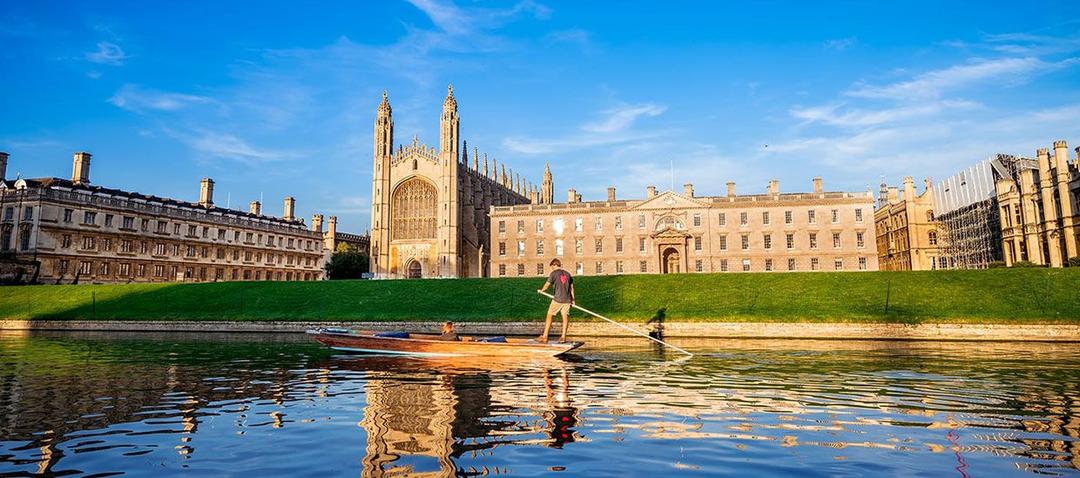
Cambridge offers an unparalleled historical setting with world-famous architecture, punting on the River Cam, and centuries-old traditions. The collegiate system creates intimate learning communities within the larger university. However, the city can feel touristy and expensive, with limited nightlife compared to major cities.
Warwick operates from a purpose-built campus near Coventry, offering modern facilities and a cohesive university experience. The campus features state-of-the-art sports facilities, multiple libraries, and extensive green spaces. Students can easily access Birmingham (20 minutes) and London (1 hour) by train.
Cambridge provides cultural immersion in British academic tradition, while Warwick offers practical convenience and modern amenities. International students at Cambridge often find the collegiate system either deeply rewarding or potentially isolating, depending on college placement.
Academic Programmes & Specializations
University of Cambridge excels across all disciplines but particularly dominates:
- Natural Sciences and Mathematics
- Philosophy and Classics
- History and English Literature
- Computer Science and Engineering
- Medicine and Veterinary Sciences
The university's supervision system provides unmatched personalized attention, with world-leading academics mentoring small groups of students.
University of Warwick has built particular strength in:
- Business and Management Studies
- Economics and Finance
- Engineering (automotive, manufacturing)
- Mathematics and Statistics
- Politics and International Studies
- Psychology
Warwick's programmes emphasize practical application and industry relevance, with extensive placement opportunities and corporate partnerships enhancing employability.
Graduate Outcomes & Career Prospects
University of Cambridge graduates command exceptional starting salaries:
- Average graduate salary: £35,000-£45,000
- Investment banking/consulting: £60,000-£80,000+
- Research positions: £28,000-£35,000
- 95%+ employment rate within 6 months
The Cambridge network opens doors to elite graduate programmes, prestigious research positions, and leadership roles across sectors.
University of Warwick achieves impressive employment outcomes:
- Average graduate salary: £25,000-£35,000
- Business/finance roles: £30,000-£50,000
- Engineering positions: £28,000-£38,000
- 93%+ employment rate within 6 months
Warwick's strong industry connections facilitate graduate recruitment, with many programmes offering integrated placement years that lead to graduate job offers.
Scholarships & Financial Support
University of Cambridge offers various international scholarships:
- Cambridge International Scholarships: Full funding for PhD students
- Gates Cambridge Scholarships: Full funding for outstanding applicants
- College-specific awards: Varies by college
- Need-based support available but limited
University of Warwick provides accessible funding options:
- Warwick Undergraduate Global Excellence Scholarships: Up to £4,000 annually
- Chancellor's International Scholarships: Up to £17,000 over three years
- Subject-specific scholarships available
- More extensive need-based support programmes
Warwick generally offers more accessible financial support for international students, while Cambridge's scholarships are highly competitive but potentially more generous.
Campus Facilities & Resources
University of Cambridge offers historic college buildings alongside modern facilities:
- 31 colleges with unique character and facilities
- University Library with 15+ million items
- World-class museums and collections
- Traditional sports facilities and societies
- Limited modern recreational facilities
University of Warwick provides comprehensive modern facilities:
- Award-winning Sports and Wellness Hub
- Modern library with 24/7 study spaces
- Purpose-built academic facilities
- Extensive computing resources
- Contemporary student accommodation
When exploring your options, you can explore all UK universities to understand the full landscape of higher education choices available.
University of Cambridge - Pros & Cons
Pros: ✅ Unmatched global prestige and recognition, ✅ World-leading research opportunities, ✅ Exceptional alumni network, ✅ Personalized supervision system, ✅ Historic and culturally rich environment, ✅ Access to exclusive career opportunities
Cons: ❌ Extremely competitive entry requirements, ❌ Very high tuition and living costs, ❌ Intense academic pressure, ❌ Complex collegiate system may not suit all students, ❌ Limited financial aid availability, ❌ Traditional environment may feel restrictive
University of Warwick - Pros & Cons
Pros: ✅ More accessible entry requirements, ✅ Lower tuition fees and living costs, ✅ Strong industry connections and employability, ✅ Modern facilities and campus, ✅ Practical, career-focused programmes, ✅ Good work-life balance
Cons: ❌ Less global prestige than Cambridge, ❌ Younger institution with shorter history, ❌ Limited research reputation in some fields, ❌ Campus location lacks historic charm, ❌ Smaller alumni network, ❌ Less international recognition
Which One is Right for You?
Choose University of Cambridge if you:
- Have exceptional academic credentials (AAA+ grades)
- Can afford £40,000-£75,000+ annually
- Prioritize global prestige and recognition
- Thrive in traditional, high-pressure academic environments
- Seek world-class research opportunities
- Value historic tradition and collegiate culture
Choose University of Warwick if you:
- Have strong but more typical grades (AAB-AAA)
- Need more affordable education (£30,000-£40,000 annually)
- Prioritize employability and practical skills
- Prefer modern facilities and campus life
- Want strong industry connections
- Seek work-life balance during studies
Consider your field of study:
- STEM/Research: Cambridge offers unmatched opportunities
- Business/Economics: Both excel, but Warwick offers better value
- Humanities: Cambridge's prestige provides significant advantages
- Engineering: Warwick's industry connections may outweigh Cambridge's prestige
Conclusion
The choice between Cambridge and Warwick ultimately depends on your priorities, financial situation, and career goals. Cambridge offers unparalleled prestige and research opportunities but demands exceptional credentials and substantial financial resources. Warwick provides excellent education, strong career prospects, and modern facilities at more accessible entry requirements and costs. Both universities deliver outstanding outcomes for international students - the key is choosing the environment where you'll thrive personally and academically.
Key Statistics
📊 Cambridge ranks in global top 5 vs Warwick in top 70 worldwide
📊 Cambridge fees range £24K-£63K vs Warwick £20K-£29K annually
📊 Cambridge requires AAA-AAA vs Warwick AAB-AA*A grades
📊 Both achieve 93-95%+ graduate employment within 6 months
Frequently Asked Questions
Is Cambridge really worth the extra cost compared to Warwick?
Cambridge's higher fees (£24K-£63K vs £20K-£29K) reflect its global prestige and research excellence. For career paths requiring elite credentials (investment banking, academia, certain professional services), Cambridge's network and reputation can justify the cost. However, Warwick offers excellent value with strong industry connections and similar employment outcomes at significantly lower cost. Consider your career goals and financial situation carefully.
Which university is easier to get into for international students?
Warwick is considerably more accessible, with acceptance rates around 35-40% for international students compared to Cambridge's 18-20%. Warwick typically requires AAB-AAA grades while Cambridge demands AAA-A*AA. Cambridge also requires additional assessments, interviews, and college applications, making the process more complex and competitive.
How do graduate job prospects compare between the two universities?
Both universities achieve excellent employment outcomes (Cambridge 95%+, Warwick 93%+ within 6 months). Cambridge graduates typically command higher starting salaries (£35K-£45K vs £25K-£35K) and access to more prestigious employers. However, Warwick's strong industry partnerships and placement programmes provide excellent practical experience and direct recruitment opportunities, particularly in business and engineering sectors.
Which university offers better support for international students?
Both universities provide comprehensive international student support, but in different ways. Cambridge's collegiate system offers intimate support within college communities, though this can be inconsistent between colleges. Warwick provides centralized, systematic support services with dedicated international student advisors, orientation programmes, and consistent pastoral care across the university.
Are scholarships easier to get at Warwick compared to Cambridge?
Yes, Warwick generally offers more accessible scholarship opportunities for international students. While Cambridge's scholarships (like Gates Cambridge) are more prestigious and potentially generous, they're extremely competitive. Warwick provides more merit-based scholarships (up to £4,000 annually) and need-based support with higher success rates for applicants.
Which university is better for specific subjects like business or engineering?
For business studies, both excel but serve different purposes - Cambridge offers theoretical excellence and prestige, while Warwick provides practical, industry-focused training with strong corporate connections. For engineering, Cambridge has greater research prestige, but Warwick's industry partnerships and modern facilities offer excellent practical training and employment prospects. Consider whether you prioritize academic prestige or industry readiness.
Key Takeaways
✅ Cambridge offers unmatched global prestige but requires exceptional grades and higher costs
✅ Warwick provides excellent value with strong employability focus and more accessible entry
✅ Both achieve outstanding graduate employment rates (93-95%+ within 6 months)
✅ Choice depends on career goals, academic credentials, and financial capacity