




University of Cambridge vs University of Leeds: Which is Better for International Students 2026?
— 10 min read read

CourseOptions Team
Quick Answer: Cambridge offers world-class prestige and research opportunities but with extremely competitive entry requirements and higher costs. Leeds provides excellent education with more accessible entry requirements, vibrant student life, and better value for money, making it ideal for students seeking quality education without the intense pressure.
Choosing between the University of Cambridge and the University of Leeds represents a decision between two distinct educational philosophies within the UK's Russell Group. Cambridge, established in 1209, stands as one of the world's most prestigious universities, while Leeds, founded in 1904, has built a reputation for academic excellence combined with a more inclusive approach to higher education.
Both universities offer exceptional opportunities for international students, but they cater to different priorities and student profiles. Understanding these differences is crucial for making the right choice for your academic journey.
Quick Comparison Table
| Factor | University of Cambridge | University of Leeds |
|---|---|---|
| Global Ranking | Top 5 worldwide | Top 100-150 worldwide |
| Tuition Fees (2026) | £25,000-£65,000+ per year | £22,000-£32,000 per year |
| Entry Requirements | AAA-A*AA, IELTS 7.5+ | AAA-ABB, IELTS 6.0-7.0 |
| Student Population | ~24,000 (40% international) | ~38,000 (25% international) |
| Location | Historic city, expensive | Vibrant city, affordable |
| Notable Strengths | Research, prestige, networking | Diversity, student experience, value |
⚠️ Data Disclaimer: Fees, rankings, and requirements shown are approximate and based on 2026 data. Always verify current information on official university websites before making decisions.
Rankings & Reputation
University of Cambridge consistently ranks among the top 5 universities globally, holding positions in QS World University Rankings and Times Higher Education that few institutions can match. The university's reputation spans centuries, with Nobel laureates, prime ministers, and world leaders among its alumni. For international students, this translates to unparalleled global recognition and networking opportunities.
University of Leeds typically ranks within the top 100-150 globally and consistently places in the UK's top 20. While not matching Cambridge's prestige, Leeds has built a strong reputation for research quality, student satisfaction, and graduate employability. The university excels particularly in engineering, business, and social sciences, offering international students excellent career prospects without the overwhelming pressure of elite competition.
Subject rankings reveal interesting patterns. Cambridge dominates in traditional academic fields like mathematics, natural sciences, and philosophy, while Leeds shows particular strength in practical disciplines such as engineering, business studies, and media communications.
Tuition Fees & Value
The financial difference between these universities is substantial. Cambridge charges international students typically between £25,000-£35,000 for most undergraduate courses, with laboratory-based subjects and medicine reaching £65,000+ annually. The prestigious collegiate system and world-class facilities justify these premium fees for many students.
Leeds offers considerably more affordable education, with international fees generally ranging from £22,000-£32,000 per year across most programmes. This represents savings of £3,000-£15,000+ annually compared to Cambridge, making quality Russell Group education more accessible to a broader range of international students.
Beyond tuition, living costs differ significantly. Cambridge's historic city setting commands premium prices for accommodation and daily expenses, while Leeds offers a more affordable lifestyle without compromising on student experience.
Entry Requirements
The admission landscape reflects each university's positioning. Cambridge maintains extremely competitive entry requirements, typically demanding AAA to A*AA at A-level, with many courses requiring specific subjects. International students generally need IELTS 7.5+ across all components, and many programmes require additional admissions tests and interviews. The acceptance rate hovers around 20-25%, making admission highly selective.
Leeds adopts a more inclusive approach while maintaining high standards. Entry requirements typically range from AAA to ABB depending on the programme, with IELTS requirements usually between 6.0-7.0. The university considers a broader range of qualifications and backgrounds, making it more accessible to international students from diverse educational systems.
This difference in accessibility doesn't reflect quality but rather philosophy – Cambridge seeks the absolute elite, while Leeds focuses on identifying potential and nurturing diverse talent.
Location & Student Life
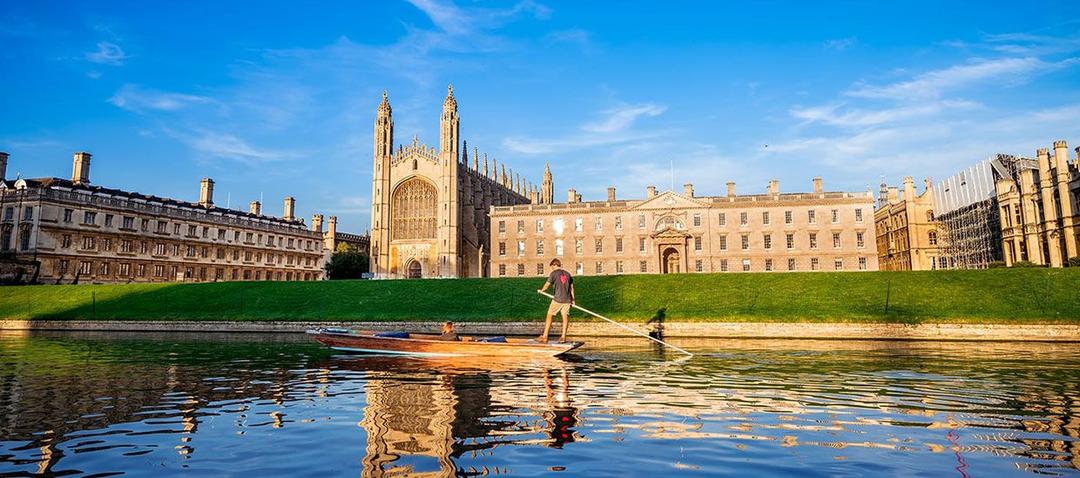
The university locations offer contrasting experiences. Cambridge provides an intimate, historic setting where the university dominates the city. The collegiate system creates small, tight-knit communities within the larger institution, fostering intense academic discourse but potentially limiting broader social experiences. The city's beauty and history create an inspiring environment, though the tourist presence and high costs can be overwhelming.
Leeds operates within England's third-largest city, offering vibrant nightlife, diverse cultural attractions, and extensive shopping and entertainment options. The university forms part of a broader urban landscape, providing students with more diverse social and career opportunities. The cost of living is significantly lower, allowing students more financial freedom to explore and enjoy their university years.
Student societies and extracurricular activities flourish at both institutions, though Leeds' larger student body supports more diverse interests and communities.
Courses & Specializations
Cambridge excels across traditional academic disciplines, with particular strength in:
- Natural Sciences (Physics, Chemistry, Biology)
- Mathematics and Engineering
- Medicine and Veterinary Science
- English Literature and History
- Economics and Philosophy
The university's supervision system provides unparalleled access to world-leading academics, creating exceptional research opportunities for motivated students.
Leeds has developed excellence in more applied and contemporary fields:
- Engineering (particularly Civil and Mechanical)
- Business and Management
- Communications and Media Studies
- International Development
- Fashion and Textiles
- Digital Technology
Leeds' industry connections often surpass Cambridge's in practical fields, providing international students with stronger professional networking opportunities in specific sectors.
Graduate Outcomes
Both universities deliver excellent graduate prospects, though through different pathways. Cambridge graduates command premium starting salaries, typically £35,000-£50,000+ for international students remaining in the UK, with exceptional opportunities in finance, consulting, and academia. The university's prestige opens doors globally, though the pressure and competition can be intense.
Leeds graduates enjoy strong employment rates with starting salaries typically ranging from £25,000-£40,000. The university's industry connections and practical focus often translate to smoother career transitions, with many international students finding excellent opportunities in their chosen fields without the intense competition faced by Cambridge graduates.
Employer recognition varies by sector – Cambridge dominates in traditional elite careers, while Leeds excels in emerging industries and practical professions.
Scholarships & Financial Support
Cambridge offers several prestigious scholarships for international students, including the Cambridge International Scholarship and college-specific awards. However, competition is fierce, and most international students receive limited financial support relative to the high costs.
Leeds provides more accessible scholarship opportunities, including merit-based awards, regional scholarships, and subject-specific funding. The lower overall costs combined with available financial support make Leeds education more financially viable for many international students.
Both universities offer payment plans and financial guidance, though Leeds' support tends to be more comprehensive for students from developing economies.
Campus & Facilities
Cambridge operates through its unique collegiate system, with each college providing accommodation, dining, and social facilities. The historic buildings and world-class libraries create an inspiring academic environment, though some facilities may feel traditional rather than modern.
Leeds has invested heavily in contemporary facilities, including state-of-the-art laboratories, modern lecture halls, and excellent student support services. The campus combines historic buildings with cutting-edge facilities, providing international students with comprehensive resources for both academic and personal development.
Both universities offer excellent sports facilities, though Leeds' larger campus provides more diverse recreational opportunities.
University of Cambridge - Pros & Cons
Pros: ✅ World-renowned prestige and recognition ✅ Exceptional academic opportunities and supervision ✅ Unparalleled networking and alumni connections ✅ Historic and inspiring environment ✅ World-class research facilities ✅ Strong graduate career prospects
Cons: ❌ Extremely competitive admission requirements ❌ Very high tuition and living costs ❌ Intense academic pressure and competition ❌ Limited diversity in student backgrounds ❌ Tourist-heavy location ❌ Traditional systems may feel restrictive
University of Leeds - Pros & Cons
Pros: ✅ More accessible entry requirements ✅ Excellent value for money ✅ Vibrant city location with lower living costs ✅ Diverse student community ✅ Strong industry connections ✅ Modern facilities and technology ✅ Comprehensive student support services
Cons: ❌ Less global prestige than Cambridge ❌ Larger class sizes in some programmes ❌ Less intensive supervision system ❌ Limited research opportunities for undergraduates ❌ Alumni network less influential in elite sectors ❌ Competition with other universities in graduate recruitment
Which One is Right for You?
Choose Cambridge if you:
- Have exceptional academic credentials (AAA+ equivalent)
- Seek maximum prestige and global recognition
- Thrive under intense academic pressure
- Can afford premium costs or secure prestigious scholarships
- Want access to elite career networks
- Prefer small, intensive learning environments
Choose Leeds if you:
- Want excellent education at better value
- Prefer more diverse and inclusive environments
- Value practical skills and industry connections
- Need more accessible entry requirements
- Want vibrant city life and lower living costs
- Seek comprehensive student support services
For most international students, Leeds offers the optimal balance of academic quality, affordability, and student experience. Cambridge suits those seeking absolute academic excellence who can meet its demanding requirements and costs.
Conclusion
Both Cambridge and Leeds represent excellent choices within the Russell Group, serving different student needs and aspirations. Cambridge offers unmatched prestige for exceptional students willing to meet its demands, while Leeds provides outstanding education with greater accessibility and value. Consider your academic goals, financial situation, and preferred learning environment when making this crucial decision.
To explore more options and compare additional UK universities, explore all UK universities on our comprehensive database.
Key Statistics
📊 Cambridge ranks in global top 5, Leeds in top 100-150
📊 Cambridge fees: £25,000-£65,000+, Leeds: £22,000-£32,000
📊 Cambridge acceptance rate ~20-25%, Leeds more accessible
📊 Leeds has 38,000 students vs Cambridge's 24,000
Frequently Asked Questions
Is Cambridge really worth the extra cost compared to Leeds?
Cambridge's premium cost (£3,000-£15,000+ more annually) reflects its global prestige, research opportunities, and elite networking. For careers in finance, consulting, or academia, Cambridge's reputation may justify the investment. However, Leeds offers excellent education and career prospects at significantly better value, making it more practical for most international students.
Which university is easier to get into for international students?
Leeds is considerably more accessible, with entry requirements typically ranging from AAA-ABB and IELTS 6.0-7.0, compared to Cambridge's AAA-A*AA and IELTS 7.5+ requirements. Leeds also considers a broader range of qualifications and backgrounds, while Cambridge maintains extremely selective admission with acceptance rates around 20-25%.
How do graduate job prospects compare between Cambridge and Leeds?
Cambridge graduates typically start with higher salaries (£35,000-£50,000+) and have access to elite career networks, particularly in traditional prestigious sectors. Leeds graduates earn £25,000-£40,000 initially but benefit from strong industry connections and practical skills. Both offer excellent prospects, but in different career paths.
Which city offers a better student experience for international students?
Cambridge provides a historic, intimate university town experience but with high costs and tourist crowds. Leeds offers a vibrant, affordable big city experience with diverse entertainment, lower living costs, and more international student communities. Leeds generally provides better value and lifestyle variety for international students.
Are scholarships more available at one university than the other?
Both offer scholarships, but Leeds provides more accessible opportunities with less intense competition. Cambridge's scholarships are prestigious but extremely competitive. Leeds' lower overall costs combined with available funding make it more financially viable for international students from diverse economic backgrounds.
Which university has better facilities and resources?
Cambridge offers world-class historic facilities, exceptional libraries, and the unique collegiate system. Leeds provides modern, state-of-the-art facilities with recent investments in technology and student services. Both excel but in different ways - Cambridge emphasizes tradition and research, Leeds focuses on contemporary learning environments.
Key Takeaways
✅ Cambridge offers unmatched global prestige but requires exceptional credentials and higher costs
✅ Leeds provides excellent Russell Group education with better accessibility and value for money
✅ Cambridge suits students seeking elite academic pressure and networking in traditional prestigious careers
✅ Leeds better serves students wanting quality education, diverse experiences, and practical career preparation