




University of Cambridge vs Imperial College London: Which is Better for International Students 2026?
— 10 min read read

CourseOptions Team
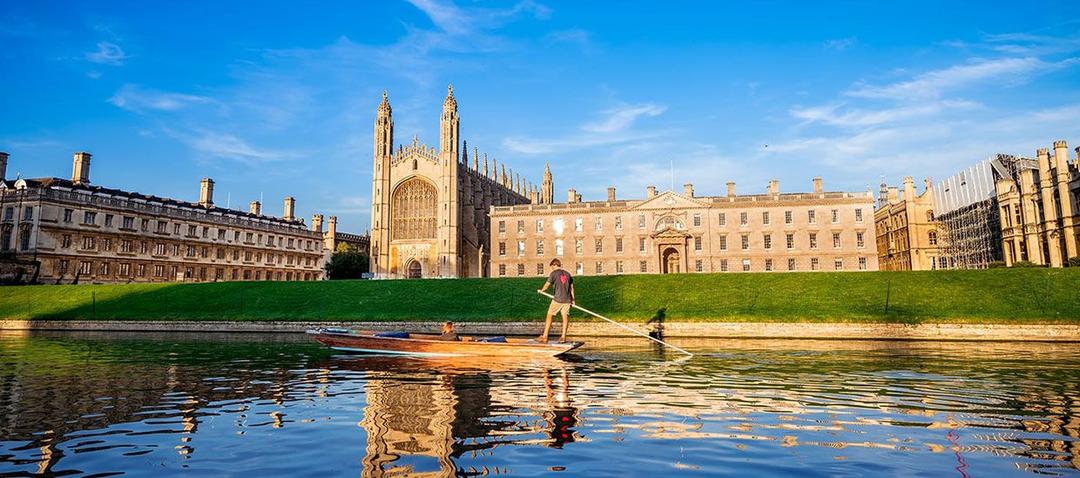
Quick Answer: Cambridge excels in traditional academics with a historic collegiate system and broader subject range, while Imperial specializes in STEM with strong industry connections and modern facilities in London. Choose Cambridge for prestige and liberal arts breadth, Imperial for cutting-edge science and tech careers.
Introduction
Choosing between the University of Cambridge and Imperial College London represents one of the most prestigious decisions an international student can face when considering UK higher education. Both institutions rank among the world's top universities and are members of the elite Russell Group, yet they offer distinctly different experiences.
Cambridge, founded in 1209, represents centuries of academic tradition with its famous collegiate system and comprehensive range of subjects. Imperial College London, established in 1907, focuses intensively on science, technology, engineering, and mathematics (STEM), with a modern approach and strong industry partnerships. Understanding these fundamental differences is crucial for international students seeking the best fit for their academic and career goals.
Quick Comparison Table
| Factor | University of Cambridge | Imperial College London |
|---|---|---|
| Global Ranking | Typically ranked 2-5 globally | Usually ranked 6-10 globally |
| Tuition Fees (2026) | £24,000-£35,000 per year | £25,000-£40,000 per year |
| Entry Requirements | AAA - A*AA, IELTS 7.0-7.5 | AAA - AAA, IELTS 6.5-7.0 |
| Location | Cambridge (historic city) | London (major global city) |
| Student Population | ~21,000 (12,000 undergrad) | ~20,000 (10,000 undergrad) |
| Specialization | Comprehensive subjects | STEM-focused |
| Cost of Living | £12,000-£15,000 per year | £15,000-£20,000 per year |
| Graduate Employment | 95%+ employed/further study | 97%+ employed/further study |
⚠️ Data Disclaimer: Fees, rankings, and requirements shown are approximate and based on 2026 data. Always verify current information on official university websites before making decisions.
Rankings & Reputation
University of Cambridge
Cambridge consistently ranks among the top 5 universities globally across major rankings systems. In the QS World University Rankings 2026, Cambridge typically places 2nd-4th globally and maintains the #1 position in the UK for overall reputation. The university excels particularly in:
- Natural Sciences and Mathematics
- Engineering and Technology
- Arts and Humanities
- Social Sciences
Cambridge's 800+ year history contributes to unparalleled global recognition, with alumni including Stephen Hawking, Charles Darwin, and numerous Nobel Prize winners.
Imperial College London
Imperial consistently ranks 6th-10th globally and is particularly renowned for its specialized STEM programs. While younger than Cambridge, Imperial has rapidly established itself as a world leader in:
- Engineering and Technology (often ranked #1-3 globally)
- Natural Sciences
- Medicine
- Business (Imperial College Business School)
Imperial's reputation for innovation and industry partnerships makes it highly regarded by employers, particularly in technology and engineering sectors.
Tuition Fees & Costs
University of Cambridge
For international students in 2026-2027, Cambridge tuition fees typically range from £24,000-£35,000 per year, varying by subject:
- Arts and Humanities: £24,000-£26,000
- Sciences: £28,000-£32,000
- Medicine and Veterinary Science: £32,000-£35,000
Living costs in Cambridge are generally lower than London, with students typically spending £12,000-£15,000 annually on accommodation, food, and personal expenses.
Imperial College London
Imperial's international tuition fees for 2026-2027 range from £25,000-£40,000 annually:
- Engineering and Natural Sciences: £28,000-£35,000
- Medicine: £35,000-£40,000
- Business courses: £30,000-£38,000
London's higher cost of living means students should budget £15,000-£20,000 per year for living expenses, making Imperial generally more expensive overall.
Entry Requirements
University of Cambridge
Cambridge typically requires:
- A-Levels: AAA to A*AA (subject-dependent)
- International Baccalaureate: 40-42 points
- IELTS: 7.0-7.5 overall (minimum 7.0 in each component)
- Additional requirements may include admission tests (ENGAA, NSAA, etc.) and interviews
The application process is highly competitive, with acceptance rates around 20% for international students.
Imperial College London
Imperial generally requires:
- A-Levels: AAA to AAA (with A*/A in relevant subjects)
- International Baccalaureate: 38-40 points
- IELTS: 6.5-7.0 overall (varies by programme)
- Some courses require additional tests or portfolios
Acceptance rates are typically 10-15% for international students, making it highly selective.
Location & Student Life
University of Cambridge
Cambridge offers a quintessential university town experience:
- Historic Setting: Beautiful medieval architecture and famous colleges
- Collegiate System: Students belong to individual colleges, creating close-knit communities
- Academic Atmosphere: City revolves around the university
- Transportation: Easy access to London (1 hour by train)
- Student Activities: Extensive societies, sports clubs, and formal dinners
The collegiate system provides strong support networks and lifelong connections, though some find it traditional and exclusive.
Imperial College London
Imperial provides a modern urban university experience:
- London Location: Access to internships, cultural events, and global connections
- Modern Facilities: State-of-the-art laboratories and research centers
- Diverse Environment: Highly international student body
- Career Opportunities: Proximity to major employers and startups
- Urban Lifestyle: World-class museums, restaurants, and entertainment
The London location offers more independence but can be overwhelming for some students.
Courses & Specializations
University of Cambridge
Cambridge offers comprehensive academic breadth:
- Over 30 undergraduate courses across all major disciplines
- Strong liberal arts tradition with Natural Sciences Tripos allowing broad study
- Renowned programs in Mathematics, English, History, and Natural Sciences
- Excellent preparation for further academic study and research
- Tutorial system providing personalized attention
Imperial College London
Imperial focuses intensively on STEM fields:
- Engineering (Aeronautical, Chemical, Civil, Electrical, Mechanical)
- Natural Sciences (Physics, Chemistry, Life Sciences)
- Medicine and Medical Sciences
- Computing and Mathematics
- Business (with strong tech/entrepreneurship focus)
Imperial's specialization allows for deeper technical focus and stronger industry connections in STEM fields.
Graduate Outcomes
University of Cambridge
Cambridge graduates enjoy excellent career prospects:
- Employment/further study rate: 95%+
- Average starting salary: £25,000-£35,000 (varies significantly by field)
- Strong representation in academia, law, finance, consulting, and public service
- Extensive alumni network across all industries
- High acceptance rates for competitive graduate programs
Imperial College London
Imperial graduates have outstanding employment outcomes:
- Employment/further study rate: 97%+
- Average starting salary: £28,000-£40,000 (higher for engineering/tech)
- Strong placement in technology, engineering, finance, and consulting
- Excellent connections with major employers like Google, Microsoft, Goldman Sachs
- High startup founding rates among alumni
Scholarships & Financial Aid
University of Cambridge
- Cambridge Trust offers scholarships for international students
- Typical awards: £10,000-£25,000 per year
- Gates Cambridge Scholarship (full funding for outstanding students)
- Subject-specific scholarships available
- Need-based bursaries for qualifying students
Imperial College London
- Imperial College scholarships typically range £5,000-£25,000
- President's Scholarship (full tuition coverage)
- Faculty-specific awards
- Industry-sponsored scholarships
- Merit and need-based options available
Campus & Facilities
University of Cambridge
- Historic colleges with beautiful courtyards and gardens
- Famous libraries including the University Library
- Traditional dining halls and formal settings
- Modern science facilities alongside historic buildings
- Extensive sports facilities and boat houses
Imperial College London
- Modern campus in South Kensington
- Cutting-edge laboratories and research facilities
- Strong focus on technology and innovation spaces
- Central London location near museums and cultural sites
- State-of-the-art medical and engineering facilities
Which One is Right for You?
Choose Cambridge if you:
- Value historical prestige and tradition
- Want a comprehensive university experience
- Prefer a close-knit collegiate community
- Are interested in liberal arts or broad academic exploration
- Want to pursue graduate study or academic careers
- Prefer a smaller city environment
Choose Imperial if you:
- Are passionate about STEM fields
- Want strong industry connections and internship opportunities
- Prefer a modern, research-intensive environment
- Thrive in diverse, international settings
- Aim for careers in technology, engineering, or finance
- Want to be in London's dynamic environment
For international students exploring options beyond these two prestigious institutions, you can explore all UK universities to find the perfect fit for your academic goals.
Cambridge - Pros & Cons
Pros: ✅ Unparalleled global prestige, ✅ Strong tutorial system, ✅ Beautiful historic setting, ✅ Excellent alumni network, ✅ Comprehensive subject range, ✅ Lower living costs Cons: ❌ Very traditional atmosphere, ❌ Limited STEM industry connections, ❌ Highly competitive environment, ❌ Less diverse than Imperial, ❌ Can feel exclusive/elitist
Imperial College London - Pros & Cons
Pros: ✅ Cutting-edge STEM focus, ✅ London location advantages, ✅ Strong industry partnerships, ✅ Modern facilities, ✅ Excellent graduate salaries, ✅ Highly international environment Cons: ❌ Limited subject breadth, ❌ Higher living costs, ❌ Less traditional university experience, ❌ Very intense academic environment, ❌ Limited liberal arts options
Conclusion
Both Cambridge and Imperial represent world-class educational opportunities with distinct advantages. Cambridge offers unmatched prestige, academic breadth, and traditional university culture, while Imperial provides specialized STEM excellence, modern facilities, and strong industry connections in London. Your choice should align with your academic interests, career goals, and preferred learning environment. Consider visiting both campuses and speaking with current students to make the most informed decision for your international study journey.
Key Statistics
📊 Cambridge typically ranks 2-5 globally while Imperial ranks 6-10 globally
📊 Imperial graduates earn £28,000-£40,000 starting salary vs Cambridge's £25,000-£35,000
📊 Total annual costs: Cambridge £36,000-£50,000 vs Imperial £40,000-£60,000
📊 Both universities have 10-20% acceptance rates for international students
Frequently Asked Questions
Which university is harder to get into - Cambridge or Imperial?
Both are extremely competitive with similar acceptance rates of 10-20% for international students. Cambridge typically requires slightly higher grades (AAA to AAA vs Imperial's AA*A to AAA) and includes interviews for most subjects. Imperial's admissions process is generally more straightforward but equally selective, especially for engineering and medicine programs.
Is Cambridge or Imperial better for engineering students?
Imperial is generally considered stronger for engineering, consistently ranking among the top 3 globally for engineering and technology. It offers more specialized engineering programs and stronger industry connections. Cambridge has excellent engineering programs too, but Imperial's focus on STEM and London location provide better internship and career opportunities in engineering fields.
Which university offers better value for money for international students?
Cambridge typically offers better value due to lower total costs (£36,000-£50,000 annually vs Imperial's £40,000-£60,000). However, Imperial graduates in STEM fields often command higher starting salaries, potentially providing better long-term ROI. Consider your field of study and career goals when evaluating value.
How do the campus experiences differ between Cambridge and Imperial?
Cambridge offers a traditional collegiate experience with historic buildings, formal dinners, and close-knit college communities. Students live and dine within their colleges, creating strong bonds. Imperial provides a modern urban campus experience in London with state-of-the-art facilities but less traditional university culture and more independence.
Which university has better scholarship opportunities for international students?
Both offer substantial scholarships, but Cambridge's funding tends to be more generous. The Gates Cambridge Scholarship provides full funding, and Cambridge Trust offers awards of £10,000-£25,000. Imperial's scholarships range £5,000-£25,000 with some full-tuition President's Scholarships. Cambridge historically has more scholarship funding available.
Should I choose Cambridge or Imperial for future PhD applications?
Cambridge has a slight edge for academic careers and PhD applications due to its research reputation and academic networks. The tutorial system provides excellent preparation for independent research. However, Imperial is also highly regarded for PhD applications, especially in STEM fields, and offers cutting-edge research opportunities with industry applications.
Key Takeaways
✅ Cambridge excels in prestige, academic breadth, and traditional university experience
✅ Imperial leads in STEM specialization, industry connections, and graduate salaries
✅ Cambridge offers lower total costs while Imperial provides London location benefits
✅ Both are extremely competitive with similar acceptance rates for international students