




University of Cambridge vs University of Glasgow: Which is Better for International Students 2026?
— 10 min read read

CourseOptions Team
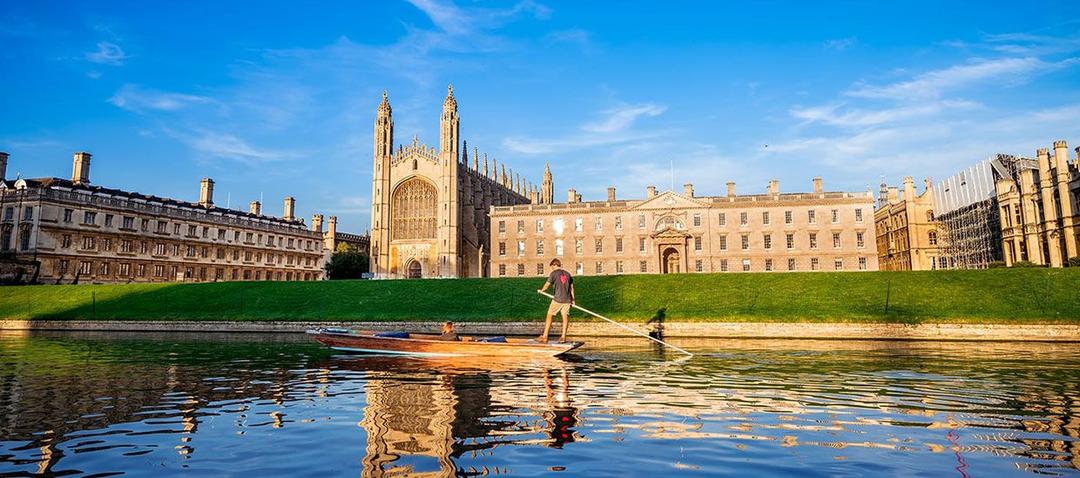
Quick Answer: Cambridge offers world-leading prestige and research excellence but at premium costs (£22,000-£58,000 annually) with highly competitive entry. Glasgow provides excellent value with strong academics (£20,000-£45,000 annually), more accessible entry requirements, and vibrant student culture in Scotland's largest city.
Choosing between the University of Cambridge and University of Glasgow represents a decision between two distinctly different academic experiences. Cambridge, as one of the world's oldest and most prestigious universities, offers unparalleled academic reputation and research opportunities, while Glasgow combines academic excellence with affordability and a more accessible approach to international student admission.
Both universities are members of the prestigious Russell Group, ensuring high-quality education and research output. However, they cater to different student needs, budgets, and career aspirations. This comprehensive comparison will help international students understand which institution aligns better with their academic goals and financial circumstances.
| Factor | University of Cambridge | University of Glasgow |
|---|---|---|
| Global Ranking (QS 2026) | Top 5 worldwide | Top 80-90 worldwide |
| Annual Tuition Fees | £22,000-£58,000 | £20,000-£45,000 |
| Entry Requirements | AAA-A*AA typically | AAA-ABB typically |
| IELTS Requirement | 7.0-7.5 overall | 6.0-7.0 overall |
| Student Population | ~23,000 | ~29,000 |
| International Students | ~40% | ~25% |
| Location | Cambridge, England | Glasgow, Scotland |
| Notable Strengths | Research, Sciences, Prestige | Engineering, Medicine, Arts |
⚠️ Data Disclaimer: Fees, rankings, and requirements shown are approximate and based on 2026 data. Always verify current information on official university websites before making decisions.
Rankings & Reputation
University of Cambridge consistently ranks among the top 5 universities globally, typically competing with Harvard, MIT, and Oxford for the highest positions. Its reputation spans centuries, with notable alumni including Stephen Hawking, Charles Darwin, and numerous Nobel Prize winners. Cambridge's research output and academic prestige make it instantly recognizable worldwide, opening doors in any career field.
University of Glasgow, while not reaching Cambridge's stratospheric heights, maintains a strong international reputation, typically ranking in the top 80-90 globally. Founded in 1451, it's the fourth-oldest university in the English-speaking world and has produced notable figures including Adam Smith, Lord Kelvin, and several Nobel laureates. Glasgow particularly excels in specific fields like engineering, medicine, and social sciences.
For international students, Cambridge's brand recognition provides significant advantages in competitive job markets, while Glasgow offers excellent academic credentials at a more attainable level.
Tuition Fees & Costs
University of Cambridge commands premium fees reflecting its elite status. International students typically pay £22,000-£30,000 for arts subjects, while science and engineering programmes range from £33,000-£58,000 annually. Medicine and veterinary courses represent the highest fees. Living costs in Cambridge are substantial, with accommodation and living expenses typically requiring £12,000-£15,000 annually.
University of Glasgow offers more affordable education, with international fees typically ranging from £20,000-£25,000 for humanities and social sciences, and £25,000-£45,000 for sciences and engineering. Medical programmes fall within the higher range. Glasgow's cost of living is significantly lower than Cambridge, with total living expenses typically £8,000-£11,000 annually.
The total cost difference can exceed £20,000 annually, making Glasgow considerably more accessible for budget-conscious international students.
Entry Requirements
University of Cambridge maintains extremely competitive entry standards. International students typically need equivalent grades of AAA to AAA at A-level, depending on the course. Popular subjects like Medicine, Engineering, and Natural Sciences often require AA*A with specific subject requirements. IELTS requirements typically range from 7.0-7.5 overall, with no component below 7.0. Many programmes also require additional testing (STEP for Mathematics, BMAT for Medicine) and rigorous interviews.
University of Glasgow has more accessible entry requirements while maintaining high standards. Typical requirements range from AAA to ABB at A-level equivalent, depending on the programme. IELTS requirements are generally 6.0-7.0 overall, with specific band requirements varying by course. While competitive, Glasgow's admissions process is generally more straightforward, focusing primarily on academic qualifications without additional testing for most programmes.
This difference makes Glasgow accessible to a broader range of international students who may not meet Cambridge's exceptionally high entry barriers.
Location & Student Life
University of Cambridge offers a unique collegiate experience in the historic city of Cambridge. The city centres around the university, creating an intense academic atmosphere. Students benefit from the famous supervision system, providing personalized tutorials in small groups. The collegiate structure fosters strong community bonds, though some find it intense and competitive. Cambridge's proximity to London (1 hour by train) provides access to internships and cultural opportunities.
University of Glasgow provides a vibrant urban university experience in Scotland's largest city. Glasgow offers rich cultural life, including world-class museums, music venues, and festivals. The university's single-campus structure creates a strong sense of community without the collegiate system's potential pressures. Glasgow's friendly atmosphere and lower cost of living contribute to a more relaxed student experience, while still maintaining academic rigor.
The choice between Cambridge's intense, historic academic environment and Glasgow's vibrant, accessible urban experience significantly impacts student satisfaction.
Courses & Specializations
University of Cambridge excels across virtually all disciplines, with particular strengths in natural sciences, mathematics, engineering, medicine, and law. The university's research-intensive approach means students often work alongside world-leading researchers. Cambridge's unique undergraduate structure allows broad initial study before specialization, though some find this less focused than other systems.
University of Glasgow has particular strengths in engineering, medicine, social sciences, and arts subjects. The university's Adam Smith Business School is highly regarded, while its medical school has an international reputation. Glasgow offers more traditional degree structures with earlier specialization, which some international students prefer. The university also provides strong support for students transitioning between different academic systems.
Both universities offer opportunities to browse available courses that align with international student interests and career goals.
Graduate Outcomes
University of Cambridge graduates typically achieve exceptional employment outcomes, with over 95% in employment or further study within six months. Starting salaries often range from £35,000-£50,000, with significant premiums in competitive sectors like finance and consulting. The Cambridge brand opens doors globally, particularly in research, finance, and technology sectors.
University of Glasgow also achieves strong graduate outcomes, with employment rates typically around 90-95%. Starting salaries generally range from £25,000-£40,000, which represents excellent value given the lower tuition costs. Glasgow graduates are particularly well-regarded in engineering, healthcare, and public sector roles, with strong networks throughout Scotland and the UK.
While Cambridge provides higher absolute earning potential, Glasgow offers excellent return on investment given its lower total costs.
Scholarships & Financial Support
University of Cambridge offers various scholarships for international students, including the prestigious Cambridge Trust scholarships, which can cover full costs for exceptional candidates. However, funding is highly competitive, with limited availability relative to the applicant pool. The university also offers need-based support, though this rarely covers full costs for international students.
University of Glasgow provides numerous scholarship opportunities for international students, including merit-based awards and country-specific scholarships. The university often offers more accessible partial scholarships ranging from £2,000-£10,000 annually. Glasgow's lower base costs make partial funding more impactful for students' overall budgets.
Glasgow's combination of lower fees and more accessible scholarships often results in better net affordability for many international students.
Campus & Facilities
University of Cambridge features historic college buildings scattered throughout the city, each with unique character and facilities. The university boasts world-class libraries, including the famous Wren Library, and cutting-edge research facilities. The collegiate system ensures smaller, intimate learning environments, though facilities vary between colleges.
University of Glasgow offers a mix of historic Gothic revival architecture and modern facilities on its main campus. Recent investments have created state-of-the-art learning spaces, research facilities, and student amenities. The centralized campus provides easy access to all facilities and creates a strong campus community.
Both universities provide excellent facilities, with Cambridge offering more historic prestige and Glasgow providing more modern, integrated campus amenities.
University of Cambridge - Pros & Cons
Pros: ✅ World-leading reputation and research opportunities, ✅ Exceptional graduate employment outcomes, ✅ Unique collegiate experience, ✅ Access to world-class faculty and resources, ✅ Strong global alumni network
Cons: ❌ Extremely high fees and living costs, ❌ Highly competitive entry requirements, ❌ Intense academic pressure, ❌ Limited scholarship availability, ❌ Potentially overwhelming environment for some students
University of Glasgow - Pros & Cons
Pros: ✅ Excellent value for money, ✅ More accessible entry requirements, ✅ Vibrant city life and cultural opportunities, ✅ Strong support for international students, ✅ Good scholarship availability, ✅ Lower cost of living
Cons: ❌ Less global prestige than Cambridge, ❌ Lower average graduate salaries, ❌ Less research intensity in some fields, ❌ Weather can be challenging, ❌ May have fewer international networking opportunities
Which One is Right for You?
Choose Cambridge if you:
- Have exceptional academic credentials and can meet very high entry requirements
- Can afford premium costs or secure substantial funding
- Thrive in highly competitive, research-intensive environments
- Prioritize maximum global recognition and prestige
- Are pursuing fields where Cambridge has particular strengths (natural sciences, mathematics, medicine)
Choose Glasgow if you:
- Seek excellent education at more affordable costs
- Prefer a vibrant city environment with rich cultural life
- Want more accessible entry requirements while maintaining quality
- Value strong support systems and community feel
- Are interested in Glasgow's particular strengths (engineering, social sciences, business)
- Need more realistic scholarship opportunities
For most international students, Glasgow offers better overall value, combining strong academic credentials with affordability and accessibility. However, for exceptional students with adequate funding, Cambridge provides unmatched prestige and opportunities.
Conclusion
Both Cambridge and Glasgow represent excellent choices for international students, but serve different needs and circumstances. Cambridge offers world-leading prestige and research opportunities for exceptional students with substantial resources, while Glasgow provides outstanding education, vibrant student life, and excellent value for money. Consider your academic credentials, financial situation, career goals, and personal preferences when making this significant decision. Both universities will provide transformative educational experiences, but the best choice depends on your individual circumstances and aspirations.
Key Statistics
📊 Cambridge ranks consistently in global top 5, while Glasgow ranks top 80-90 worldwide
📊 Total annual costs: Cambridge £34,000-£73,000 vs Glasgow £28,000-£56,000
📊 Cambridge requires AAA-A*AA typically, Glasgow accepts AAA-ABB
📊 Graduate employment rates: Cambridge 95%+, Glasgow 90-95%
Frequently Asked Questions
Is University of Cambridge worth the extra cost compared to Glasgow?
Cambridge's higher costs may be justified if you can secure competitive employment in high-paying sectors like finance or consulting, where the Cambridge brand provides significant advantages. However, Glasgow offers excellent return on investment with lower total costs and strong graduate outcomes. Consider your career goals, financial situation, and field of study when evaluating the cost difference.
Which university is easier for international students to get into?
University of Glasgow has more accessible entry requirements, typically requiring AAA-ABB grades compared to Cambridge's AAA-A*AA requirements. Glasgow also has simpler application processes without additional testing for most programmes, while Cambridge often requires subject-specific tests and interviews. However, both maintain high academic standards.
How do living costs compare between Cambridge and Glasgow?
Glasgow offers significantly lower living costs, typically £8,000-£11,000 annually compared to Cambridge's £12,000-£15,000. Glasgow provides more affordable accommodation options, cheaper dining and entertainment, and lower transportation costs. This cost difference can amount to £3,000-£5,000 annually in savings.
Which city offers better student life for international students?
Both cities offer excellent but different student experiences. Cambridge provides a unique collegiate atmosphere with historic charm and proximity to London, but can feel intense and expensive. Glasgow offers vibrant urban culture, diverse entertainment options, friendly locals, and more affordable lifestyle, making it easier for international students to explore and socialize.
Do employers recognize University of Glasgow degrees internationally?
Yes, Glasgow degrees are well-recognized internationally, particularly in engineering, medicine, and business. While it may not carry Cambridge's prestigious brand recognition, Glasgow is a respected Russell Group university with strong alumni networks. The university's reputation is particularly strong in Commonwealth countries and Europe.
Which university offers better scholarship opportunities for international students?
Glasgow generally offers more accessible scholarship opportunities with various merit-based and country-specific awards. While Cambridge has prestigious scholarships like Cambridge Trust, competition is extremely fierce. Glasgow's lower base fees also make partial scholarships more impactful, often resulting in better overall affordability for international students.
Key Takeaways
✅ Cambridge offers unmatched global prestige but requires exceptional qualifications and substantial financial resources
✅ Glasgow provides excellent value with strong academics, lower costs, and more accessible entry requirements
✅ Total cost difference can exceed £20,000 annually, making Glasgow significantly more affordable
✅ Both are Russell Group universities ensuring high-quality education and research opportunities