




University of Cambridge vs University of Edinburgh: Which is Better for International Students 2026?
— 9 min read read

CourseOptions Team
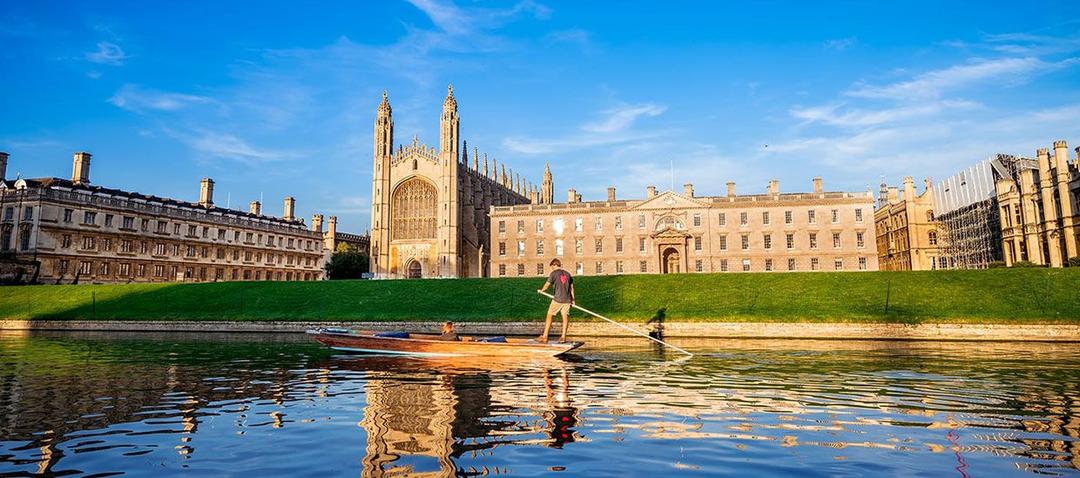
Quick Answer: Cambridge offers world-leading prestige and research excellence but with extremely competitive entry and higher costs. Edinburgh provides excellent academics with more accessible entry requirements and lower living costs in Scotland's vibrant capital.
Choosing between the University of Cambridge and the University of Edinburgh represents a decision between two of the UK's most prestigious Russell Group institutions. Cambridge, one of the world's oldest and most renowned universities, has educated countless Nobel laureates and prime ministers. Edinburgh, Scotland's ancient capital university, combines academic excellence with cultural richness and has produced notable figures from Charles Darwin to Alexander Graham Bell.
Both universities attract thousands of international students annually, but they offer distinctly different experiences. Cambridge's collegiate system and tutorial-based learning contrast with Edinburgh's diverse academic community and research-intensive approach. Understanding these differences is crucial for making the right choice for your academic and personal goals.
Quick Comparison Table
| Factor | University of Cambridge | University of Edinburgh |
|---|---|---|
| Global Ranking | Top 5 worldwide | Top 30 worldwide |
| Annual Tuition | £24,000-£37,000+ | £23,000-£32,000 |
| Entry Requirements | AAA-A*AA, IELTS 7.0-7.5 | AAA-ABB, IELTS 6.5-7.0 |
| Location | Historic English city | Scottish capital |
| Student Population | ~23,000 | ~47,000 |
| Living Costs | £12,000-£18,000/year | £10,000-£14,000/year |
| Notable For | Mathematics, Sciences, Law | Medicine, Engineering, Arts |
⚠️ Data Disclaimer: Fees, rankings, and requirements shown are approximate and based on 2026 data. Always verify current information on official university websites before making decisions.
Rankings & Reputation
University of Cambridge consistently ranks among the world's top 5 universities across major international rankings. In QS World University Rankings 2026, Cambridge typically places 2nd-4th globally, while THE World University Rankings similarly positions it in the top 5. Cambridge's reputation is unparalleled in fields like mathematics, physics, engineering, and natural sciences.
University of Edinburgh maintains strong global recognition, usually ranking between 20th-30th worldwide in major rankings. It's particularly renowned for medicine, veterinary science, and humanities subjects. Edinburgh often outperforms many Russell Group peers in specific subject areas and maintains excellent research output metrics.
The reputation difference is significant in certain industries and geographical regions, with Cambridge carrying more international weight, particularly in academia and research-focused careers.
Tuition Fees
Cambridge tuition fees for international students typically range from £24,000-£28,000 for most undergraduate programmes, with clinical medicine and veterinary medicine reaching £37,000+ annually. Laboratory-based subjects generally cost more than classroom-based programmes.
Edinburgh fees are generally more affordable, ranging from £23,000-£32,000 depending on the programme. Medicine and dentistry represent the higher end of this range. Edinburgh often provides better value for money, especially considering the overall cost of studying.
Both universities increase fees annually, and these figures exclude accommodation and living expenses. Scottish students receive free tuition at Edinburgh, but this doesn't apply to international students.
Entry Requirements
Cambridge entry requirements are exceptionally demanding, typically requiring AAA to AAA at A-level, with many successful applicants achieving straight As. International qualifications need equivalent high grades. IELTS requirements range from 7.0-7.5 overall, with most programmes requiring 7.0 minimum in each component.
Edinburgh requirements are more accessible while still selective, generally requiring AAA-ABB at A-level depending on the programme. Popular courses like medicine still demand top grades, but many programmes offer more flexibility. IELTS requirements typically range from 6.5-7.0 overall.
Cambridge also requires additional admissions tests for most subjects and conducts extensive interviews, making the selection process more rigorous than Edinburgh's primarily grades-based approach.
Location & Student Life
Cambridge offers the quintessential English university experience in a historic city dominated by the university. The collegiate system creates tight-knit communities, but the city can feel quite small and expensive. London is easily accessible by train, providing metropolitan opportunities.
Edinburgh combines university life with living in Scotland's dynamic capital city. The city offers rich cultural heritage, festivals, and a more diverse economy beyond the university. Edinburgh's historic Royal Mile, castle, and artistic scene create an inspiring environment. The city feels more integrated with local Scottish culture.
Living costs in Edinburgh are generally 15-25% lower than Cambridge, particularly for accommodation and daily expenses.
Courses & Specializations
Cambridge excels in:
- Mathematics and theoretical physics
- Engineering and computer science
- Natural sciences
- Economics and business
- Law and jurisprudence
Edinburgh strengths include:
- Medicine and biomedical sciences
- Veterinary medicine
- Engineering and informatics
- Arts, humanities, and social sciences
- Scottish studies and Celtic cultures
Cambridge's tutorial system provides intensive academic support, while Edinburgh offers more diverse course options and flexible degree structures. You can browse available courses at both universities to explore specific programmes.
Graduate Outcomes
Cambridge graduates typically achieve exceptional career outcomes, with average starting salaries often ranging £35,000-£45,000+. The university maintains extensive alumni networks globally, particularly valuable in finance, consulting, and academia.
Edinburgh graduates also perform well in the job market, with starting salaries typically ranging £28,000-£38,000. The university has strong connections with Scottish employers and increasingly excellent placement rates in international markets.
Both universities report graduate employment rates above 85% within six months, though Cambridge's brand recognition can provide advantages in certain competitive fields.
Scholarships for International Students
Cambridge offers various scholarships including the Gates Cambridge Scholarship for postgraduate study, and college-specific awards. However, undergraduate funding for international students is limited compared to domestic options.
Edinburgh provides more extensive undergraduate scholarship opportunities, including the Edinburgh Global Undergraduate Scholarships and various faculty-specific awards. The university generally offers more accessible financial support for international students.
Both universities recommend applying early for scholarship consideration, as competition is intense.
Campus & Facilities
Cambridge features the iconic collegiate architecture spread across the historic city center. Each college provides accommodation, dining, and social facilities. Libraries like the Wren Library and modern facilities like the West Cambridge site offer world-class resources.
Edinburgh combines historic Old College buildings with modern facilities across central Edinburgh. The King's Buildings campus houses science facilities, while the medical school and other departments are integrated throughout the city.
Both offer excellent facilities, though Cambridge's collegiate system provides more intimate academic communities.
University of Cambridge - Pros & Cons
Pros: ✅ World-leading reputation and rankings, ✅ Exceptional tutorial system, ✅ Outstanding research opportunities, ✅ Powerful global alumni network, ✅ Historic collegiate tradition
Cons: ❌ Extremely competitive entry requirements, ❌ Higher tuition and living costs, ❌ Limited undergraduate scholarships, ❌ Intense academic pressure, ❌ Less diverse city environment
University of Edinburgh - Pros & Cons
Pros: ✅ Strong global reputation with accessible entry, ✅ Vibrant capital city location, ✅ More affordable living costs, ✅ Diverse course offerings, ✅ Rich cultural environment, ✅ Better scholarship opportunities
Cons: ❌ Lower global ranking than Cambridge, ❌ Less prestigious brand recognition, ❌ Larger class sizes, ❌ Scottish weather, ❌ More limited tutorial support
Which One is Right for You?
Choose Cambridge if you:
- Have exceptional academic credentials (AAA+)
- Seek maximum global prestige
- Prefer intensive, tutorial-based learning
- Want smaller, tight-knit college communities
- Plan careers in academia, finance, or consulting
- Can handle intense academic pressure
Choose Edinburgh if you:
- Have strong but not exceptional grades (AAA-ABB)
- Want excellent education at better value
- Prefer vibrant city life over college atmosphere
- Seek more diverse course options
- Need scholarship opportunities
- Want cultural richness alongside academics
For most international students, Edinburgh offers a more balanced experience combining academic excellence with accessibility and affordability. However, if you have the credentials and resources, Cambridge's unmatched reputation can open doors worldwide.
Conclusion
Both Cambridge and Edinburgh represent excellent choices for international students, but they serve different needs and aspirations. Cambridge offers unparalleled prestige and academic intensity, while Edinburgh provides outstanding education in a more accessible and culturally rich environment. Consider your academic credentials, financial resources, and personal preferences when making this important decision. Whichever you choose, both universities will provide world-class education and lasting connections.
Key Statistics
📊 Cambridge typically ranks 2nd-4th globally vs Edinburgh's 20th-30th position
📊 Cambridge tuition ranges £24,000-£37,000+ vs Edinburgh's £23,000-£32,000
📊 Edinburgh living costs are 15-25% lower than Cambridge
📊 Both universities achieve 85%+ graduate employment rates within six months
Frequently Asked Questions
Is Cambridge significantly better than Edinburgh for international students?
Cambridge offers higher global prestige and rankings but isn't necessarily 'better' for all students. Edinburgh provides excellent education with more accessible entry requirements, lower costs, and diverse cultural experiences. The choice depends on your academic credentials, financial situation, and personal preferences.
Which university is more affordable for international students?
Edinburgh is generally more affordable, with tuition fees typically £1,000-£5,000 lower annually and living costs 15-25% cheaper than Cambridge. Edinburgh also offers more scholarship opportunities for international undergraduates, making it more financially accessible overall.
Are entry requirements much harder for Cambridge than Edinburgh?
Yes, Cambridge entry requirements are significantly more demanding. Cambridge typically requires AAA to A*AA grades plus admissions tests and interviews, while Edinburgh generally accepts AAA-ABB depending on the programme. Cambridge's acceptance rate is also much lower at around 20% versus Edinburgh's approximately 40-50%.
Which city provides a better student experience?
This depends on personal preference. Cambridge offers a traditional English university town experience with intimate collegiate communities but limited city diversity. Edinburgh provides a vibrant capital city experience with rich culture, festivals, and history, but with larger, less intimate academic communities.
Do Cambridge graduates earn significantly more than Edinburgh graduates?
Cambridge graduates typically command higher starting salaries (£35,000-£45,000+ vs £28,000-£38,000), largely due to brand recognition in high-paying sectors like finance and consulting. However, career success ultimately depends on individual performance, field of study, and personal networking rather than just university prestige.
Which university offers better opportunities for international students?
Both offer excellent opportunities but in different ways. Cambridge provides unmatched global prestige and alumni networks, particularly valuable in academia and elite professions. Edinburgh offers more accessible entry, better scholarship availability, and strong international connections, especially in Europe and commonwealth countries.
Key Takeaways
✅ Cambridge offers world-leading prestige but requires exceptional academic credentials and higher costs
✅ Edinburgh provides excellent education with more accessible entry requirements and lower living costs
✅ Cambridge's tutorial system offers intensive academic support while Edinburgh provides more diverse course options
✅ Edinburgh's capital city location offers richer cultural experiences compared to Cambridge's traditional university town atmosphere