




University of Cambridge vs Durham University: Which is Better for International Students 2026?
— 11 min read read

CourseOptions Team
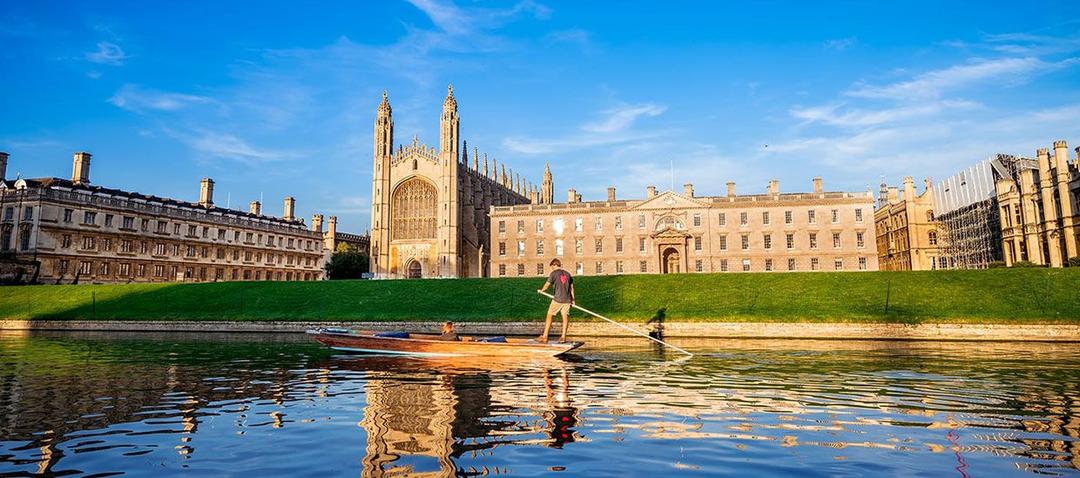
Quick Answer: Cambridge offers world-leading prestige and research excellence but with extremely competitive entry and higher costs, while Durham provides excellent education with a more accessible collegiate experience and strong graduate outcomes at relatively lower fees.
Choosing between the University of Cambridge and Durham University represents a decision between two of the UK's most prestigious institutions, each offering distinct advantages for international students. Cambridge stands as one of the world's oldest and most renowned universities, consistently ranking among the global top 5, while Durham has established itself as a leading Russell Group university with a strong collegiate tradition and excellent graduate outcomes.
Both universities attract thousands of international applications annually, but they offer different experiences, costs, and entry requirements. Understanding these differences is crucial for international students weighing their options for 2026 entry. This comprehensive comparison will help you determine which institution better aligns with your academic goals, financial situation, and personal preferences.
Quick Comparison Table
| Factor | University of Cambridge | Durham University |
|---|---|---|
| Global Ranking | Top 5 worldwide | Top 80-100 worldwide |
| Entry Requirements | AAA-A*AA + subject tests | AAA-A*AB typically |
| IELTS Requirement | 7.5 overall (7.0+ components) | 6.5-7.0 overall |
| Tuition Fees (2026) | £24,000-£63,000+ per year | £22,000-£28,000 per year |
| Acceptance Rate | ~20-25% | ~40-50% |
| Student Population | ~25,000 (40% international) | ~19,000 (25% international) |
| Location | Historic city, 1hr from London | Cathedral city, North East England |
| College System | 31 colleges | 17 colleges |
⚠️ Data Disclaimer: Fees, rankings, and requirements shown are approximate and based on 2026 data. Always verify current information on official university websites before making decisions.
Rankings & Reputation
University of Cambridge maintains its position as one of the world's elite institutions, consistently ranking 2nd-5th globally in major league tables. The university's reputation opens doors worldwide, with Cambridge graduates highly sought after by employers, graduate schools, and research institutions globally. Subject-wise, Cambridge typically ranks in the top 5 worldwide for most disciplines, particularly excelling in sciences, mathematics, engineering, and humanities.
Durham University holds a strong position as the UK's 6th-7th ranked university domestically and typically places within the global top 80-100. While not matching Cambridge's international recognition, Durham commands significant respect in the UK and increasingly internationally. The university particularly excels in business, law, geography, and theology, often ranking within the UK's top 10 for these subjects.
For international students, Cambridge's global brand recognition provides unparalleled career advantages, while Durham's strong UK reputation offers excellent opportunities with potentially less intense competition for places and resources.
Tuition Fees and Financial Considerations
University of Cambridge fees vary significantly by course, ranging from approximately £24,000 for humanities subjects to over £63,000 for clinical medicine programs in 2026. Most popular subjects for international students (engineering, sciences, economics) typically fall in the £35,000-£45,000 range. The prestigious Cambridge brand comes with premium pricing, reflecting the world-class education and resources provided.
Durham University generally offers more affordable fees, typically ranging from £22,000-£28,000 across most undergraduate programs for international students. This represents significant savings compared to Cambridge, particularly over a three or four-year degree program. The lower fees don't reflect lower quality but rather Durham's positioning in the market and different cost structures.
Living costs also differ significantly, with Cambridge's proximity to London and higher demand creating elevated accommodation and living expenses. Durham's North East location offers more affordable living costs, helping international students stretch their budgets further.
Entry Requirements and Accessibility
University of Cambridge sets exceptionally high entry standards, typically requiring AAA-A*AA grades plus subject-specific tests, interviews, and additional assessments. IELTS requirements usually demand 7.5 overall with no component below 7.0. The selection process is highly competitive, with acceptance rates around 20-25% overall and potentially lower for popular subjects.
Durham University maintains high but more accessible standards, generally requiring AAA-A*AB grades depending on the course. IELTS requirements typically range from 6.5-7.0 overall. With acceptance rates around 40-50%, Durham offers international students better odds of admission while still maintaining excellent academic standards.
For international students, Durham's relatively more accessible entry requirements don't compromise the quality of education but do provide a more realistic pathway to studying at a top UK university.
Location and Student Life
University of Cambridge benefits from its historic city location just one hour from London by train. The city combines medieval architecture with modern amenities, creating an inspiring academic environment. However, the tourist-heavy city center and proximity to London drive up living costs. The social scene revolves around the college system, with formal dining, societies, and traditional events forming the backbone of student life.
Durham University occupies a UNESCO World Heritage site centered around the magnificent Durham Cathedral and Castle. The compact city offers a more intimate student experience with lower living costs than southern England. The collegiate system at Durham provides strong community bonds, while the surrounding North East region offers beautiful countryside and reasonable travel connections to major UK cities.
International students often find Durham's smaller scale and tight-knit community more welcoming, while Cambridge's prestige and London proximity appeal to those seeking maximum networking opportunities and urban access.
Courses and Specializations
University of Cambridge excels across virtually all academic disciplines, with particular strengths in:
- Natural Sciences (Physics, Chemistry, Biology)
- Mathematics and Computer Science
- Engineering
- Medicine
- Economics and Management
- English Literature and Languages
- History and Philosophy
Cambridge's supervision system provides unparalleled individual attention, with students receiving weekly one-on-one or small group tutorials with world-leading academics.
Durham University offers strong programs across many fields, with notable excellence in:
- Business and Management
- Law
- Geography and Environmental Sciences
- Theology and Religious Studies
- Archaeology
- Modern Languages
- Politics and International Relations
Durham's tutorial system, while not as intensive as Cambridge's, still provides excellent academic support and small-group learning opportunities.
For course exploration and application support, you can browse available courses to understand specific program requirements and structures at both institutions.
Graduate Outcomes and Career Prospects
University of Cambridge graduates enjoy exceptional career prospects, with employment rates consistently above 95% within six months of graduation. Starting salaries for Cambridge graduates often exceed £35,000-£40,000, with many securing positions in top-tier companies, prestigious graduate programs, or further study at leading institutions. The Cambridge network provides lifelong career advantages through alumni connections globally.
Durham University also delivers excellent graduate outcomes, with employment rates typically around 90-95% and starting salaries averaging £25,000-£30,000. Durham graduates are well-regarded by employers, particularly in the UK, with strong representation in finance, consulting, law, and public service sectors.
While Cambridge's outcomes edge ahead statistically, Durham graduates still achieve excellent career progression and job satisfaction, often with less student debt burden.
Scholarships and Financial Support
University of Cambridge offers various scholarships for international students, including the Cambridge International Scholarships and college-specific funding. However, full scholarships are highly competitive, and most international students pay full fees. Some need-based support is available, but resources are limited given the high fees.
Durham University provides several scholarship opportunities for international students, including Vice-Chancellor's Scholarships and country-specific awards. The lower base fees make Durham more accessible even without scholarship support, and the university has been expanding its financial aid programs for international students.
Both universities offer payment plan options and financial counseling to help international students manage costs.
Campus and Facilities
University of Cambridge features world-class facilities across its 31 colleges and numerous departments. The university libraries, including the iconic Wren Library, contain millions of books and manuscripts. Research facilities are cutting-edge, with multi-million pound laboratories and equipment. Each college provides accommodation, dining, and social facilities, creating intimate communities within the larger university.
Durham University boasts impressive facilities set within the historic castle and cathedral complex. The 17 colleges each offer distinct characters and amenities, from medieval buildings to modern constructions. Sports facilities are excellent, with Durham's rowing and cricket programs nationally renowned. The university has invested heavily in recent years in new buildings and technological infrastructure.
Both universities provide excellent accommodation options, though Cambridge's may be more expensive and harder to secure.
University of Cambridge - Pros & Cons
Pros: ✅ World-renowned prestige and global recognition ✅ Unparalleled academic excellence and research opportunities ✅ Exceptional graduate prospects and career advantages ✅ Access to world-leading faculty and supervision system ✅ Historic and inspiring campus environment ✅ Strong alumni network worldwide ✅ Proximity to London
Cons: ❌ Extremely competitive admission process ❌ Very high tuition fees and living costs ❌ Intense academic pressure and workload ❌ Limited places available for international students ❌ May feel elitist or intimidating to some students
Durham University - Pros & Cons
Pros: ✅ Excellent education quality with Russell Group status ✅ More accessible entry requirements and admission rates ✅ Lower tuition fees and living costs ✅ Strong collegiate community and student experience ✅ Beautiful historic campus and location ✅ Good graduate outcomes with less debt burden ✅ Growing international recognition
Cons: ❌ Less global prestige than Cambridge ❌ Fewer research opportunities at the highest level ❌ More limited alumni network internationally ❌ Less diverse course offerings in some areas ❌ Location may feel remote for some international students
Which One is Right for You?
Choose Cambridge if you:
- Have exceptional academic credentials and test scores
- Can afford the higher fees or secure significant funding
- Thrive in highly competitive, pressure-filled environments
- Prioritize maximum global recognition and career advantages
- Want access to cutting-edge research and world-leading academics
- Are comfortable with intense academic workloads
Choose Durham if you:
- Seek excellent education at more accessible entry requirements
- Want to minimize student debt while still attending a top UK university
- Prefer a tight-knit community feel over maximum prestige
- Value work-life balance alongside academic excellence
- Are looking for strong UK career prospects without London living costs
- Want a authentic collegiate experience in a beautiful setting
For most international students, Durham offers the optimal balance of academic excellence, accessibility, and value for money, while Cambridge suits those with exceptional credentials seeking maximum prestige and global recognition.
Conclusion
Both Cambridge and Durham offer outstanding educational opportunities for international students, but serve different needs and circumstances. Cambridge provides unmatched global prestige and academic excellence at premium cost and with highly competitive entry, while Durham delivers excellent education, strong outcomes, and genuine collegiate experience at more accessible levels. Your choice should align with your academic capabilities, financial situation, and career ambitions. Regardless of which you choose, both institutions will provide transformative educational experiences and strong foundations for future success.
Key Statistics
📊 Cambridge ranks in global top 5, Durham in top 80-100 worldwide
📊 Cambridge fees range £24,000-£63,000+ vs Durham's £22,000-£28,000
📊 Cambridge acceptance rate ~20-25% vs Durham's ~40-50%
📊 Both universities have 95%+ graduate employment rates
Frequently Asked Questions
Is Cambridge significantly better than Durham for international students?
Cambridge offers higher global prestige and research opportunities, but Durham provides excellent education with more accessible entry requirements and lower costs. The 'better' choice depends on your academic credentials, budget, and career goals. Both are Russell Group universities offering world-class education.
How much more expensive is Cambridge compared to Durham?
Cambridge typically costs £10,000-£35,000+ more per year in tuition fees alone, depending on the course. Combined with higher living costs in Cambridge, international students might pay £15,000-£45,000 more annually. Over a three-year degree, this represents substantial savings at Durham.
Which university is easier to get into for international students?
Durham is significantly more accessible, with acceptance rates around 40-50% compared to Cambridge's 20-25%. Durham typically requires AAA-AAB grades and IELTS 6.5-7.0, while Cambridge demands AAA-AAA plus additional tests and interviews, with IELTS 7.5+ requirements.
Do both universities offer good scholarship opportunities for international students?
Both offer scholarships, but Durham's lower base fees make it more affordable even without funding. Cambridge scholarships are highly competitive given the prestige, while Durham has been expanding financial support for international students. Neither guarantees funding, so budget accordingly.
Which university provides better graduate job prospects?
Cambridge graduates typically secure higher starting salaries (£35,000-£40,000+) and have access to a more prestigious global alumni network. Durham graduates also achieve excellent outcomes (£25,000-£30,000 starting salaries) with 90-95% employment rates, often with less student debt.
How do the locations compare for international students?
Cambridge offers a historic city environment one hour from London, providing urban access but at higher living costs. Durham features a UNESCO World Heritage setting in North East England with lower costs and a more intimate community feel, though potentially less cosmopolitan than Cambridge.
Key Takeaways
✅ Cambridge offers unmatched global prestige but requires exceptional credentials and higher investment
✅ Durham provides excellent education with more accessible entry requirements and significantly lower costs
✅ Both universities offer strong collegiate systems and graduate employment outcomes above 90%
✅ Choice should depend on your academic profile, budget, and whether you prioritize maximum prestige or value for money