




University of Cambridge vs University of Bristol: Which is Better for International Students 2026?
— 11 min read read

CourseOptions Team
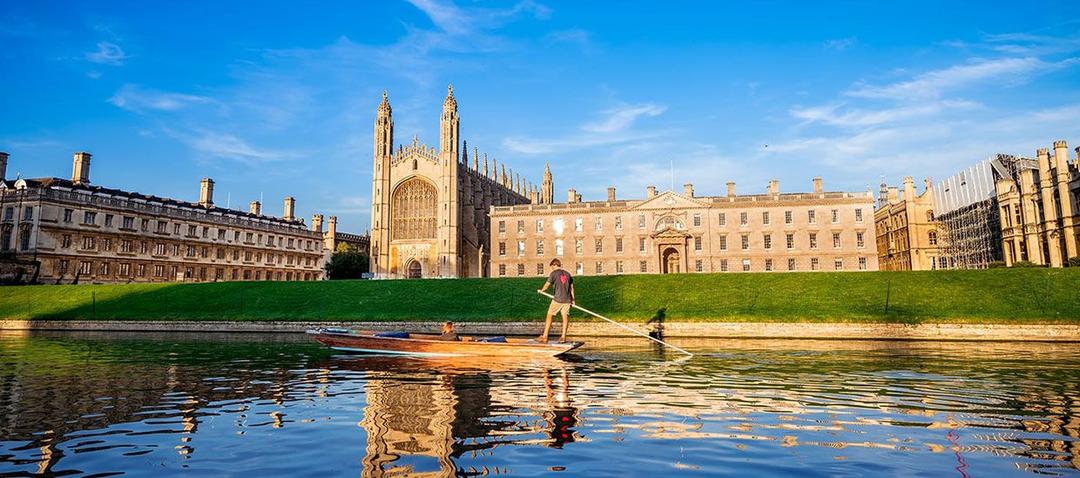
Quick Answer: Cambridge offers world-leading prestige and research excellence but comes with extremely high entry requirements and costs £50,000-£60,000 annually. Bristol provides excellent education at more accessible entry requirements for £22,000-£28,000, making it a strong choice for high-achieving students seeking quality without Cambridge's intense competition.
Introduction
Choosing between the University of Cambridge and University of Bristol represents a decision between two distinctly different educational experiences. Cambridge stands as one of the world's most prestigious institutions, consistently ranking in the global top 5, while Bristol offers exceptional education within a more accessible framework as a top-tier Russell Group university.
For international students in 2026-2027, this choice often comes down to balancing academic ambition with practical considerations. Cambridge's unparalleled reputation opens doors globally but demands exceptional academic credentials and substantial financial investment. Bristol, ranking consistently in the UK top 15, provides outstanding education with more realistic entry requirements and significantly lower costs.
Quick Comparison Table
| Factor | University of Cambridge | University of Bristol |
|---|---|---|
| Global Ranking (QS 2026) | Top 5 worldwide | Top 60 worldwide |
| UK Ranking | #1-2 | #13-17 |
| Annual Tuition | £50,000-£60,000+ | £22,000-£28,000 |
| Entry Requirements | AAA-AAA* | AAA-ABB |
| IELTS Requirement | 7.5+ overall | 6.5-7.0 overall |
| Acceptance Rate | ~20% | ~65% |
| Student Population | ~25,000 | ~28,000 |
| International Students | ~40% | ~25% |
| Notable Strengths | All subjects, research | Engineering, medicine, social sciences |
⚠️ Data Disclaimer: Fees, rankings, and requirements shown are approximate and based on 2026 data. Always verify current information on official university websites before making decisions.
Rankings & Reputation
Cambridge's Global Excellence The University of Cambridge consistently ranks among the world's top 3 universities, competing directly with Oxford and Harvard. In 2026, Cambridge typically holds the #2-5 position in QS World University Rankings and maintains #1 status in multiple subject areas including Mathematics, Physics, and English Literature. This reputation translates into immediate global recognition and unparalleled networking opportunities.
Cambridge's research impact is extraordinary, with faculty and graduates including over 120 Nobel Prize winners. The university's 800+ year history creates an academic brand that opens doors in any country or industry.
Bristol's Strong Standing Bristol ranks consistently within the UK top 15 and global top 60, placing it firmly among Britain's elite universities. The university particularly excels in Engineering (top 5 UK), Medicine (top 10 UK), and Social Policy research. Bristol's reputation has grown significantly over recent decades, now competing with traditional powerhouses like Edinburgh and King's College London.
For employers, a Bristol degree carries substantial weight, particularly in the UK market where it's recognized as a leading Russell Group institution with excellent graduate outcomes.
Tuition Fees & Costs
Cambridge's Premium Pricing Cambridge charges among the highest fees for international students in the UK, typically ranging from £50,000-£60,000+ per year in 2026-2027. Clinical medicine and veterinary courses can exceed £65,000 annually. The prestigious colleges also charge additional fees ranging from £10,000-£15,000 for accommodation and college services.
Living costs in Cambridge city are substantial, with students typically spending £15,000-£18,000 annually on accommodation, food, and personal expenses. The total annual cost often exceeds £75,000 for international students.
Bristol's More Accessible Costs Bristol's international tuition fees range from £22,000-£28,000 annually, making it significantly more affordable while still providing Russell Group education. Clinical subjects typically cost £35,000-£40,000, still substantially less than Cambridge equivalents.
Bristol's living costs are more manageable, with students spending approximately £12,000-£15,000 annually. The total yearly investment typically ranges from £35,000-£45,000, making quality education more financially accessible.
Entry Requirements
Cambridge's Exceptional Standards Cambridge demands exceptional academic credentials, typically requiring AAA to AAA* at A-Level, with many courses expecting A* grades in relevant subjects. International students need IELTS 7.5+ overall with no component below 7.0, and many programmes require additional admissions tests and interviews.
The university's acceptance rate of approximately 20% reflects its selectivity. Successful applicants often demonstrate exceptional academic achievement, research experience, and personal statements showing genuine intellectual curiosity.
Bristol's Competitive but Achievable Standards Bristol typically requires AAA-ABB at A-Level, varying by programme. Popular courses like Medicine and Engineering demand AAA with specific subject requirements, while other programmes may accept ABB. IELTS requirements range from 6.5-7.0 overall, depending on the course.
With an acceptance rate around 65%, Bristol remains competitive but more accessible to high-achieving international students who may not meet Cambridge's exceptional standards.
Location & Student Life
Cambridge's Historic Charm Cambridge offers a quintessentially English university experience within a compact, historic city. The collegiate system creates tight-knit communities where students live, dine, and study together. This system provides excellent support networks but can feel insular to some international students.
The city revolves around the university, creating an intense academic atmosphere that some find inspiring while others may find overwhelming. Transport links to London are excellent, with regular trains taking under an hour.
Bristol's Urban Vibrancy Bristol provides a dynamic urban experience as the UK's "coolest city" according to various surveys. The diverse cultural scene includes excellent music venues, street art, and a thriving food scene that appeals to international students seeking broader experiences beyond academia.
The city offers strong employment opportunities for graduates, particularly in aerospace, media, and technology sectors. Bristol's location provides easy access to London, Wales, and Southwest England's natural attractions.
Courses & Specializations
Cambridge's Universal Excellence Cambridge excels across virtually all academic disciplines, with particular strengths in:
- Natural Sciences and Mathematics
- Engineering and Technology
- Medicine and Veterinary Science
- English Literature and History
- Economics and Social Sciences
The university's tutorial system provides intensive one-on-one or small group teaching that's unmatched globally. Research opportunities are exceptional across all departments.
Bristol's Focused Strengths Bristol has developed particular expertise in:
- Aerospace Engineering (#1 UK)
- Civil Engineering (top 5 UK)
- Medicine and Dentistry
- Social Policy and Social Work
- Psychology and Neuroscience
- Film and Television Production
The university's strong industry connections, particularly in engineering and media, provide excellent placement and career opportunities.
Graduate Outcomes
Cambridge's Career Premium Cambridge graduates enjoy exceptional career prospects, with starting salaries typically ranging from £35,000-£50,000+ in the UK market. The university's alumni network spans every industry globally, providing unparalleled networking opportunities. Graduate employment rates consistently exceed 95%, with many pursuing further study at world-leading institutions.
International opportunities are exceptional, with Cambridge graduates highly sought after by global employers, investment banks, consulting firms, and research institutions.
Bristol's Strong Prospects Bristol graduates achieve excellent outcomes, with starting salaries typically ranging from £25,000-£35,000. The university's strong industry connections result in employment rates around 90-95%, with particular strength in engineering, healthcare, and media sectors.
Bristol's growing reputation means international opportunities are expanding, though they may not match Cambridge's global reach.
Scholarships & Financial Support
Cambridge's Generous but Competitive Aid Cambridge offers substantial scholarships for international students, including:
- Gates Cambridge Scholarships (full funding)
- Cambridge Trust Scholarships (partial to full funding)
- College-specific awards
- Subject-specific scholarships
However, competition is intense, and many international students receive limited financial assistance despite the university's substantial endowment.
Bristol's Accessible Support Bristol provides various international scholarships:
- Vice-Chancellor's International Scholarships
- Think Big Scholarships (up to £26,000)
- Faculty-specific awards
- Country-specific scholarships
While awards may be smaller in absolute terms, they can represent significant proportions of Bristol's lower fees, making education more accessible.
Campus & Facilities
Cambridge's Collegiate Grandeur Cambridge's 31 colleges create a unique educational environment with historic buildings, beautiful courtyards, and centuries of tradition. World-class facilities include the Cavendish Laboratory, extensive libraries, and cutting-edge research centers. However, some facilities show their age, and the collegiate system can limit facility access.
Bristol's Modern Excellence Bristol has invested heavily in modern facilities, including state-of-the-art engineering buildings, a new Life Sciences building, and excellent sports facilities. The campus combines historic and contemporary architecture in an integrated urban setting, providing excellent accessibility and modern amenities.
University of Cambridge - Pros & Cons
Pros: ✅ World's top 5 ranking and global recognition, ✅ Unparalleled research opportunities and resources, ✅ Exceptional graduate career prospects, ✅ Historic collegiate system and traditions, ✅ Outstanding faculty and academic excellence, ✅ Strong alumni network worldwide
Cons: ❌ Extremely high tuition and living costs (£75,000+ annually), ❌ Highly competitive and stressful environment, ❌ Very difficult entry requirements, ❌ Limited diversity in some colleges, ❌ Intense academic pressure, ❌ May feel elitist to some students
University of Bristol - Pros & Cons
Pros: ✅ Excellent education at more affordable costs, ✅ Strong industry connections and placement opportunities, ✅ Vibrant city life and cultural diversity, ✅ More accessible entry requirements, ✅ Modern facilities and campus, ✅ Good work-life balance for students, ✅ Growing international reputation
Cons: ❌ Lower global ranking and recognition than Cambridge, ❌ Fewer international opportunities initially, ❌ Less prestigious alumni network, ❌ Limited availability in some specialized subjects, ❌ Smaller endowment affecting research funding, ❌ May not open doors as readily as Cambridge degree
Which One is Right for You?
Choose Cambridge if you:
- Have exceptional academic credentials (AAA+ grades)
- Can afford £75,000+ annually or secure substantial scholarships
- Thrive in highly competitive, intensive academic environments
- Want maximum global recognition and career opportunities
- Value traditional collegiate education and historic prestige
- Are considering careers in academia, research, or elite professions
Choose Bristol if you:
- Achieve strong but not exceptional grades (AAA-ABB)
- Prefer more affordable quality education (£35,000-£45,000 annually)
- Want excellent education without extreme pressure
- Value work-life balance and diverse city experiences
- Are interested in practical, industry-connected programmes
- Seek quality Russell Group education at realistic entry requirements
You can explore all UK universities to compare additional options that might suit your specific needs and circumstances.
Conclusion
The choice between Cambridge and Bristol ultimately depends on your academic profile, financial situation, and personal preferences. Cambridge offers unmatched prestige and opportunities but demands exceptional credentials and substantial investment. Bristol provides excellent education within a more accessible framework, making it ideal for ambitious students seeking quality without Cambridge's intensity. Both universities offer pathways to successful careers, but through different routes suited to different types of students.
Key Statistics
📊 Cambridge costs £75,000+ annually vs Bristol's £35,000-£45,000 total yearly investment
📊 Cambridge acceptance rate ~20% vs Bristol's more accessible ~65%
📊 Cambridge ranks top 5 globally while Bristol holds strong top 60 position
📊 Cambridge graduates earn £35,000-£50,000+ starting salaries vs Bristol's £25,000-£35,000
Frequently Asked Questions
Is Cambridge worth the extra cost compared to Bristol?
Cambridge's premium cost (£75,000+ annually) versus Bristol's £35,000-£45,000 depends on your career goals and financial situation. Cambridge offers unparalleled global recognition and networking opportunities that can justify the investment for careers in academia, research, or elite professions. However, Bristol provides excellent Russell Group education with strong graduate outcomes at a much more accessible price point. Consider your intended career path and financial constraints when making this decision.
Which university is easier to get into for international students?
Bristol is significantly more accessible with an acceptance rate around 65% and entry requirements of AAA-ABB, compared to Cambridge's ~20% acceptance rate requiring AAA-AAA*. Bristol typically requires IELTS 6.5-7.0 while Cambridge demands 7.5+. However, both are competitive - Bristol attracts many high-achieving students who use it as their firm choice rather than a backup option.
What are the main differences in student life between Cambridge and Bristol?
Cambridge offers a traditional collegiate experience with formal dinners, historic buildings, and intense academic focus in a small university city. Bristol provides modern urban student life in a vibrant city with excellent nightlife, cultural diversity, and better work-life balance. Cambridge can feel more insular and academic-focused, while Bristol offers broader life experiences beyond studies.
Which university is better for engineering students?
Both excel in engineering but differently: Cambridge offers world-leading research opportunities and theoretical excellence across all engineering disciplines, while Bristol specializes in Aerospace Engineering (#1 UK) and Civil Engineering (top 5 UK) with strong industry connections. Cambridge provides more prestige and research opportunities, while Bristol offers practical, industry-focused training with excellent placement programs.
How do graduate career prospects compare between the two universities?
Cambridge graduates typically start at £35,000-£50,000+ with exceptional international opportunities and access to elite careers in consulting, investment banking, and academia. Bristol graduates earn £25,000-£35,000 starting salaries with strong prospects, particularly in engineering, healthcare, and media. Cambridge's global alumni network provides unmatched networking advantages, while Bristol offers solid regional and national career opportunities.
Which university offers better scholarships for international students?
Cambridge offers larger scholarship amounts through Gates Cambridge and Cambridge Trust programs, potentially covering full costs, but competition is extremely intense. Bristol's scholarships like Think Big (up to £26,000) and Vice-Chancellor's awards may be smaller in absolute terms but can cover significant portions of the lower fees, making them more accessible to a broader range of students.
Key Takeaways
✅ Cambridge offers world-class prestige but costs £75,000+ annually vs Bristol's £35,000-£45,000
✅ Bristol provides more accessible entry requirements (AAA-ABB) compared to Cambridge's AAA+ demands
✅ Both are excellent choices - Cambridge for maximum prestige, Bristol for quality education without extreme competition
✅ Consider your career goals, academic profile, and financial situation when choosing between these Russell Group universities