




University of Cambridge vs University of Birmingham: Which is Better for International Students 2026?
— 10 min read read

CourseOptions Team
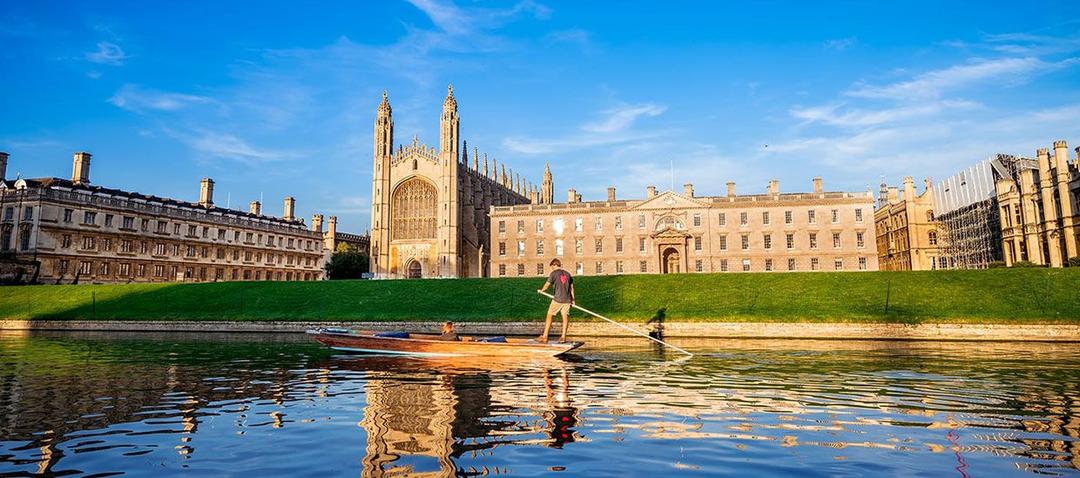
Quick Answer: Cambridge ranks significantly higher globally (top 5 vs top 100) but costs £35,000-£60,000 vs Birmingham's £20,000-£35,000. Cambridge offers prestige and elite networking but has extremely competitive entry requirements, while Birmingham provides excellent value, diverse programmes, and more accessible admission standards for international students.
Introduction
Choosing between the University of Cambridge and University of Birmingham presents international students with a classic dilemma: prestige versus value. Cambridge, one of the world's oldest and most prestigious universities, offers unparalleled academic reputation and networking opportunities. Birmingham, a leading Russell Group institution, provides excellent education at more accessible entry requirements and costs.
Both universities offer world-class education, but they cater to different student profiles and career aspirations. Understanding these differences is crucial for making an informed decision about your UK study destination.
Quick Comparison Table
| Factor | University of Cambridge | University of Birmingham |
|---|---|---|
| Global Ranking | Top 5 worldwide | Top 100 worldwide |
| Annual Tuition | £35,000-£60,000 | £20,000-£35,000 |
| Entry Requirements | AAA-A*AA + exceptional profile | AAB-AAA typical |
| IELTS Requirement | 7.5 overall (min 7.0 each) | 6.5-7.0 depending on programme |
| Student Population | ~12,000 (25% international) | ~35,000 (30% international) |
| Notable Strengths | Mathematics, Natural Sciences, Law | Medicine, Engineering, Business |
| Campus Style | Historic collegiate system | Modern integrated campus |
| Location | Small historic city | Major metropolitan area |
⚠️ Data Disclaimer: Fees, rankings, and requirements shown are approximate and based on 2026 data. Always verify current information on official university websites before making decisions.
Rankings & Reputation
University of Cambridge consistently ranks among the world's top 5 universities, typically placing 2nd-5th in major global rankings. The Times Higher Education and QS World University Rankings regularly position Cambridge at the pinnacle of academic excellence. Subject-wise, Cambridge dominates in Mathematics, Natural Sciences, Engineering, and Economics, with many departments ranking #1 globally.
University of Birmingham maintains strong global positioning, usually ranking between 80-120 worldwide. While not matching Cambridge's elite status, Birmingham excels in specific areas, particularly ranking highly for Medicine (#20-30 globally), Dentistry, Sports Science, and Education. The university's reputation has grown significantly, especially in professional fields.
For international students, Cambridge's brand recognition opens doors globally, while Birmingham offers excellent academic quality with broader accessibility.
Tuition Fees & Costs
University of Cambridge represents a significant financial investment, with international tuition fees ranging from £35,000-£60,000 annually for 2026-2027. Medicine and Veterinary courses typically reach the higher end, while humanities subjects start around £35,000. Additionally, college fees add £8,000-£12,000 per year. Living costs in Cambridge are substantial, with students typically spending £12,000-£16,000 annually.
University of Birmingham offers more affordable education, with international fees typically ranging from £20,000-£35,000 per year. Most undergraduate programmes fall within £22,000-£28,000, making it significantly more budget-friendly. Birmingham's living costs are approximately 20-30% lower than Cambridge, with students spending around £9,000-£12,000 annually on accommodation and living expenses.
The total cost difference over a three-year degree can exceed £100,000, making Birmingham substantially more accessible for international families.
Entry Requirements
University of Cambridge maintains extremely competitive entry standards, typically requiring AAA to AAA at A-Level, with many courses demanding AA*A. International students need exceptional academic records, often requiring 95%+ in national qualifications. IELTS requirements are stringent at 7.5 overall with minimum 7.0 in each component. Beyond grades, Cambridge seeks evidence of exceptional intellectual curiosity, leadership, and subject passion through interviews, admissions tests, and extensive personal statements.
University of Birmingham offers more accessible entry requirements, typically accepting AAB-AAA grades, with some programmes accepting ABB. IELTS requirements range from 6.5-7.0 depending on the programme, with most courses requiring 6.5 overall. While still competitive, Birmingham focuses more on academic potential rather than exceptional achievements, making it more attainable for strong international students.
Location & Student Life
Cambridge offers a unique small-city experience steeped in 800 years of academic tradition. The collegiate system creates intimate communities within the larger university, fostering lifelong connections. The city revolves around the university, creating an intense academic atmosphere. However, the historic setting means higher living costs and limited part-time work opportunities. The collegiate system provides extensive support but can feel exclusive to some international students.
Birmingham, England's second-largest city, provides vibrant metropolitan life with diverse cultural opportunities, extensive shopping, dining, and entertainment. The integrated campus creates a strong university community while offering easy access to internships, part-time work, and professional networking in various industries. Birmingham's central location provides excellent transport links across the UK and Europe, making travel more accessible and affordable.
Courses & Specializations
University of Cambridge excels across traditional academic disciplines, particularly renowned for:
- Natural Sciences (Physics, Chemistry, Biology)
- Mathematics and Computer Science
- Engineering
- Medicine
- Law and Economics
- English Literature and History
Cambridge's tutorial system and small group supervisions provide intensive academic engagement. However, course options are more limited, with emphasis on depth over breadth.
University of Birmingham offers broader programme diversity, excelling in:
- Medicine and Dentistry
- Engineering and Physical Sciences
- Business and Management
- Education and Social Sciences
- Sports and Exercise Science
- Psychology
Birmingham provides more flexibility in course combinations and offers extensive professional programmes. Students can browse available courses to explore the full range of options at both institutions.
Graduate Outcomes
University of Cambridge graduates enjoy exceptional career prospects, with 95%+ employment rates within six months. Average starting salaries typically range from £35,000-£45,000, with finance and consulting graduates often earning £50,000+. The Cambridge brand opens doors to elite global employers, investment banks, consulting firms, and top graduate programmes.
University of Birmingham maintains strong graduate outcomes, with 85-90% employment rates and starting salaries averaging £25,000-£35,000. The university's strong industry connections, particularly in the Midlands region, provide excellent placement and internship opportunities. Birmingham's diverse programme offerings mean graduates enter various sectors with practical skills valued by employers.
Scholarships & Financial Support
University of Cambridge offers limited but generous international scholarships, including the prestigious Gates Cambridge Scholarship covering full costs for outstanding students. College-specific bursaries and subject scholarships are available but highly competitive. Most students rely on family funding or external scholarships.
University of Birmingham provides more accessible scholarship opportunities, including automatic scholarships for high-achieving international students, country-specific awards, and subject-based funding. The university's lower base costs combined with more available financial support makes it financially accessible to a broader range of international students.
Campus & Facilities
University of Cambridge features historic colleges dating back centuries, each with unique character, dining halls, libraries, and accommodation. The collegiate system provides intimate learning environments but facilities vary significantly between colleges. Some buildings require significant travel between lectures and accommodations.
University of Birmingham boasts a modern, integrated campus with state-of-the-art facilities including the £60 million Collaborative Teaching Laboratory, new Sports Centre, and extensive library resources. All facilities are within walking distance, creating convenience for students. The campus combines historic architecture with modern learning spaces.
Cambridge - Pros & Cons
Pros: ✅ World's top-5 ranking and prestige, ✅ Exceptional graduate opportunities, ✅ Elite global network, ✅ Tutorial system with intensive supervision, ✅ Historic collegiate experience, ✅ Leading research opportunities
Cons: ❌ Extremely competitive entry requirements, ❌ Very high costs (£50,000+ annually), ❌ Intense academic pressure, ❌ Limited course flexibility, ❌ Expensive living costs, ❌ Can feel elitist or exclusive
Birmingham - Pros & Cons
Pros: ✅ More affordable tuition and living costs, ✅ Accessible entry requirements, ✅ Diverse programme offerings, ✅ Strong industry connections, ✅ Vibrant city life, ✅ Modern facilities and campus, ✅ More scholarship opportunities
Cons: ❌ Lower global ranking and prestige, ❌ Less elite career networking, ❌ Moderate graduate salary prospects, ❌ Not as internationally recognized, ❌ Large student population may feel impersonal
Which One is Right for You?
Choose Cambridge if you:
- Have exceptional academic credentials and can meet stringent entry requirements
- Can afford £200,000+ total degree costs
- Prioritize maximum prestige and global recognition
- Thrive in highly competitive, intensive academic environments
- Seek access to elite career opportunities in finance, law, or academia
- Value traditional collegiate experiences and historic settings
Choose Birmingham if you:
- Seek excellent education at more reasonable costs
- Want broader programme choice and flexibility
- Prefer vibrant city life with diverse opportunities
- Value practical career preparation and industry connections
- Need more accessible entry requirements while maintaining quality
- Prioritize modern facilities and integrated campus life
Conclusion
Both universities offer excellent education but serve different student needs. Cambridge provides unmatched prestige and academic intensity for exceptional students with substantial resources. Birmingham delivers outstanding value, accessibility, and practical career preparation in a dynamic urban setting. Consider your academic profile, financial capacity, and career goals when making this important decision. Remember to verify all requirements and fees directly with each university before applying.
Key Statistics
📊 Cambridge ranks top 5 globally vs Birmingham's top 100 position
📊 Cambridge costs £35,000-£60,000 annually vs Birmingham's £20,000-£35,000
📊 Cambridge graduates earn £35,000-£45,000 starting salaries vs Birmingham's £25,000-£35,000
📊 Cambridge has 12,000 students (25% international) vs Birmingham's 35,000 (30% international)
Frequently Asked Questions
Is Cambridge worth the extra cost compared to Birmingham?
Cambridge's higher cost (potentially £100,000+ more over three years) may be justified if you can access elite career opportunities in finance, consulting, or academia where the Cambridge brand significantly impacts earning potential. However, Birmingham offers excellent value with strong graduate outcomes at much lower costs, making it more accessible for most international families.
Which university has better entry requirements for international students?
Birmingham has more accessible entry requirements, typically accepting AAB-AAA grades with IELTS 6.5-7.0, while Cambridge demands AAA-A*AA with IELTS 7.5 plus exceptional achievements beyond grades. Birmingham focuses on academic potential, while Cambridge seeks exceptional intellectual ability and achievements.
How do job prospects compare between Cambridge and Birmingham graduates?
Cambridge graduates enjoy 95%+ employment rates with starting salaries of £35,000-£45,000, often accessing elite employers in finance and consulting. Birmingham graduates have 85-90% employment rates with £25,000-£35,000 starting salaries, with strong industry connections particularly in the Midlands region. Both provide good career prospects, but Cambridge opens more elite opportunities.
Which location is better for international students?
Cambridge offers a unique historic small-city experience with intensive academic focus, but higher living costs and limited diversity. Birmingham provides vibrant metropolitan life with diverse cultural opportunities, lower living costs, better transport links, and more part-time work opportunities. Birmingham's urban setting may feel more familiar to students from major cities.
Are scholarships easier to get at Birmingham or Cambridge?
Birmingham offers more accessible scholarship opportunities with automatic scholarships for high achievers, country-specific awards, and subject-based funding. Cambridge provides fewer but more generous scholarships like Gates Cambridge, which are extremely competitive. Birmingham's combination of lower base costs and more available financial aid makes it more financially accessible.
Which university offers better support for international students?
Both universities provide dedicated international student support, but in different ways. Cambridge's collegiate system offers intimate communities and personal tutors, though it can feel exclusive. Birmingham's larger international community (30% vs 25%) and urban location provide more diverse support networks and practical assistance with city living.
Key Takeaways
✅ Cambridge offers top-5 global prestige but requires exceptional credentials and £200,000+ investment
✅ Birmingham provides excellent Russell Group education at half the cost with more accessible entry requirements
✅ Cambridge excels in traditional academic disciplines while Birmingham offers broader programme diversity
✅ Both are excellent choices - Cambridge for elite career aspirations, Birmingham for practical value and accessibility