




University of Oxford vs University of Cambridge: Which is Better for International Students 2026?
— 12 min read read

CourseOptions Team
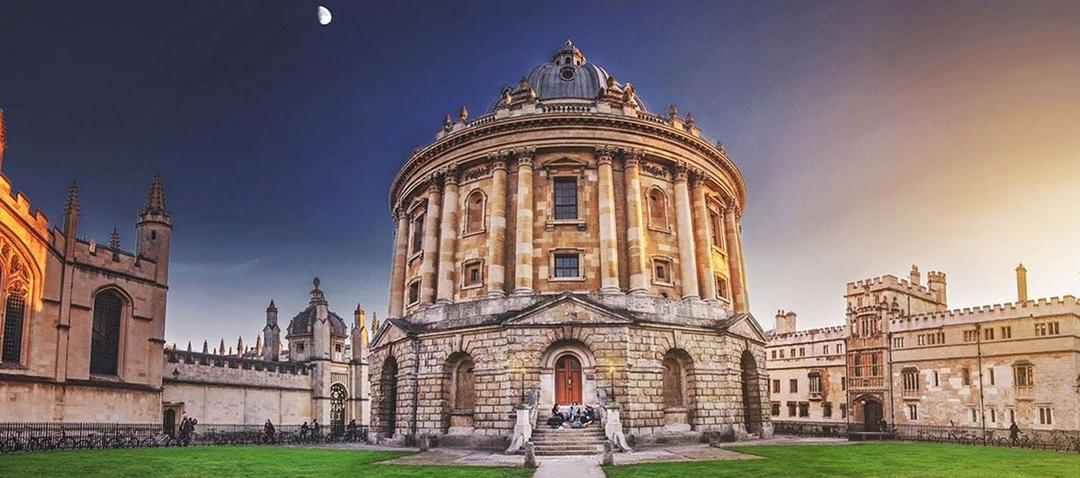
Quick Answer: Both Oxford and Cambridge are world-class institutions with similar prestige and academic excellence. Oxford tends to be slightly more diverse and internationally-focused, while Cambridge often leads in STEM fields and research output. Your choice should depend on specific course offerings, college culture preferences, and whether you prefer Oxford's bustling city atmosphere or Cambridge's more compact university town feel.
For centuries, the University of Oxford and University of Cambridge have stood as the pinnacle of British higher education, collectively known as "Oxbridge." These ancient institutions continue to attract the brightest minds from around the world, consistently ranking among the top universities globally. For international students in 2026, choosing between these two academic powerhouses represents one of the most prestigious decisions in higher education.
Both universities operate under the unique collegiate system, combining university-wide resources with intimate college communities. This creates an unparalleled educational experience that blends world-class academics with rich traditions dating back over 800 years. However, subtle differences in culture, academic focus, and student experience can make one more suitable than the other depending on your goals and preferences.
Quick Comparison Table
| Factor | University of Oxford | University of Cambridge |
|---|---|---|
| Global Ranking (QS 2026) | Top 5 worldwide | Top 5 worldwide |
| Annual Tuition | £28,000-£44,000 | £27,000-£43,000 |
| Entry Requirements | AAA-A*AA typically | AAA-A*AA typically |
| IELTS Requirement | 7.0-7.5 overall | 7.0-7.5 overall |
| International Students | ~45% of total | ~42% of total |
| Notable Strengths | Humanities, PPE, Medicine | STEM, Engineering, Natural Sciences |
| Student Population | ~24,000 | ~23,000 |
| Colleges | 39 colleges | 31 colleges |
⚠️ Data Disclaimer: Fees, rankings, and requirements shown are approximate and based on 2026 data. Always verify current information on official university websites before making decisions.
Rankings & Reputation
University of Oxford typically maintains its position as one of the top 3-5 universities globally across major ranking systems. In 2026, Oxford particularly excels in humanities subjects, with Philosophy, Politics & Economics (PPE), English Literature, and History consistently ranking #1 worldwide. The university's medical school also maintains exceptional global rankings, often competing with Cambridge for the top spot in the UK.
University of Cambridge similarly holds top 5 global positions and often edges ahead in STEM fields. Cambridge frequently outranks Oxford in Engineering, Natural Sciences, Mathematics, and Computer Science. The university's research output per academic is typically higher than Oxford's, contributing to its strong performance in research-focused rankings like Times Higher Education.
Both institutions carry virtually identical prestige internationally, with employers and graduate schools viewing degrees from either university as equally impressive. The choice between them rarely impacts career prospects, making academic fit more important than marginal ranking differences.
Tuition Fees & Costs
Oxford's fees for international students in 2026-2027 typically range from £28,000-£44,000 annually, depending on the course. Humanities subjects generally fall in the £28,000-£32,000 range, while medicine and sciences can reach £44,000. Living costs in Oxford typically add £12,000-£18,000 per year, with college accommodation and meal plans varying significantly.
Cambridge's fees are marginally lower, ranging from £27,000-£43,000 annually for international students. The fee structure is similar, with laboratory-based subjects commanding higher fees. Cambridge's location generally offers slightly lower living costs than Oxford, potentially saving £1,000-£2,000 annually on accommodation and daily expenses.
Both universities offer need-based financial aid for international students, though funding is highly competitive. Cambridge's international scholarship programs tend to be slightly more generous, while Oxford offers more diverse funding sources through its extensive alumni network.
Entry Requirements
Oxford's entry requirements typically demand AAA to A*AA at A-Level, with specific subject requirements varying by course. International qualifications like the International Baccalaureate typically require 38-40 points overall. IELTS requirements usually range from 7.0-7.5 overall, with most courses requiring 7.5. Oxford's interview process is famously rigorous, with acceptance rates around 18-20% for international applicants.
Cambridge's requirements are similarly demanding, with most courses requiring AAA or equivalent international qualifications. IB students typically need 40-42 points, slightly higher than Oxford's requirements. Cambridge's interview process focuses heavily on academic potential and subject-specific knowledge, with international acceptance rates around 15-18%.
Both universities require additional admissions tests for many subjects, with Oxford using MAT (Mathematics), BMAT (Medicine), and HAT (History), while Cambridge employs subject-specific assessments like STEP (Mathematics) and pre-interview written assessments.
Location & Student Life
Oxford offers the experience of studying in a vibrant, bustling city with a population of around 150,000. The city seamlessly blends ancient university buildings with modern urban amenities, providing excellent shopping, dining, and cultural opportunities. London is easily accessible by train in under an hour, offering weekend opportunities for internships and cultural experiences. The city's diverse economy means more part-time work opportunities for students.
Cambridge provides a more intimate university town experience, with the university forming the heart of a smaller city (population ~130,000). This creates a more concentrated academic atmosphere where "town and gown" are closely integrated. The city is more compact and easily navigable by bicycle, fostering a strong sense of community. London is accessible but requires a slightly longer journey (90 minutes by train).
Both cities offer rich cultural scenes, though Oxford's is more diverse due to its larger size and proximity to London. Cambridge's culture is more university-centric, creating an intensely academic environment that some students find more immersive.
Courses & Specializations
Oxford traditionally excels in humanities and social sciences, offering world-renowned programs in Philosophy, Politics & Economics (PPE), English Literature, History, and Modern Languages. The university's medical school is among the world's best, and its business school (Saïd) offers excellent MBA programs. Oxford's tutorial system provides exceptionally personalized education, with weekly one-on-one or small group sessions with leading academics.
Cambridge is particularly strong in STEM fields, mathematics, engineering, and natural sciences. The university produced more Nobel Prize winners than any other institution and maintains cutting-edge research facilities. Cambridge's engineering department is consistently ranked #1 globally, while its computer science program has produced numerous tech industry leaders. The university's supervision system, similar to Oxford's tutorials, ensures close academic mentoring.
Both universities offer exceptional flexibility within their degree programs, allowing students to explore interdisciplinary interests. When you browse available courses, you'll find both institutions offer similar breadth, though their specific strengths may influence your decision based on your academic interests.
Graduate Outcomes
Oxford graduates typically achieve exceptional employment outcomes, with over 95% employed or in further study within six months of graduation. Starting salaries for international graduates often range from £35,000-£60,000, with significant variation by field. Oxford's extensive alumni network, particularly strong in politics, media, and finance, provides excellent networking opportunities globally.
Cambridge graduates enjoy similarly excellent prospects, with employment rates consistently above 95%. Starting salaries tend to be slightly higher on average, particularly for STEM graduates, often ranging from £38,000-£65,000. Cambridge's strength in technology and engineering translates to strong connections with leading tech companies and research institutions.
Both universities provide excellent preparation for graduate school admissions worldwide, with high acceptance rates to top PhD programs and professional schools. The choice between them rarely impacts graduate outcomes, making program fit more important than marginal career advantage differences.
Scholarships & Financial Support
Oxford offers various international scholarships including the Rhodes Scholarship, Clarendon Fund, and college-specific awards. The university typically allocates around £8-10 million annually for international undergraduate support, though competition is intense. Need-based aid can cover up to full tuition and living costs for exceptional candidates from developing countries.
Cambridge provides competitive international funding through the Cambridge International Scholarship Scheme and Gates Cambridge Scholarship. The university's financial aid tends to be slightly more generous per capita, with around £12-15 million allocated annually for international students. The collegiate system also offers additional funding sources through individual college endowments.
Both institutions encourage early scholarship applications, as most international funding is awarded before final admissions decisions. Students should apply for external scholarships from their home countries or international organizations to supplement university funding.
Campus & Facilities
Oxford's 39 colleges are spread throughout the city, each offering unique architectural styles and traditions. The Bodleian Library system is one of the world's finest, with over 13 million books and manuscripts. Modern facilities include the Mathematical Institute and the new Beecroft Building for physics research. The collegiate system creates distinct communities within the larger university, each with its own dining halls, libraries, and social spaces.
Cambridge's 31 colleges similarly offer diverse architectural experiences, from the medieval charm of King's College to the modern design of Robinson College. The university library system rivals Oxford's in scope and quality. Cambridge's scientific facilities are world-class, including the Cavendish Laboratory for physics and advanced engineering facilities. The city's compact nature means easier access between college and department facilities.
Both universities invest heavily in modern research facilities while preserving their historic character. Sports facilities, career services, and student support systems are comparable, with both offering world-class resources for academic and personal development.
Oxford - Pros & Cons
Pros: ✅ Stronger in humanities and social sciences, ✅ More diverse city environment, ✅ Better access to London and internships, ✅ Larger international student community, ✅ More varied college options (39 vs 31), ✅ Strong alumni network in politics and media
Cons: ❌ Higher cost of living, ❌ More competitive urban environment, ❌ Less concentrated academic community, ❌ Slightly lower research output per academic, ❌ More tourists and distractions, ❌ Higher accommodation costs
Cambridge - Pros & Cons
Pros: ✅ Leading in STEM and research, ✅ More intimate university town atmosphere, ✅ Lower living costs, ✅ Stronger focus on academic community, ✅ Better bicycle-friendly environment, ✅ Higher research output and funding per capita
Cons: ❌ Less diverse non-academic opportunities, ❌ More isolated from major cities, ❌ Fewer part-time work opportunities, ❌ More intense academic pressure, ❌ Less cultural diversity in surrounding area, ❌ Fewer college choices
Which One is Right for You?
Choose Oxford if you:
- Want to study humanities, social sciences, or politics
- Prefer a vibrant city environment with diverse opportunities
- Value easy access to London for internships and cultural experiences
- Enjoy a more cosmopolitan, internationally diverse atmosphere
- Want access to a broader range of extracurricular activities
- Prefer the energy and resources of a larger city
Choose Cambridge if you:
- Plan to study STEM fields, mathematics, or natural sciences
- Prefer an intimate, academically-focused environment
- Want lower living costs and expenses
- Thrive in close-knit academic communities
- Prefer a quieter, more traditional university experience
- Value the strongest possible research environment and facilities
Consider both equally if:
- You're studying medicine, law, or economics (both excellent)
- Prestige and global recognition are your primary concerns
- You're flexible about location and environment
- You have specific college preferences that trump university choice
Conclusion
The choice between Oxford and Cambridge ultimately depends more on personal fit than objective superiority—both institutions offer world-class education and virtually identical prestige. Oxford's urban energy and humanities strength contrast with Cambridge's academic intimacy and STEM excellence. Consider your subject interests, preferred environment, and financial situation carefully, as both universities will provide an exceptional foundation for your future career and academic pursuits. Visit both campuses if possible, as the "feel" of each institution often proves decisive for students choosing between these two remarkable universities.
Key Statistics
📊 Both universities consistently rank in the global top 5 across major ranking systems
📊 International student tuition ranges from £27,000-£44,000 annually depending on course
📊 Both maintain 95%+ graduate employment rates within six months of graduation
📊 Combined, Oxford and Cambridge have produced over 180 Nobel Prize winners
Frequently Asked Questions
Is Oxford or Cambridge harder to get into for international students?
Both universities are extremely competitive for international students, with acceptance rates around 15-20%. Cambridge tends to have slightly lower acceptance rates overall (15-18%) compared to Oxford (18-20%), but this varies significantly by subject. STEM subjects at Cambridge and humanities at Oxford tend to be the most competitive. Both require exceptional academic credentials, strong personal statements, and successful interview performance.
Which university offers better financial aid for international students?
Cambridge generally offers slightly more generous financial aid per capita, allocating around £12-15 million annually for international students compared to Oxford's £8-10 million. However, Oxford has more diverse funding sources through its extensive alumni network. Both universities offer need-based aid that can cover full tuition and living costs for exceptional candidates. Students should apply for external scholarships to supplement university funding, as competition for institutional aid is intense at both universities.
What are the main cultural differences between Oxford and Cambridge?
Oxford offers a more urban, cosmopolitan experience in a bustling city with diverse opportunities beyond academia. Students have easier access to London and more varied cultural and social activities. Cambridge provides a more intimate, academically-focused environment where the university dominates city life. The atmosphere is more traditional and concentrated, with stronger town-gown integration. Oxford tends to attract students who want city energy, while Cambridge appeals to those preferring a classic university town experience.
Which university is better for STEM subjects?
Cambridge generally has a stronger reputation in STEM fields, consistently ranking higher in engineering, natural sciences, mathematics, and computer science. The university's research output in these areas is exceptional, and it has produced more Nobel Prize winners in sciences. However, Oxford also offers world-class STEM programs and facilities. The choice should depend on specific subject interests and research opportunities rather than overall STEM reputation, as both provide excellent preparation for STEM careers.
How do living costs compare between Oxford and Cambridge?
Cambridge typically offers lower living costs, potentially saving students £1,000-£2,000 annually compared to Oxford. This includes accommodation, food, and daily expenses. Oxford's larger city environment means higher rent and living costs but also more opportunities for part-time work. Cambridge's compact size makes cycling the primary transportation, reducing costs further. Total annual living expenses typically range from £12,000-£18,000 in Oxford versus £11,000-£16,000 in Cambridge, though this varies significantly based on lifestyle choices.
Do employers prefer graduates from one university over the other?
Employers view degrees from Oxford and Cambridge as virtually equivalent in terms of prestige and quality. Both carry exceptional global recognition, and the choice between them rarely impacts career prospects. Some industries may have slight preferences—for example, tech companies might favor Cambridge's strong STEM reputation, while media and politics might lean toward Oxford—but these are marginal differences. Graduate outcomes, including employment rates and starting salaries, are remarkably similar between the two universities.
Key Takeaways
✅ Both Oxford and Cambridge offer virtually identical prestige and global recognition
✅ Oxford excels in humanities while Cambridge leads in STEM fields, though both offer world-class programs across disciplines
✅ Cambridge generally offers lower living costs and more generous financial aid per capita
✅ Your choice should prioritize academic fit, environment preference, and specific course offerings over marginal ranking differences